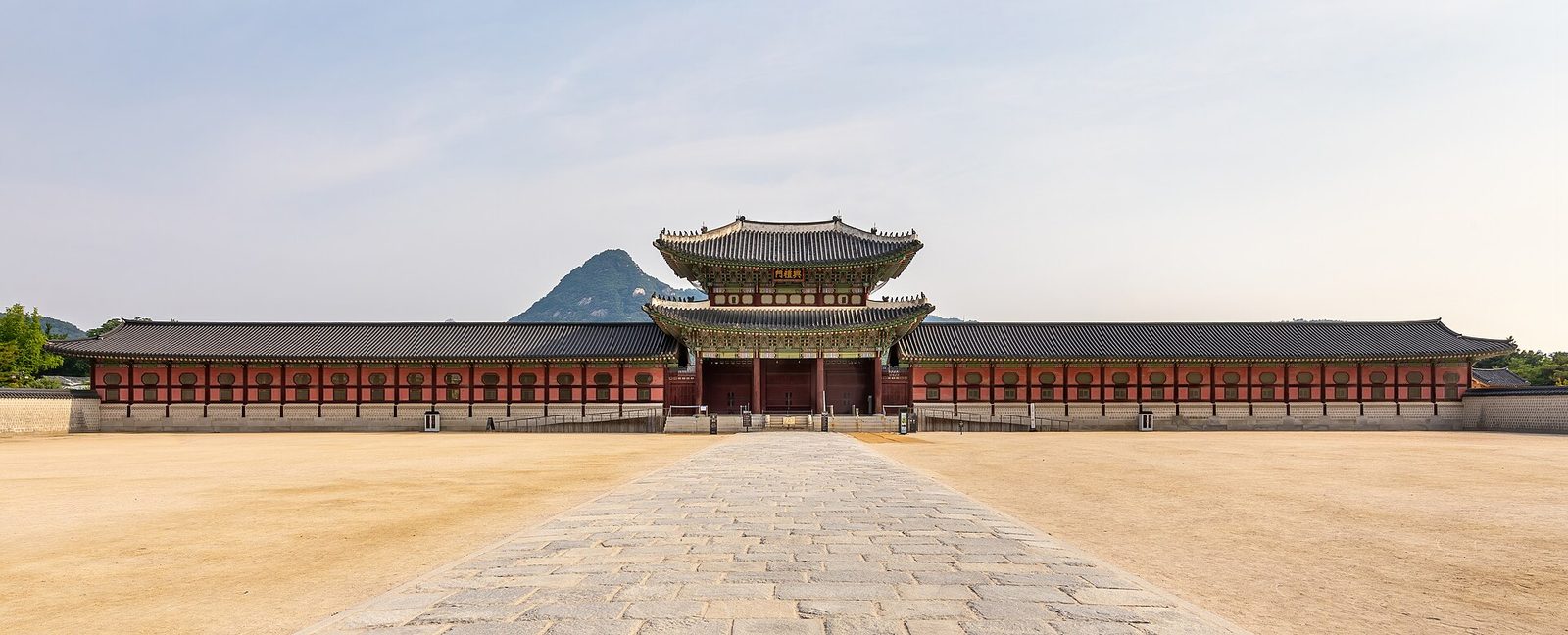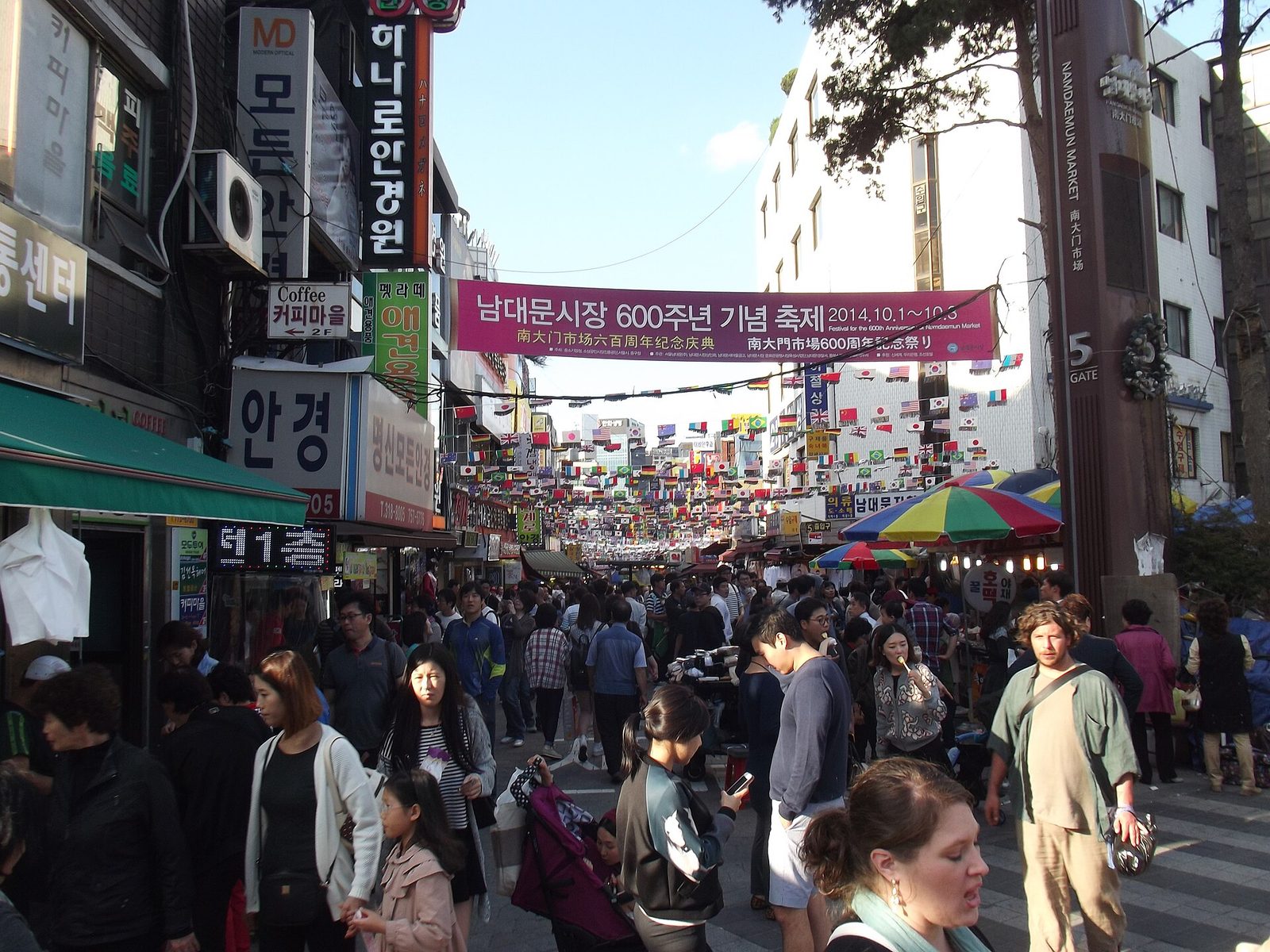
Planning a first trip to Korea can feel like a lot: visas and arrival cards, which cities to see, how the money and transport work, which apps to download. This page puts it all in order. Work through the steps below, follow the links you need, and you will arrive knowing exactly what to do. Everything here is written for first-time visitors, in plain English.
Step 1: choose when to go
Korea has four very different seasons. Spring (April) brings cherry blossoms, autumn (October to early November) brings clear skies and red leaves, summer is hot and rainy, and winter is cold, dry and bright, with skiing and lights. Spring and autumn are the most popular, so book early for them.
- Korea's seasons: weather and what to pack, plus our interactive packing list
- Cherry blossoms 2027 and autumn foliage
- Month by month: November, December, January, February
- What's on: our weekly festival calendar
- Big holidays to plan around: Seollal (Lunar New Year) and Christmas and New Year
Step 2: decide how long and where
Most first visits are one to two weeks. Seoul deserves at least three days; with a week you can add Gyeongju and Busan by fast train, and with ten days or more you can add Jeonju and Jeju.
- Not sure where to go? Take our which Korean city suits you quiz
- 3 days in Seoul or 5 days in Seoul
- 7 days in Korea: Seoul, Gyeongju and Busan
- 10 days to 2 weeks in Korea: adding Jeonju, Jeju and the east coast
- Day trips from Seoul, plus Busan, Gyeongju and Jeju plans
- Where to stay in Seoul
Step 3: check the entry rules
Many nationalities can visit Korea without a visa for a short stay, but you may need a K-ETA (an online travel authorisation) depending on your passport and travel dates, and every visitor fills in an arrival card, which can be done online before you fly. Rules change, so check them for your passport a few weeks before you travel.
Step 4: sort out money and budget
Cards are accepted almost everywhere, but a little cash helps at markets and street stalls. Not every ATM takes foreign cards, so it helps to know which ones do. Shopping can come with a tax refund.
- How much a trip to Korea costs, or work it out with our trip cost calculator
- Cash, cards and payments and using ATMs
- Tax-free shopping and refunds
Step 5: get your phone ready
You will want mobile data from the moment you land, for maps, translation and messaging. Before you fly, choose a SIM, eSIM or pocket Wi-Fi, and install the apps Koreans actually use: Google Maps directions are limited in Korea.
Step 6: arrive and get into the city
Most international flights land at Incheon, about an hour from central Seoul. The airport train and limousine buses are easy and cheap; taxis cost more but go door to door.
- Arriving in Korea: the first-day checklist
- Incheon Airport to Seoul: train, bus or taxi
- Your first evening in Seoul
Step 7: learn how to get around
Korea's public transport is cheap, clean and easy once you have a transit card. The subway covers most of Seoul and Busan, buses fill the gaps, and fast KTX trains link the big cities.
- Transit cards and T-money
- The Seoul subway and Seoul buses
- Free and discounted transfers
- Booking and riding the KTX
Step 8: eat well
Food is one of the best reasons to visit. A few words and a little know-how make ordering easy, even where the menu is only in Korean.
- How to order Korean food and how to read a Korean menu
- Korean barbecue and street food
- Dining etiquette and café menus
- Convenience stores, open all night
Step 9: know the little things
Korea is safe and easy to visit, and a few small habits help you fit in: sorting rubbish, quiet on the subway, taking your shoes off in some places.
- Common first-timer mistakes
- Learn to read Hangul (with a quiz and a memory game), useful Korean phrases and restaurant words
- Rubbish and recycling
- Korean bathhouses
Then: explore by place
When you know where you are going, our city guides cover what to see, where to eat, where to shop and where to stay: Seoul, Busan, Jeju, Gyeongju, Jeonju, Gangneung, Incheon and Sokcho. Or browse all our guides and watch our video guides.
FAQ
Do I need a visa to visit Korea?
Many nationalities can visit visa-free for a short stay, but some need a K-ETA and the rules change. Check our entry guide and the official sites for your passport.
How many days do I need in Korea?
A week is enough for a good first visit to Seoul plus one or two other places. Ten days to two weeks lets you add Jeju or Jeonju at a relaxed pace.
Is Korea easy for first-time visitors?
Yes. It is safe, transport is excellent, and English signs are common in cities. The main things to prepare are mobile data, a Korean map app and a transit card.