Travel
Korea's capital mixes royal palaces and hanok alleys with neon shopping streets, riverside parks and some of the best food in the country. An excellent subway network makes it easy to see a lot in a few days.
New to Seoul? Start with a 3-day itinerary, where to stay by neighbourhood and how to use the subway.
Most international flights land at Incheon Airport. The AREX train reaches Seoul Station in about an hour, and airport limousine buses stop near most big hotels. Flights from Japan and China also use Gimpo Airport, which is on the subway. See our guide to getting from Incheon Airport to Seoul.
Three days covers the palaces, a market, a hanok neighbourhood and one evening view. Five days lets you add a day trip, such as the DMZ, Suwon or Nami Island, and slow down in neighbourhoods like Seongsu or Yeonnam-dong.
The subway reaches almost everywhere, with signs and announcements in English. Get a T-money card at any convenience store, top it up with cash and tap in and out. Taxis are good value for short trips, especially at night, and Kakao T works for foreigners.
April and May, and late September to early November, are the most comfortable months. Summer is hot, humid and rainy; winter is cold and dry but bright, with fewer crowds and Christmas lights in December.
First-time visitors usually stay around Myeongdong or Jongno for sightseeing, Hongdae for nightlife and a younger feel, or Gangnam for business and shopping. Being close to a subway station matters more than the exact district.
Gyeongbokgung Palace and the Bukchon hanok streets next to it make the classic first morning; visitors wearing hanbok get into the palaces free. Changdeokgung's Secret Garden needs a guided-tour ticket, so book or arrive early. In the afternoon, walk the Cheonggyecheon stream to Gwangjang Market, then finish with a view from N Seoul Tower or a Han River park at sunset.
Start at a market: Gwangjang Market for bindaetteok (mung bean pancakes) and mayak gimbap, Myeongdong's evening street stalls for skewers and egg bread. Korean barbecue, samgyetang (ginseng chicken soup) and a late-night fried chicken and beer are all easy to find in any busy neighbourhood. Many restaurants have picture menus or tablets with an English option.
Most places take foreign cards, but keep some cash for markets and to top up T-money. Download Naver Map or KakaoMap before you arrive, as Google Maps does not give walking or driving directions in Korea. Palaces and many museums close one day a week, usually Monday or Tuesday, so check before you go.
The Korean name is the one to show a taxi driver or paste into Naver Map or KakaoMap.
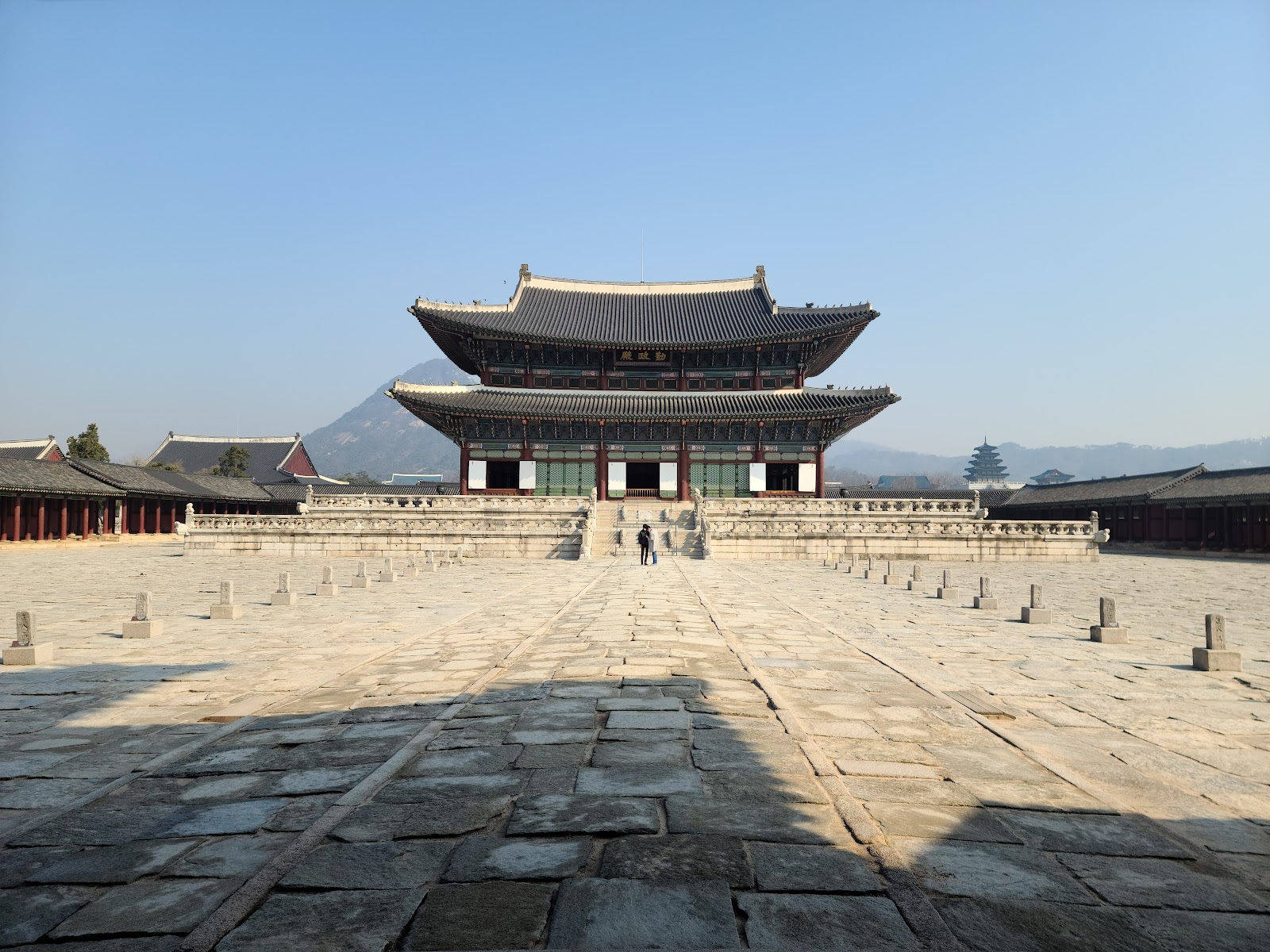
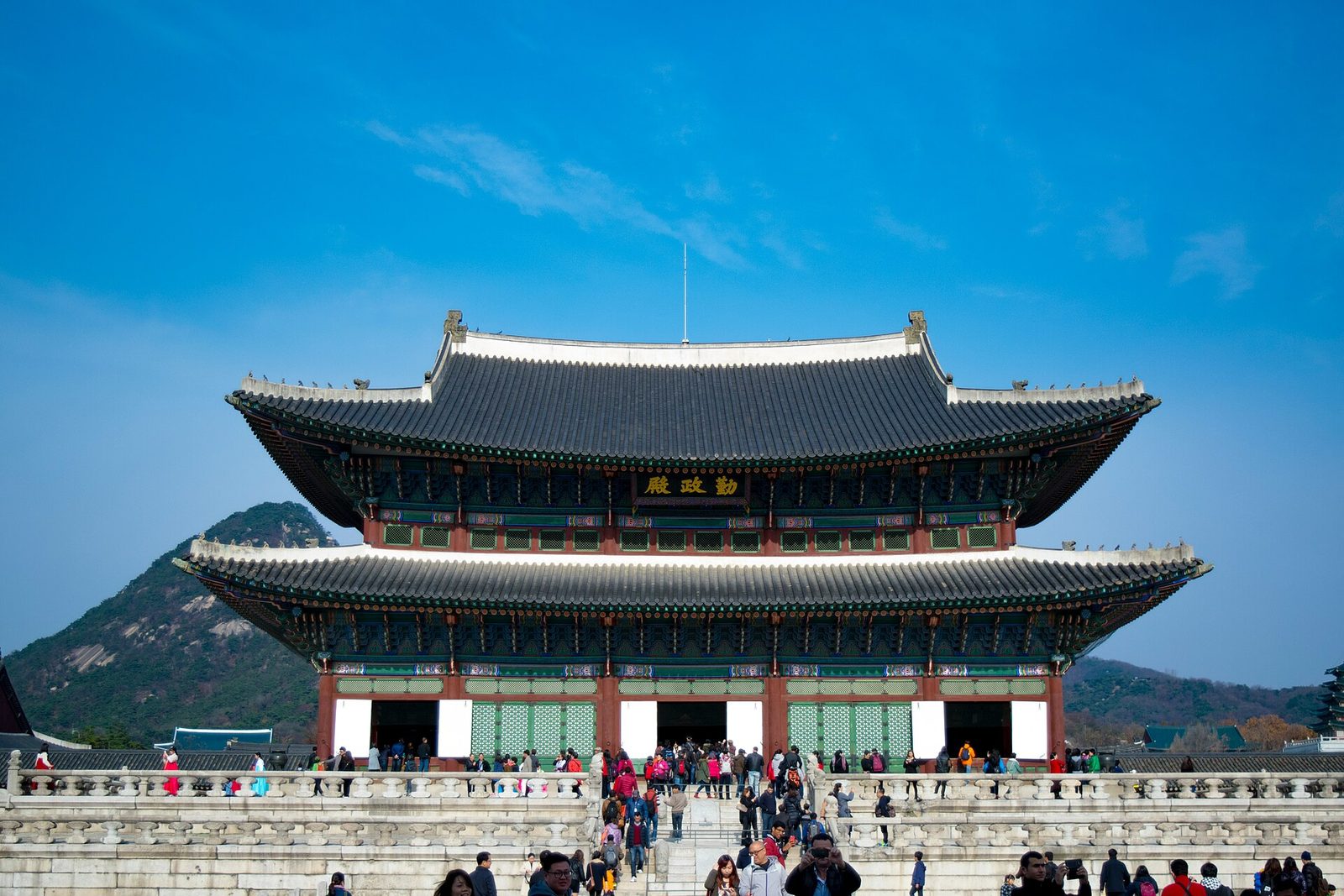
The main palace of the Joseon dynasty, first built in 1395. Arrive for the changing of the guard at Gwanghwamun gate, then walk through to Gyeonghoeru, the pavilion on the pond. It is closed on Tuesdays, and entry is free if you wear hanbok.
Lanes of traditional tiled-roof houses on the hill between Gyeongbokgung and Changdeokgung. People live here, so keep your voice down; the busiest residential lanes are open to visitors only during daytime hours.
A restored stream that runs for nearly 11 kilometres through the centre, a few steps below street level. It is at its best in the evening: start at Cheonggye Plaza near Gwanghwamun and walk east towards Gwangjang Market.
One of Seoul's oldest covered markets and the easiest place to try market food: bindaetteok (mung bean pancakes), mayak gimbap and knife-cut noodles, eaten at the stall's bench.
Seoul's best-known shopping streets for cosmetics and fashion. Street food stalls set up from late afternoon, and Myeongdong Cathedral at the top of the hill is a quiet break from the crowds.
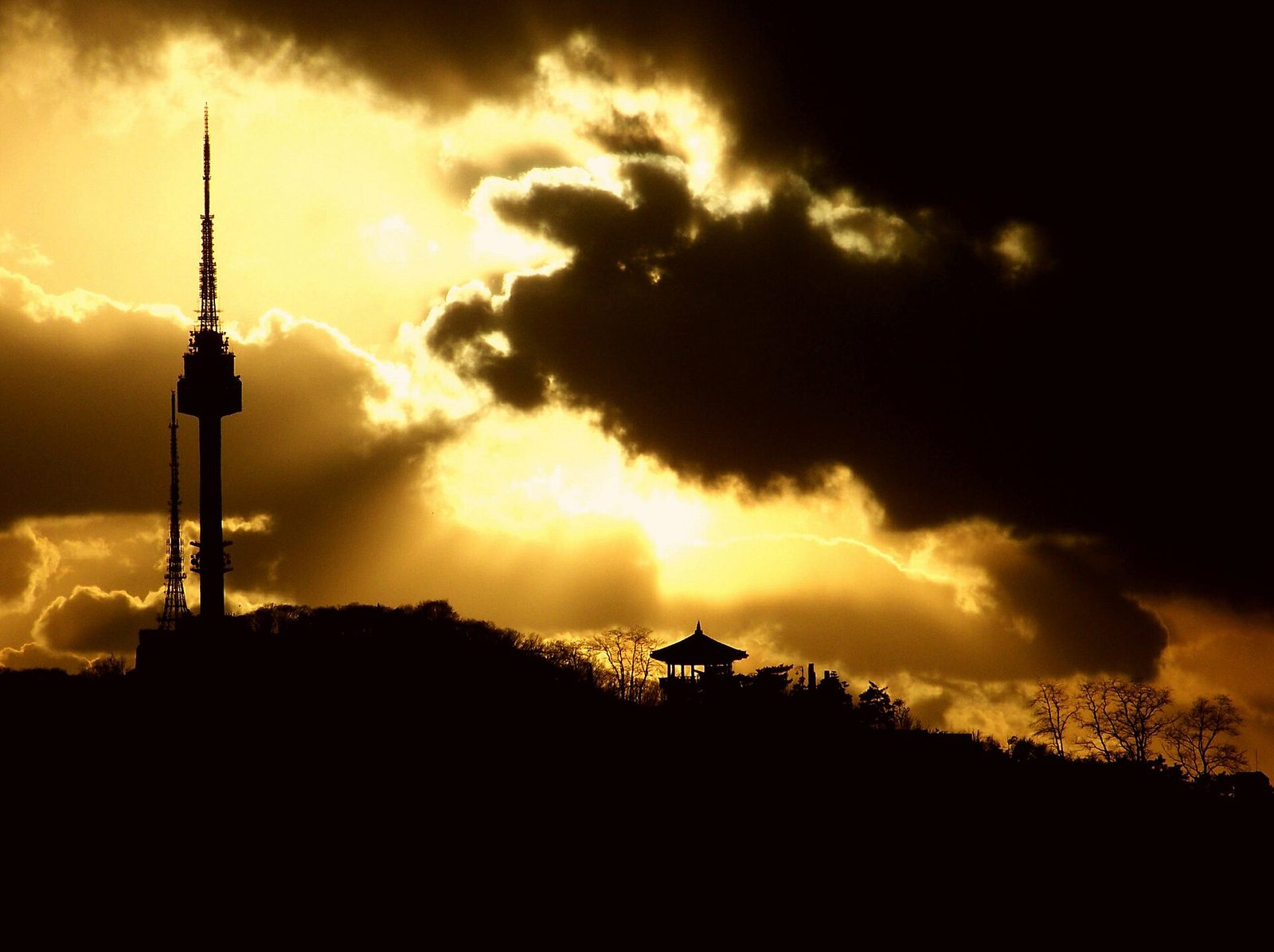
The tower on the hill in the middle of the city. Take the cable car or the Namsan circular bus, or walk up through the park in about 30 to 40 minutes, and time it for sunset.