Gyeongju was the capital of the Silla kingdom for nearly a thousand years, and the city is often called a museum without walls. Royal burial mounds rise between houses, temples sit in the hills, and the historic centre is compact enough to explore on foot or by bike. This plan fits the highlights into one full day, with a temple in the morning and the historic centre from the afternoon into the evening, when the palace pond is lit up.
Morning: Bulguksa Temple
Start at Bulguksa, a UNESCO World Heritage temple on the slopes of Tohamsan, east of the city centre. Its stone bridges, terraces and pagodas date back to the Silla era and are some of the finest in Korea. Allow about 1.5 hours. Arrive early, before the tour buses.
If you have time and energy, add Seokguram Grotto higher on the mountain, a Silla-era stone Buddha in a man-made cave, also on the UNESCO list. A shuttle bus or a hiking trail connects the two.
Buses connect Bulguksa with the city centre; a taxi is faster if you are short of time. Check the current route on Naver Map or KakaoMap.
Lunch: Hwangnidan-gil
Head back to the centre for lunch on Hwangnidan-gil, a street of hanok-style restaurants, cafes and small shops right beside the royal tombs. It gets busy at weekends, so eat a little early or late. For a calm coffee in a traditional-style building, try Cafe Arae Heon.
Afternoon: tombs, the observatory and Gyochon
The historic sights in the centre are close together. Walk or rent a bicycle and follow this loop:
- Daereungwon Tomb Complex: a park of giant grassy royal burial mounds. You can go inside one, Cheonmachong, to see how the tombs were built and replicas of what was found inside.
- Cheomseongdae: a stone tower from the 7th century, thought to be one of the oldest surviving astronomical observatories in East Asia. The fields around it are planted with seasonal flowers.
- Gyochon Traditional Village: a neighbourhood of restored hanok houses, with small museums and places to eat.
- Woljeonggyo Bridge: a reconstructed covered wooden bridge over the stream next to Gyochon, beautiful at sunset.
If you love history, the Gyeongju National Museum, a short walk south-east, holds the treasures found in the tombs, including gold crowns. Allow at least an hour.
Evening: Donggung Palace and Wolji Pond
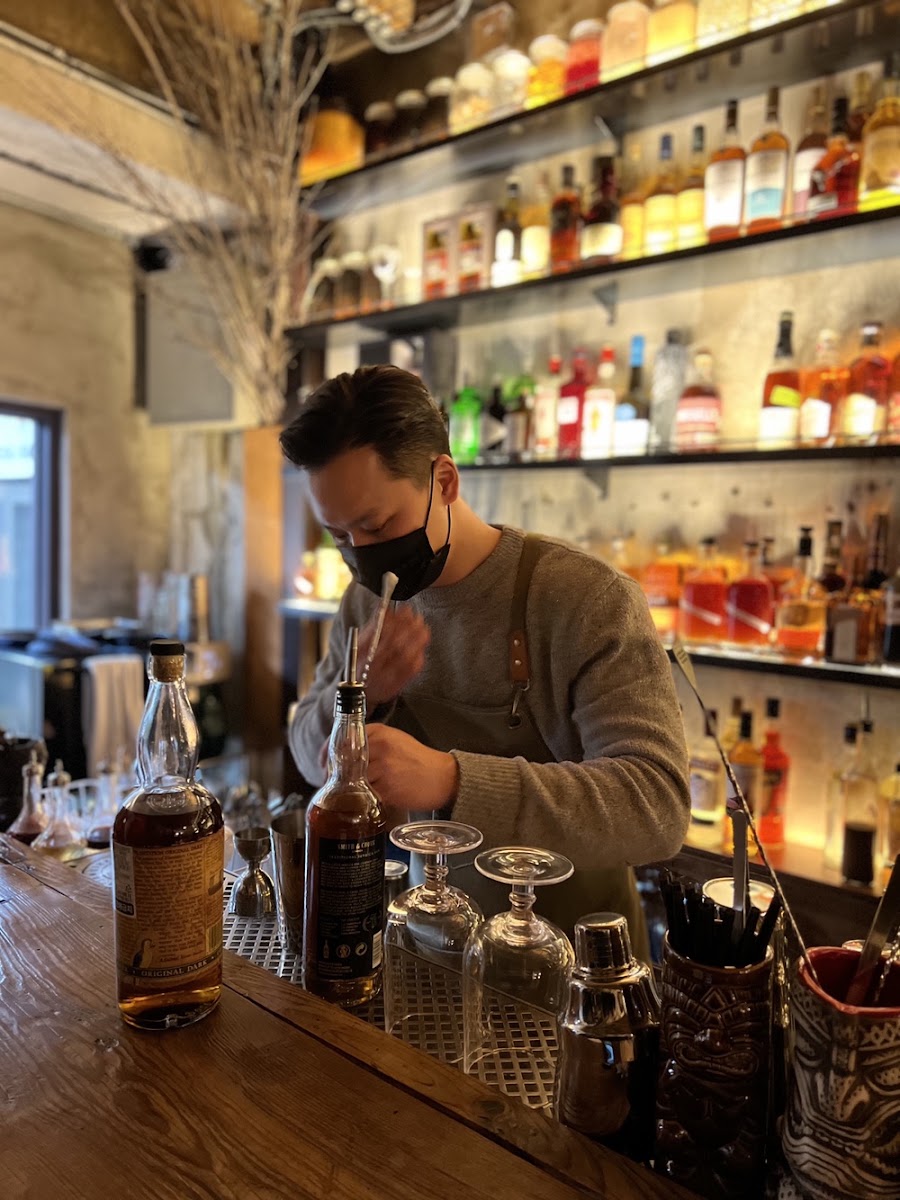
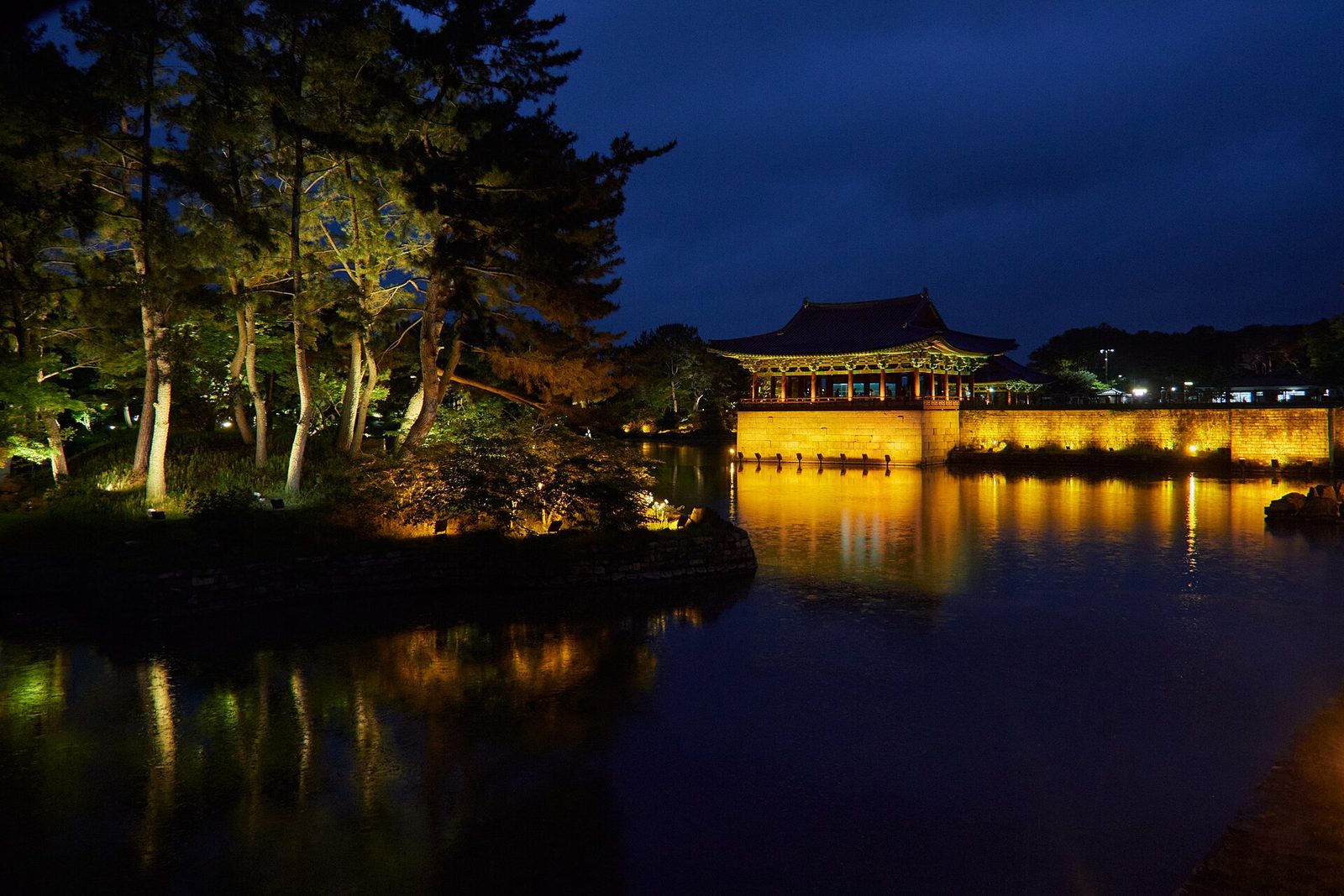
End the day at Donggung Palace and Wolji Pond (formerly known as Anapji), the site of a Silla royal palace. The rebuilt pavilions are lit after dark and reflected in the pond, which is one of the most photographed views in Korea. Go around sunset and stay for the lights. Then walk back to Woljeonggyo, which is also lit at night, or to Hwangnidan-gil for dinner and a drink; Bar Boon is a relaxed spot for a cocktail.
Staying overnight
Gyeongju deserves more than a day trip if you can spare it. Stay in a hanok guesthouse near the historic centre, or by Bomun Lake, a resort area east of the city with large hotels such as Hilton Gyeongju. A second day lets you see Seokguram, Yangdong Folk Village or the lakeside at a slower pace.
Tips for Gyeongju
- Bikes are ideal: the centre is flat, and bike rental shops are common near the tombs.
- Spring and autumn are best: cherry blossoms in early April and autumn colours in late October and November. See our autumn foliage guide.
- Weekends are busy: Hwangnidan-gil and Donggung Palace get crowded; come on a weekday if you can.
- Check opening hours: sites and museums have their own hours and closing days; check on the day.
FAQ
Is one day enough for Gyeongju?
One full day covers Bulguksa and the main sights in the centre. Two days let you add Seokguram, the National Museum and Bomun Lake without rushing.
How do I get from Seoul to Gyeongju?
Take the KTX to Singyeongju Station, about 2 to 2.5 hours, then a bus or taxi into the city.
When is Donggung Palace and Wolji Pond best?
Around sunset and after dark, when the pavilions are lit and reflected in the pond.