Korea has four distinct seasons, and the time of year changes everything from what you pack to what you see. Spring and autumn are mild and popular; summer is hot, humid and rainy; winter is cold and dry. Here is what to expect in each season, with temperatures for Seoul, and what to bring.
Spring: March to May
Spring starts cool and warms quickly. In Seoul, March can still feel wintry, while May is warm and pleasant.
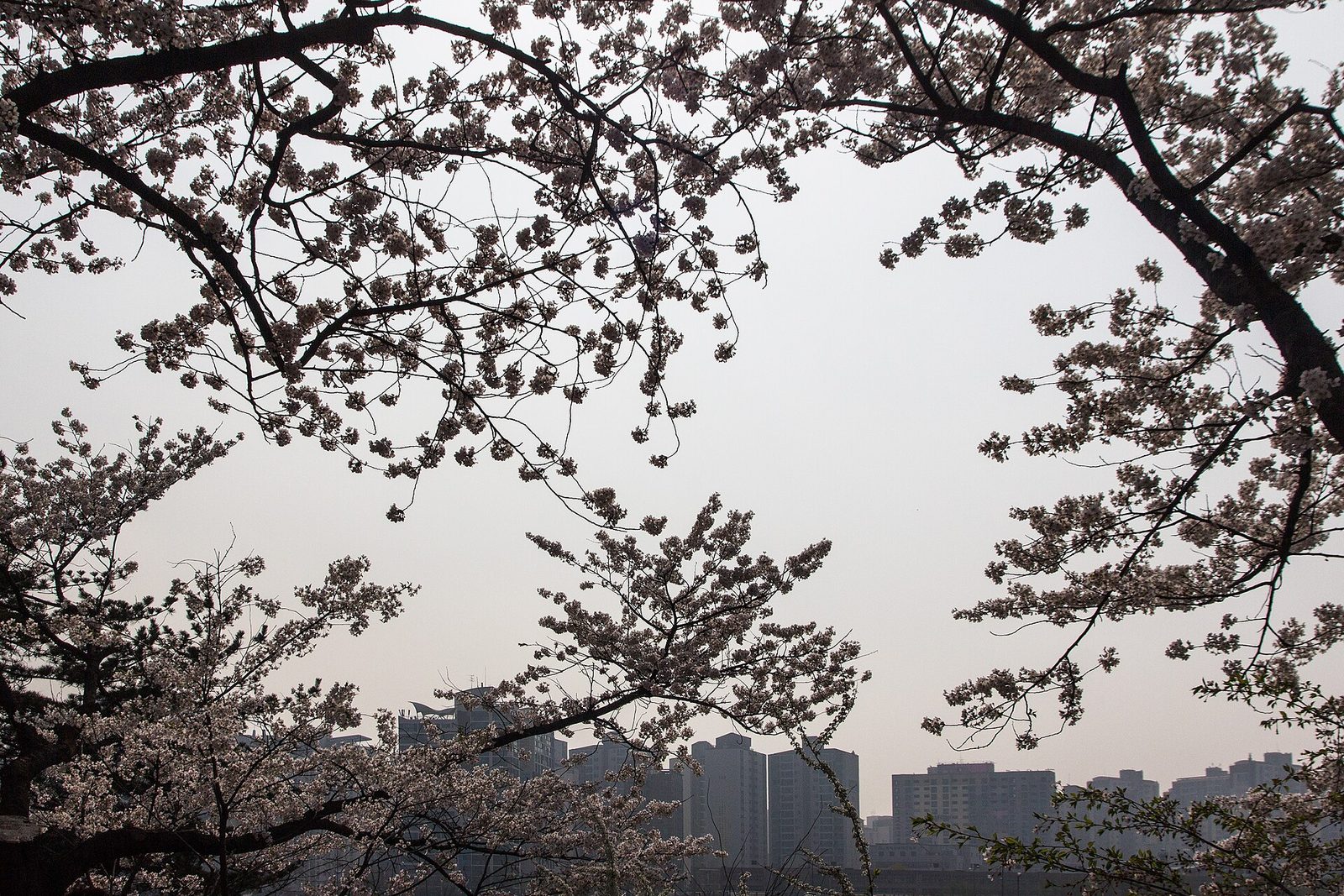
- Highlights: cherry blossoms, usually from late March in the south (Jeju, Busan) to early April in Seoul, followed by azaleas and fresh green hills.
- Watch out for: fine dust and yellow dust, which can make the air hazy on some spring days. Check an air quality app, and consider a mask on bad days.
- Pack: layers, a light jacket and a warmer layer for March and early April evenings.
Summer: June to August
Summer is hot and humid. In Seoul, daytime highs around 30°C are common in July and August, and nights stay warm.
- Rainy season: the monsoon season (jangma) usually runs from late June to late July, with long spells of heavy rain. Plan indoor options and carry an umbrella.
- Typhoons: most likely in August and September, especially in the south and on Jeju. Flights and ferries can be cancelled at short notice.
- Highlights: beaches in Busan and Jeju, mountain valleys, night markets and festivals, and bingsu (shaved ice).
- Pack: light, breathable clothes, sun protection, a small umbrella and a light layer for strongly air-conditioned trains, cafes and shops.
Autumn: September to November
Autumn is often called the best season. September can still be warm, October is crisp and clear, and November turns cool.
- Highlights: autumn colours from early October in the northern mountains to mid-November in the south. See our autumn foliage guide.
- Watch out for: Chuseok, the harvest holiday in September or early October, when transport is packed and some small shops close for a few days.
- Pack: layers, a warm jacket for November, and comfortable shoes for walking and hiking.
Winter: December to February
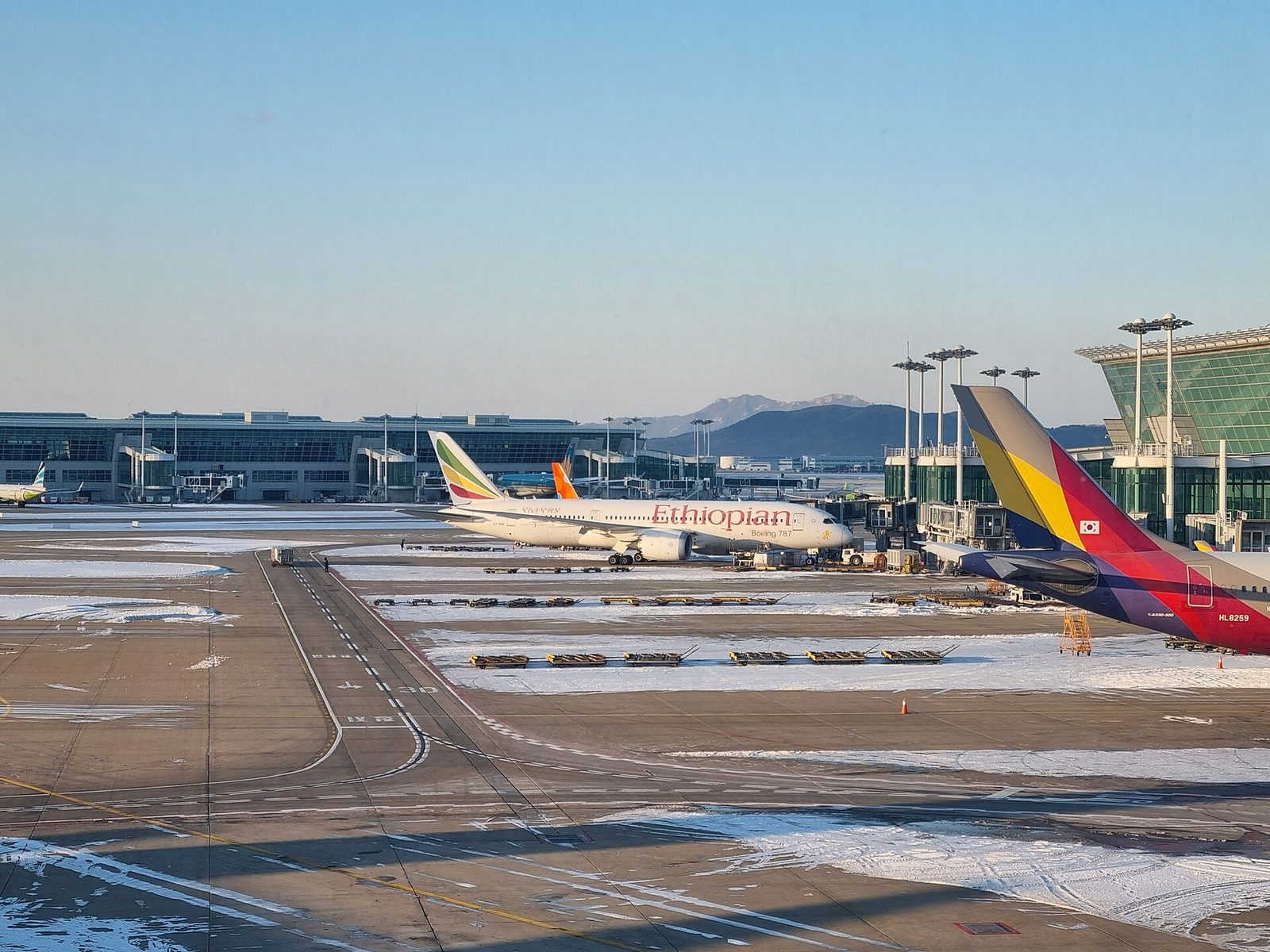
Winter is cold and dry, with clear skies and occasional snow. In Seoul, temperatures often stay below freezing, especially in January, and the wind can make it feel much colder. The south and Jeju are milder.
- Highlights: ski resorts in Gangwon, winter festivals, Christmas and New Year lights, hot street food and warm-floored restaurants and bathhouses. See our bathhouse guide.
- Watch out for: icy pavements, and Seollal (Lunar New Year) in January or February, when many people travel home.
- Pack: a proper winter coat, thermal layers, gloves, a hat and lip balm. Indoors is well heated, so layers you can take off are best.
Which season is best for a first trip?
- Best weather: April to early June and mid-September to November.
- Fewest crowds and lower prices: winter, if you don't mind the cold.
- Beaches: July and August, but expect heat, rain and crowds.
- Avoid if you can: the main days of Seollal and Chuseok if you plan to travel between cities.
Weather tips for any season
- Check the forecast and air quality in a Korean weather app or Naver; they are updated often.
- Pack for walking. Korea is a country of stairs, hills and long subway corridors.
- Indoor spaces are heated in winter and air-conditioned in summer, so dress in layers.
- Whatever you forget, you can buy cheaply: umbrellas, hand warmers, cooling towels and socks are sold in every convenience store.
Planning your days? Try our 3-day Seoul itinerary, and see the best times to visit Seoul attractions.
FAQ
What is the best month to visit Korea?
Many people choose April, May, October or early November for mild weather, with cherry blossoms in spring and colourful leaves in autumn.
When is the rainy season in Korea?
The monsoon season usually runs from late June to late July. Typhoons are most likely in August and September.
How cold is Seoul in winter?
Seoul is often below freezing in December to February, especially in January, and it feels colder in the wind. Bring a warm coat, gloves and a hat.