Gwangju
The cultural capital of the southwest, known for its role in Korea's democracy movement, its art biennale and the generous Jeolla-style food.
Planning a trip to Gwangju
Getting there
The KTX runs from Seoul (Yongsan) to Gwangju Songjeong Station in about two hours.
How long to stay
One or two days for the Asia Culture Center, the May 18 memorial sites, Yangnim-dong's old houses and the food. Damyang's bamboo forest is an easy half-day trip.
Getting around
Gwangju has a subway line and a good bus network; taxis are inexpensive.
When to go
Spring and autumn are the most comfortable. Gwangju is known as one of Korea's best food cities at any time of year.
Where to stay
Stay downtown near the Asia Culture Center for walking to sights and restaurants, or near Songjeong Station for trains.
What to see first
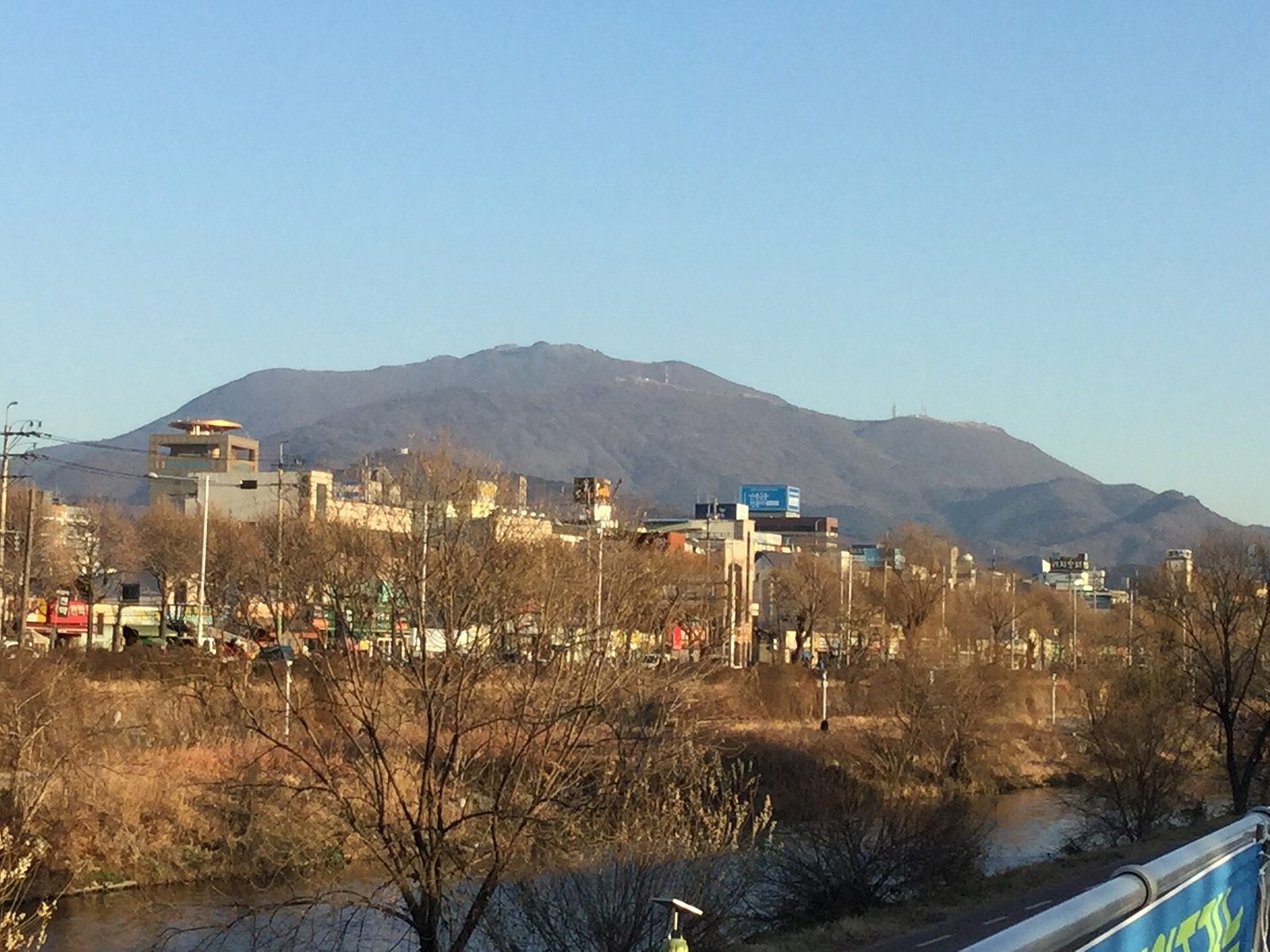
Gwangju is the city of the May 18 Democratic Uprising of 1980. The May 18 National Cemetery and the memorial sites downtown tell that story, and the Asia Culture Center hosts exhibitions and performances. Yangnim-dong has early 20th-century missionary houses and the Penguin Village alley of folk art. Mudeungsan, a national park on the city's edge, offers rocky ridges and good hiking.
What to eat
The Jeolla region is known for generous tables, and Gwangju restaurants often serve many side dishes with every meal. Try tteokgalbi (grilled minced short rib patties), especially in nearby Songjeong or Damyang, and Gwangju's oritang, a hearty duck soup.
Good to know
Damyang's Juknokwon bamboo forest and its tree-lined Metasequoia road are an easy half-day trip by bus. The Gwangju Biennale, one of Asia's major contemporary art events, is usually held in the autumn of even-numbered years.
Places worth your time in Gwangju
The Korean name is the one to show a taxi driver or paste into Naver Map or KakaoMap.
Asia Culture Center and May 18 Democracy Square 국립아시아문화전당
A large arts complex built around the square and the former provincial office at the centre of the May 1980 uprising. Exhibitions change often, and the grounds are pleasant in the evening.
May 18th National Cemetery 국립5·18민주묘지
The memorial and resting place of those who died in the 1980 democratic uprising, north of the city, with a small exhibition hall. A quiet, moving visit.
Yangnim-dong and Penguin Village 양림동 펭귄마을
A neighbourhood of early 20th-century missionary houses and hanok, plus an alley decorated by residents with clocks, pots and old signs.
Mudeungsan National Park 무등산국립공원
The mountain on the edge of the city, known for its columns of volcanic rock near the top. The walk to Jeungsimsa temple is an easy introduction.
Juknokwon Bamboo Forest, Damyang 죽녹원
Walking paths through a dense bamboo grove in the next county, about 40 minutes away by bus, near the tree-lined Metasequoia Road.