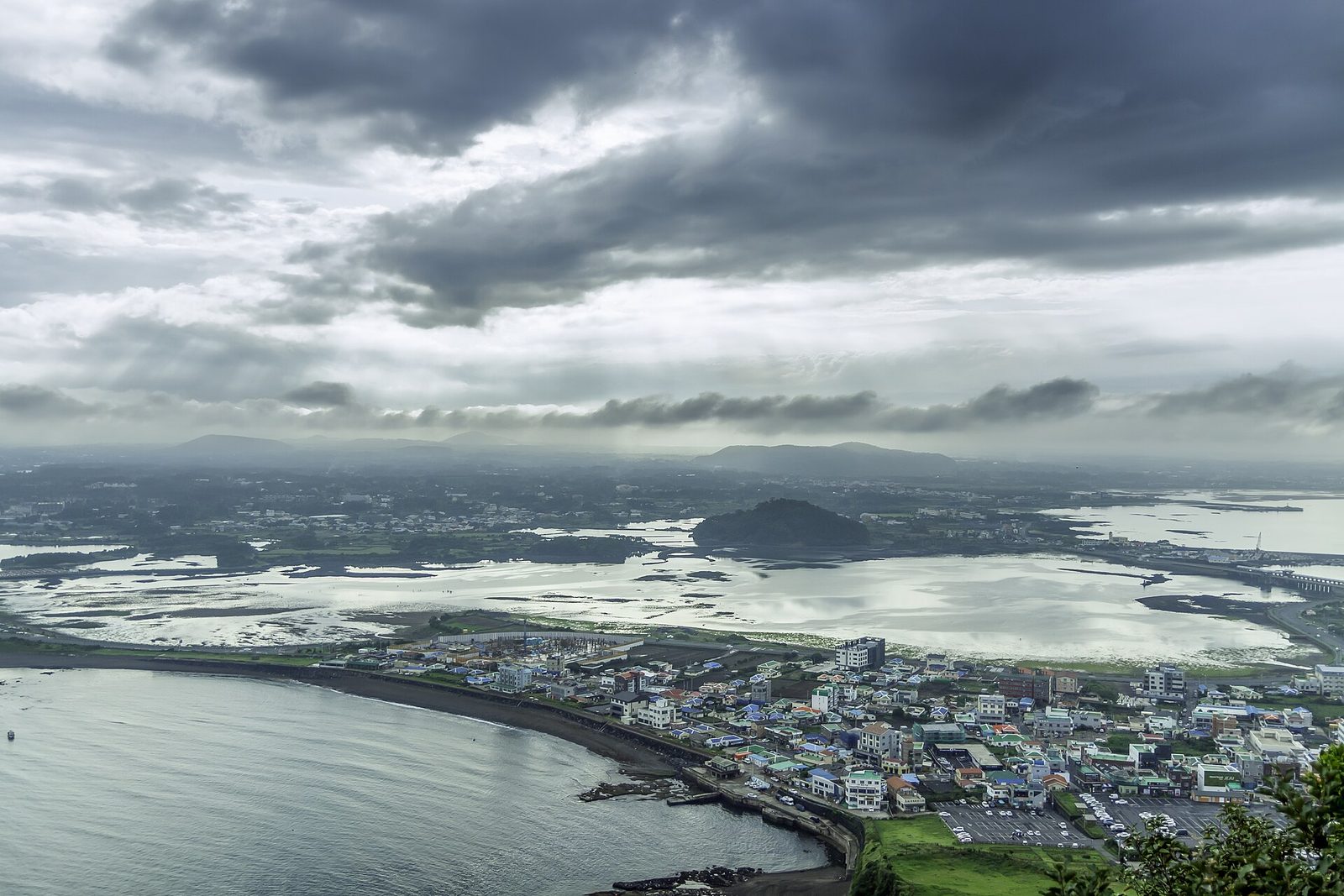
Jeju is a volcanic island off Korea's south coast, about an hour's flight from Seoul, with black-rock beaches, crater hills, waterfalls and Korea's highest mountain, Hallasan. It is bigger than it looks, so the best way to see it in three days is one side of the island per day: the west coast, the east coast and the south. Every stop links to a fuller guide where we have one, and our Jeju region guide collects everything else we have written about the island.
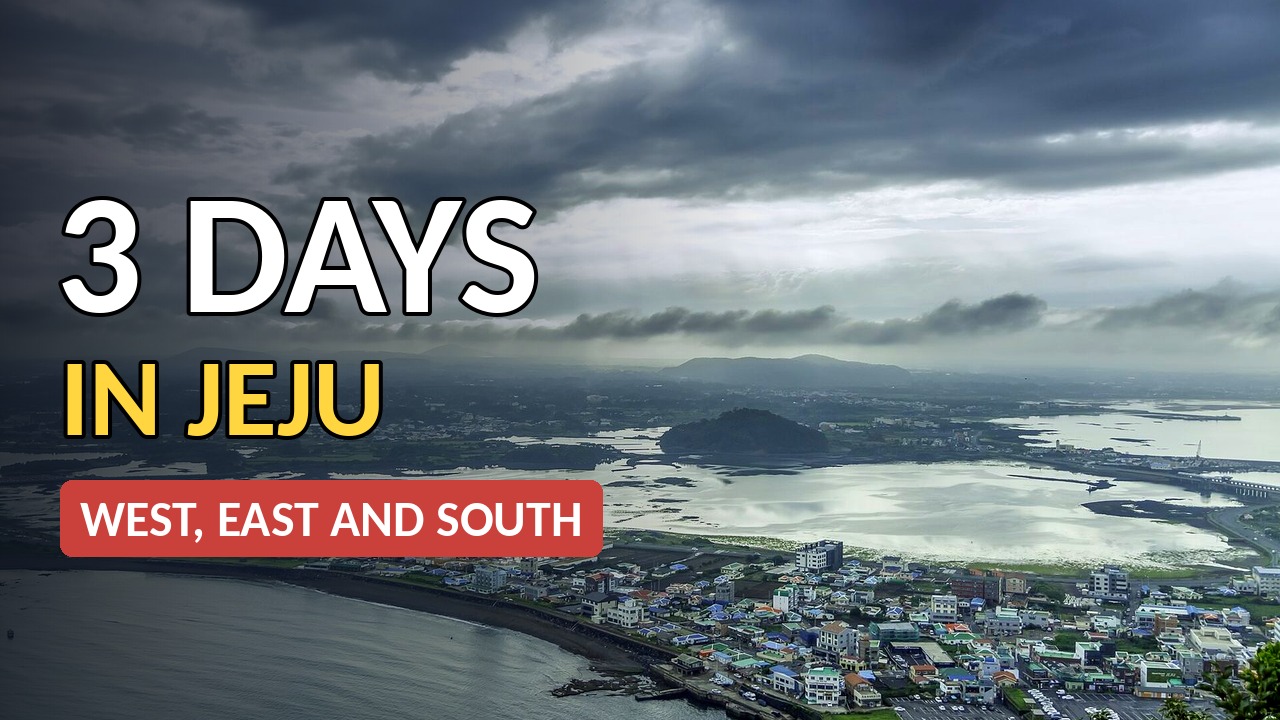
Watch the whole guide, with maps (10 minutes)
Subscribe for new videosTop things to do in Jeju at a glance
- Walk the turquoise shore of Hyeopjae Beach on the west coast (Day 1).
- Stop at a sea-view cafe on the Aewol coast (Day 1).
- Climb a small volcanic cone, an oreum, or visit Arte Museum Jeju on a rainy day (Day 1).
- Climb Seongsan Ilchulbong, "Sunrise Peak", early in the morning (Day 2).
- Take the ferry to Udo Island and cycle its coast roads (Day 2).
- Walk the clifftop path at Seopjikoji (Day 2).
- Hike Hallasan, Korea's highest mountain, or a shorter trail on its slopes (Day 3).
- See Jeongbang and Cheonjiyeon Falls in Seogwipo (Day 3).
Where to stay
For a short trip, stay in Jeju City, close to the airport, where most restaurants and buses start. It works as a base for all three days. Maison GLAD Jeju is a convenient city hotel. If you prefer the coast, Aewol on the west or Seogwipo on the south are good alternatives.
Day 1: the west coast
Morning: Aewol coast
Drive west along the coast road from Jeju City to Aewol, where the shoreline is lined with lava rock and cafes with big sea views. Haejigae Cafe is a relaxed stop with views of the water.
Midday: Hyeopjae Beach
Continue to Hyeopjae Beach, famous for its clear, turquoise water and views of Biyangdo, a small island just offshore. Walk the sand and the coastal path, and eat lunch in Hallim nearby. In summer it is a swimming beach; the rest of the year it is perfect for a walk.
Afternoon: Arte Museum or a crater walk
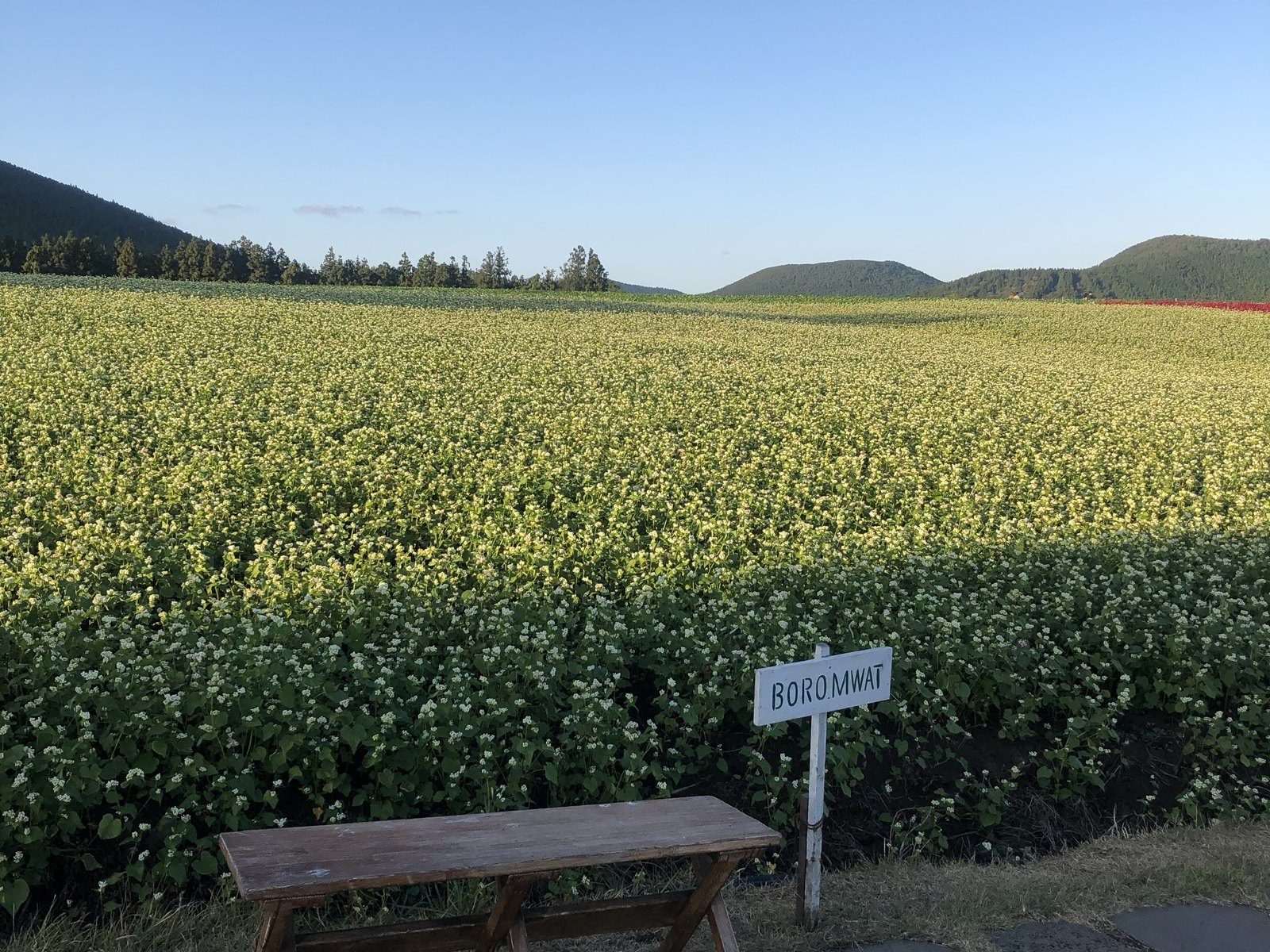
Head inland to Arte Museum Jeju, a large immersive digital art space, which is also a good plan for a rainy day. On a clear day, swap it for a short climb up one of the oreum, the small volcanic cones scattered across the island, for a view over the fields.
Evening: sunset on the west coast
The west coast faces the sunset. Stay for it before driving back to Jeju City.
Day 2: the east coast
Early morning: Seongsan Ilchulbong
Seongsan Ilchulbong, "Sunrise Peak", is a huge volcanic crater rising from the sea on the east tip of the island and part of Jeju's UNESCO World Natural Heritage. The climb to the crater rim takes about 20 to 30 minutes on steps. Come for sunrise or early in the morning to avoid the tour groups.
Late morning: Udo Island
Ferries run from Seongsan Port, near Sunrise Peak, to Udo, a small island with white sand beaches, peanut ice cream and quiet coastal roads. Rent a bicycle, e-bike or scooter on the island to get around. Ferries can be cancelled in bad weather or strong wind; check on the day.
Afternoon: Seopjikoji and the coast road
Walk the clifftop path at Seopjikoji, just south of Seongsan, with views back to Sunrise Peak. On the way back to Jeju City, families and adventure lovers can stop at Jeju Leports Land in Jocheon for outdoor activities.
Day 3: Hallasan or the south coast
Option A: hike Hallasan
Hallasan, at 1,947 metres, is South Korea's highest mountain. The two trails to the summit, Seongpanak and Gwaneumsa, need an online reservation in advance for the final section to the summit and take most of a day, with strict cut-off times for starting the final climb. If you want a shorter hike, the Eoseungsaengak trail takes about an hour up and down and gives a taste of the mountain. Start early, bring water and warm layers, and check the weather: the mountain is much colder and windier than the coast.
Option B: Seogwipo and the waterfalls
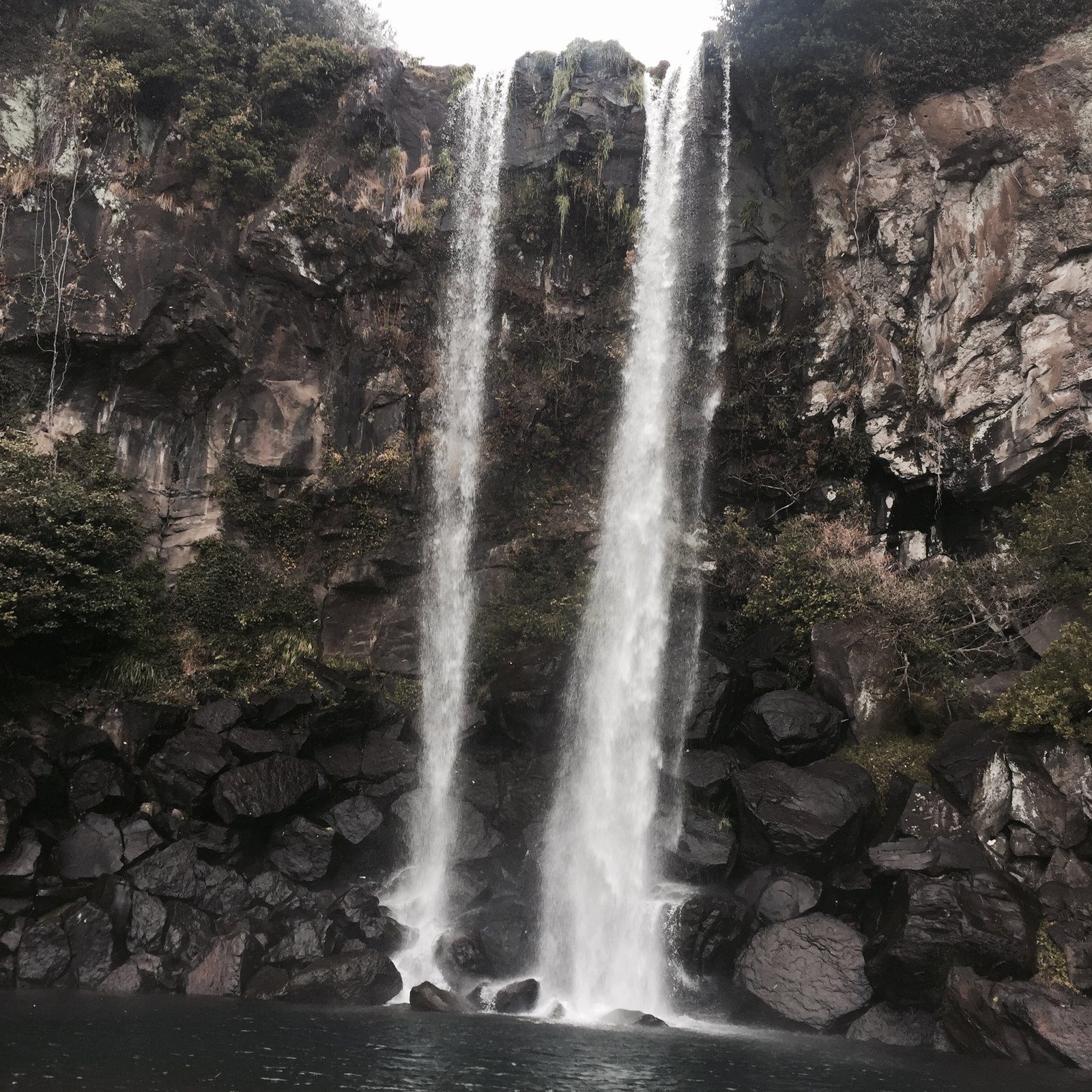
Cross the island to Seogwipo on the south coast. See Jeongbang Falls, which drops straight into the sea, and Cheonjiyeon Falls, which is lit in the evening. Walk a section of the Jeju Olle Trail along the coast and finish at Seogwipo Maeil Olle Market for snacks and Jeju tangerines.
Before you fly home
If your dates fall on the 2nd or 7th of the month (2, 7, 12, 17, 22, 27), visit the Jeju Traditional Five-Day Market in Jeju City. For a last seafood meal near the airport, see Gozip Dol Wooluck.
What to eat on Jeju
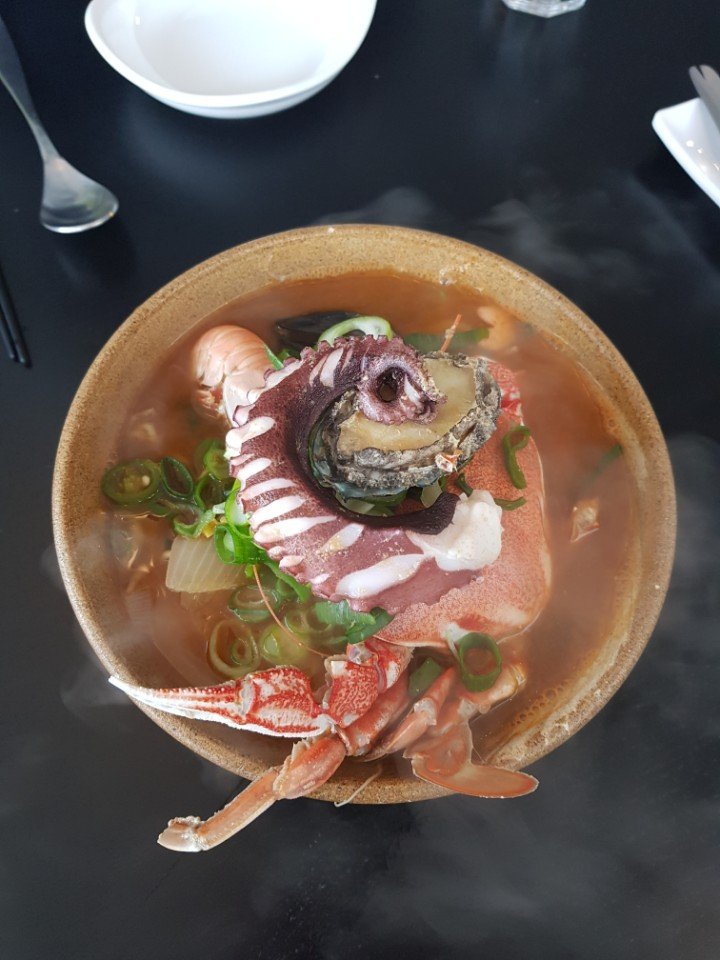
- Heuk-dwaeji: Jeju's famous black pork, grilled at the table.
- Seafood: raw fish, abalone porridge and hairtail (galchi) dishes. For places to try, see Jeju.
- Tangerines: in season from late autumn to winter, and in juices, chocolates and desserts all year. Visiting then? See our Jeju in winter guide.
Tips for Jeju
- The weather changes fast, and wind is common. Bring a windproof layer whatever the season.
- Book flights from Seoul early for weekends and holidays; it is one of the busiest air routes in the world.
- Many places outside Jeju City close early in the evening. Plan dinner near your hotel.
- Use Naver Map or KakaoMap for driving and bus routes. See Naver Map vs Google Maps.
Short on time? The guide in under a minute
Subscribe for new videosFAQ
Is three days enough for Jeju?
Three days is enough for the highlights of the west coast, the east coast and either Hallasan or the south. With more time, slow down and add more beaches, oreum and coastal walks. To fit Jeju into a longer trip, see our 10 days in Korea plan.
How many days do you need in Jeju?
Three days covers the west coast, the east coast and either Hallasan or the south, as in this plan. Four or five days lets you go slower, add more beaches and oreum, and keep a spare day for rain or cancelled ferries.
Do I need a car to see Jeju?
It makes things much easier. Buses do reach the main sights, but they are slow and some run only every half hour or less often, so plan fewer stops per day if you rely on them. Check routes and times on Naver Map or KakaoMap before you set off, as timetables change.
Do I need to book a Hallasan hike?
Yes, for the summit sections of the two summit trails (Seongpanak and Gwaneumsa). Shorter trails don't need a reservation. Check the official Hallasan website, as the rules change.