Daegu
A big inland city with traditional medicine markets, mountain temples nearby and a busy food scene. In summer it is one of the hottest cities in Korea.
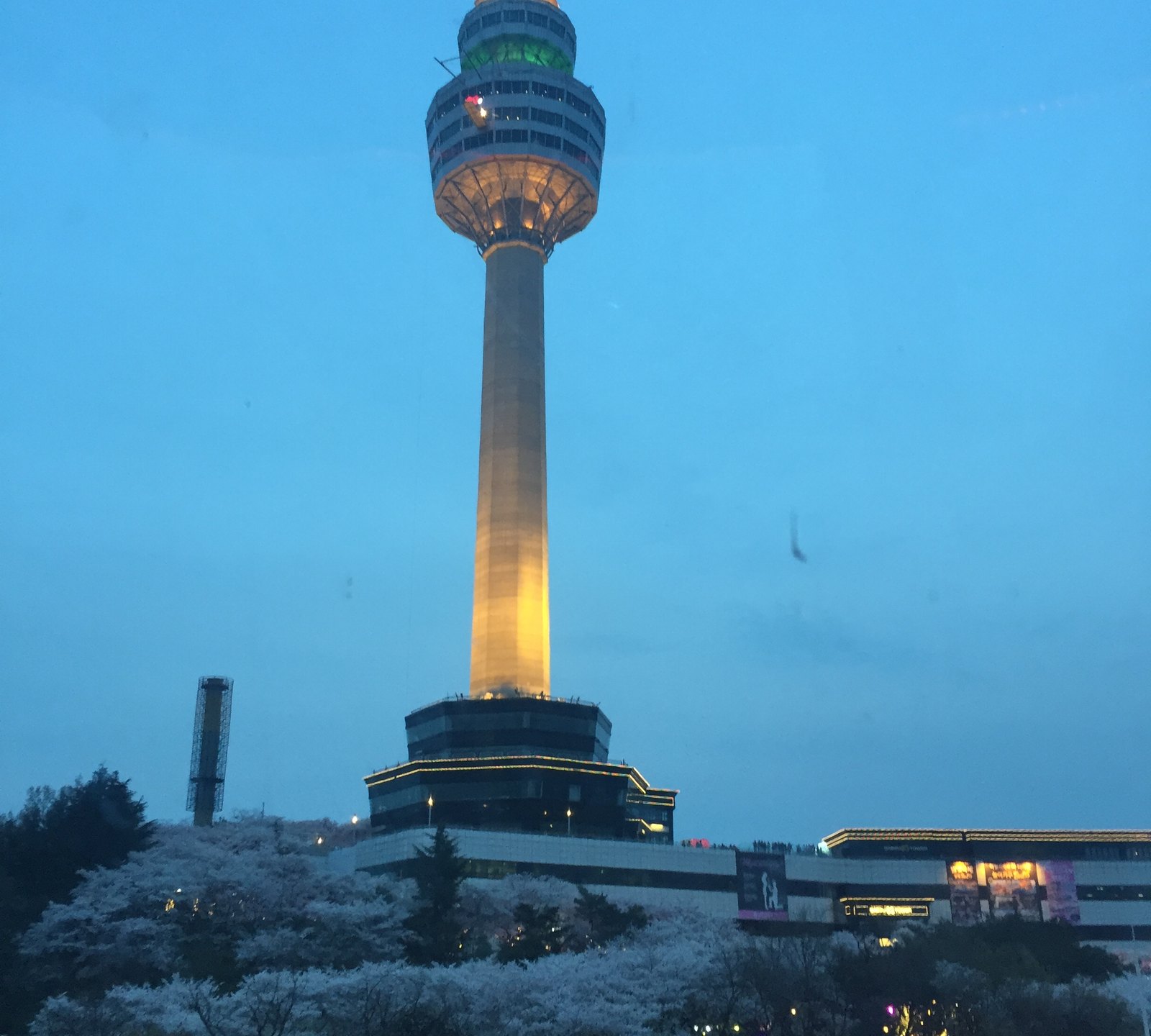
Planning a trip to Daegu
Getting there
The KTX takes about one hour forty minutes from Seoul to Dongdaegu Station. Daegu is also about an hour from Busan by train.
How long to stay
One or two days for Seomun Market, the old town alleys, Kim Gwang-seok Street and a view from Apsan Park, with good food throughout.
Getting around
Daegu has subway and monorail lines that cover the main areas; taxis are inexpensive.
When to go
Daegu is one of the hottest cities in Korea in summer. Spring and autumn are the most comfortable months to explore on foot.
Where to stay
Stay in the central Jung-gu area near the markets and old town, or near Dongdaegu Station for easy trains.
What to see first
Seomun Market is one of Korea's largest traditional markets, with a busy night market in the warmer months. The old town has the Modern History Alleys, with Gyesan Cathedral and the 90 steps of the March First Movement trail. Kim Gwang-seok Street is a mural lane dedicated to a much-loved folk singer, and Apsan Park's cable car leads to a viewpoint over the city.
What to eat
Daegu is known for makchang (grilled pork intestines), jjimgalbi (spicy braised beef ribs) on Dongin-dong's jjimgalbi alley, and napjak mandu, flat dumplings. Seomun Market's food stalls serve kalguksu (knife-cut noodles) and other quick, cheap meals.
Good to know
Daegu is often the hottest city in Korea in July and August, so plan sightseeing for mornings and evenings. Palgongsan mountain and Donghwasa temple are an easy bus ride north of the centre. The city is also a good stop between Seoul and Busan, and Gyeongju is under an hour away.
Places worth your time in Daegu
The Korean name is the one to show a taxi driver or paste into Naver Map or KakaoMap.
Seomun Market 서문시장
One of the biggest traditional markets in Korea, known for fabric and for its food alleys: flat dumplings (napjak mandu) and knife-cut noodles. A night market runs in the warmer months.
Kim Gwang-seok Street 김광석 다시그리기길
A lane of murals, music and small cafés dedicated to a much-loved folk singer who grew up nearby, beside Bangcheon Market.
Cheongna Hill and the Modern History Alley 청라언덕
Missionary houses from the early 1900s, the 90 steps of the March First Movement and Gyesan Cathedral, linked by an easy signposted walk through the old town.
Apsan Observatory 앞산전망대
A viewpoint over the whole city, reached by cable car and a short walk. Go just before sunset and stay for the lights.
Donghwasa Temple 동화사
A large temple on Palgongsan, north of the city, with a towering stone Buddha. A cable car nearby climbs higher up the mountain.