Korea is one of the easiest places in Asia to travel on a card. Most shops, cafes, restaurants, taxis and convenience stores take Visa and Mastercard, and many terminals accept a tap. You still need a small amount of cash for a few situations, and it helps to know where foreign cards tend to fail before you arrive.
Where your card works well
In cities, you can pay by card almost everywhere you are likely to go on a first trip:
- Convenience stores, supermarkets, department stores and chain restaurants
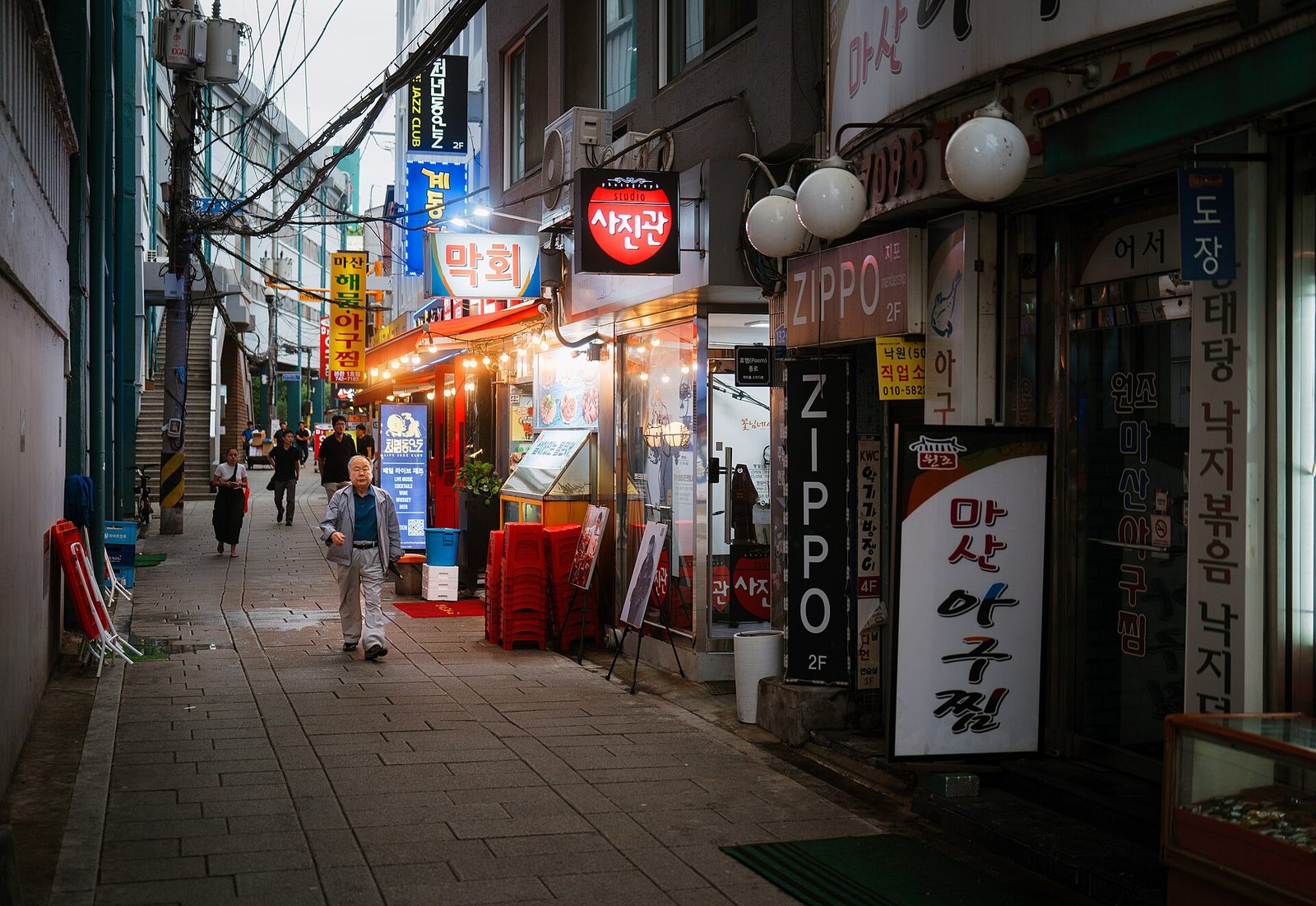
- Most cafes and sit-down restaurants, including many small independent ones
- Taxis, whether you hail one on the street or book through an app such as Kakao T
- Hotels, museums, palaces, theme parks and major attractions
- Train tickets on Korail’s website and app and at station counters
Visa and Mastercard are the safest choices. American Express, JCB and UnionPay are accepted in many places, but less consistently. Many shops now use self-order kiosks; most take foreign cards, though some only accept Korean ones, so be ready to order at the counter instead.
When cash still helps
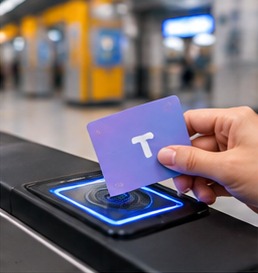
- Topping up a T-money card. Regular top-ups at subway machines and convenience store counters are still mostly cash. Since March 2026, many Seoul Metro ticket machines on lines 1 to 8 accept overseas Visa and Mastercard for single tickets and short-term Climate Card passes, with an extra fee. Our transit card guide explains the options.
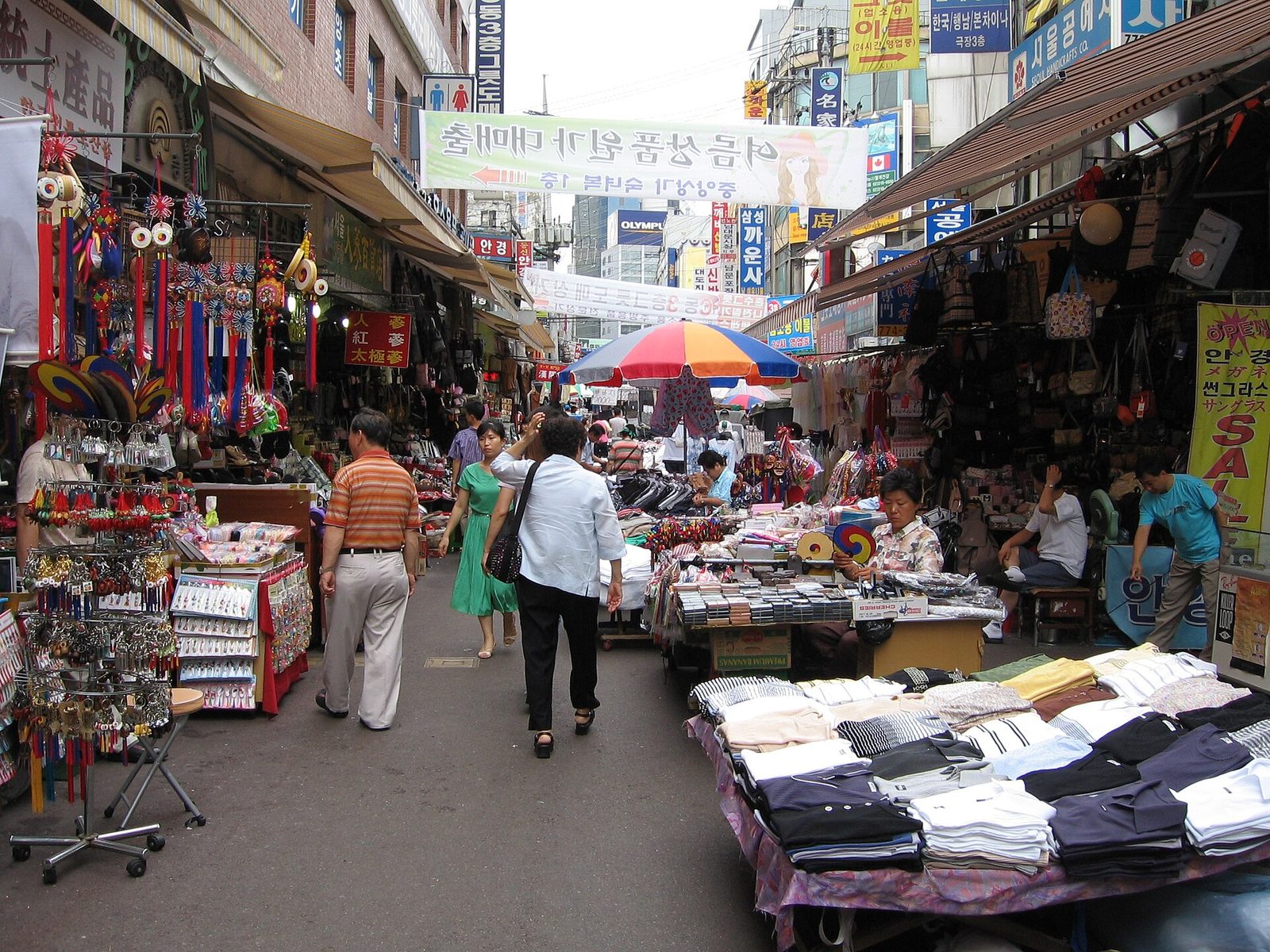
- Markets and street food. Many stalls take cards now, but smaller vendors at traditional markets and night markets often prefer cash.
- Outside the big cities. Small guesthouses, temple donation boxes, rural restaurants and some local buses may be cash only.
- Splitting a bill. Friends often pay one person back in cash, and some small restaurants dislike splitting a bill across several cards.
Around ₩50,000 to ₩100,000 in notes covers these moments for a few days for most travellers. Note that many city buses no longer take cash on board, so tap a transit card instead. For daily spending, see our travel budget guide.
Getting Korean won
- ATMs. Look for machines marked "Global ATM" or showing your card network's logo. Bank branches, airport machines and many convenience store ATMs work with foreign cards. Our guide to using Korean ATMs covers fees and common errors.
- Money changers. Airport counters are convenient for a small amount on arrival. Licensed exchange shops in areas such as Myeongdong usually give better rates, so change the bulk of your cash there.
- Prepaid travel cards. Several cards sold at airports and in tourist areas combine a transit card with a balance you load in foreign currency. They can be handy if your own card struggles, but compare the exchange rate and any fees first.
Avoid paying extra
- If a card terminal or ATM offers to charge you in your home currency, choose Korean won (KRW). Paying in your own currency, known as dynamic currency conversion, usually means a worse rate.
- Check what your bank charges for foreign purchases and withdrawals before you fly. A card with no foreign transaction fee saves money on a long trip.
- One larger ATM withdrawal often costs less than several small ones, because fixed fees apply each time.
- Keep your receipts if you shop a lot: many stores offer a tax refund for visitors, explained in our tax refund guide.
Phone wallets and Korean pay apps
Apple Pay and Google Pay with a foreign card work at some terminals that accept contactless cards, but many Korean shops still use readers that do not, so always carry the physical card as well.
Kakao Pay, Naver Pay and Samsung Pay are everywhere among residents, but their full services usually need a Korean phone number or bank account. Do not plan your trip around them. Online shopping and booking sites can also reject foreign cards or ask for Korean phone verification, so book key tickets through English-language sites where you can.
On a related point, you do not need to add a tip when you pay: see our guide to tipping in Korea.
If your card is declined
- Try tapping instead of inserting, or inserting instead of tapping.
- Check your banking app for a fraud alert and approve the payment if asked.
- Switch to your second card, ideally on a different network.
- Pay in cash and withdraw more at a global ATM later.
FAQ
Do I need cash in Korea at all?
Very little. Cards cover most spending in cities, but keep some won in notes for transit card top-ups, market stalls, small rural businesses and the occasional machine that will not read your card.
Is it better to exchange money before I travel?
Usually not. Rates for won abroad are often poor. Change a small amount at the airport if you want cash on arrival, then use a global ATM or a licensed money changer in the city (see where to exchange money).
Can I use Apple Pay in Korea with a foreign card?
Sometimes. It works where the terminal accepts contactless foreign cards, which is far from everywhere. Treat it as a convenience, not your main way to pay.