Korea is cheaper than Japan or Western Europe in many ways, and more expensive in a few. Public transport and everyday food are good value; hotels in central Seoul and some sit-down meals are not cheap. Here is a plain guide to what things cost, with three sample daily budgets. Prices change, so treat the numbers as a rough guide and check current exchange rates.
Where to stay
- Hostel dorms and guesthouses: the cheapest beds, especially around Hongdae and Myeongdong.
- Business hotels and small hotels: good value for a private room, often near subway stations.
- International hotels: plenty in central Seoul, Busan and Jeju, with prices to match.
Accommodation is usually the biggest part of a budget. Prices rise sharply in cherry blossom and autumn foliage season, at weekends and around holidays such as Seollal and Chuseok, so book early for those dates.
Food
- Convenience stores: triangle kimbap, instant noodles, sandwiches and lunch boxes are the cheapest way to eat. See our convenience store guide.
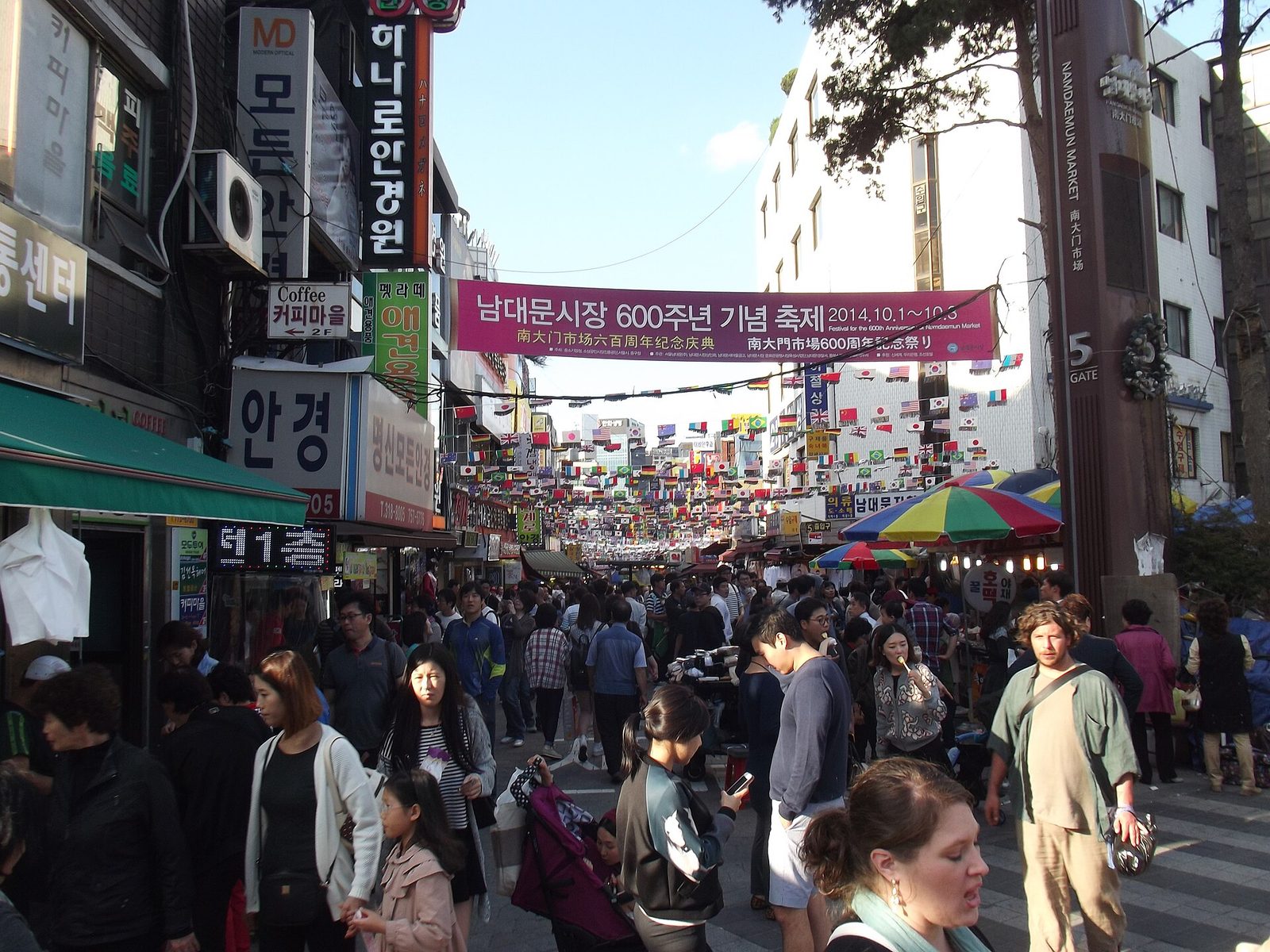
- Markets and street food: snacks like tteokbokki, fish cakes and pancakes cost a few thousand won each. See our street food guide.
- Everyday restaurants: a bowl of soup, a stew or bibimbap with free side dishes is good value. Water and side dishes are free.
- Korean barbecue: priced per portion, and most places ask for at least two portions. See our Korean BBQ guide.
- Cafés: coffee is not cheap in Korea and often costs as much as a simple meal.
Tipping is not expected anywhere, which helps.
Getting around
Public transport is cheap and excellent. In Seoul, a basic subway ride with a transit card costs 1,550 won, and transfers between subway and bus within a short time are discounted or free. Taxis are fairly priced for short trips. The biggest transport cost is usually the KTX if you travel between cities, for example Seoul to Busan. See our transit card guide and guide to transfers.
Sights and activities
Many of the best things are free or cheap: palace entry costs a few thousand won (and is free if you wear hanbok), and markets, parks, the Han River, city walks and most temples cost nothing. Observatories, theme parks, shows and day tours are where costs add up.
Three sample daily budgets
Per person, per day, not including flights. These are rough guides only.
- Backpacker, roughly 70,000 to 100,000 won: a hostel bed, convenience store breakfast, a market or simple restaurant lunch and dinner, the subway, and free sights.
- Mid-range, roughly 150,000 to 250,000 won: half of a double room in a business hotel, sit-down meals, a café stop, one paid sight a day and the occasional taxi.
- Comfortable, 300,000 won or more: a good hotel, Korean barbecue or a nice restaurant in the evening, taxis and paid experiences.
Easy ways to save
- Claim tax refunds on shopping; carry your passport. See our tax refund guide.
- Eat lunch specials: many restaurants offer cheaper set menus at lunchtime.
- Use the subway and buses rather than taxis for longer trips.
- Pay by card in most places, but keep some cash for markets. See our guide to cash and cards.
- Travel in the quieter months, avoiding blossom season, foliage peaks and the big holidays.
FAQ
Is Korea expensive to visit?
It is mid-priced. Transport and everyday food are good value; hotels and coffee are the main costs.
How much cash should I bring to Korea?
Not much. Cards work almost everywhere; a little cash is useful for markets, some street food and topping up a transit card.
Do I need to tip in Korea?
No. Tipping is not expected in restaurants, taxis or hotels.