Most South Korea travel tips boil down to one idea: the country runs smoothly, but on its own systems. Maps, payments, opening days and even rubbish work a little differently from home. None of the mistakes below will ruin a trip, but each one costs time, money or a slightly awkward moment. Here are the sixteen we see first-time visitors make most often, and the simple fix for each.
Before you go
1. Not checking entry requirements early
Depending on your passport, you may need a visa or a K-ETA (Korea Electronic Travel Authorization), and the arrival card has moved online as the e-Arrival Card. Exemptions have changed several times in recent years, so check the official government sites a few weeks before you fly rather than trusting an old blog post. Our guide to Korea travel requirements explains each one, and the arrival checklist covers your first hour at the airport.
2. Relying only on Google Maps
Google Maps has long been limited in Korea because of rules on exporting map data: place search and public transport routes work, but walking and driving directions have been patchy. Korea approved Google's map-data request with conditions in 2026, yet full navigation may take time to arrive. Install Naver Map or KakaoMap before you land, set the language to English, and save your hotel. They show the exact subway exit, the bus stop side of the road and live bus arrivals. See Naver Map vs Google Maps.
3. Arriving without data or a plug adapter
You will lean on your phone for maps, translation and taxi apps from the moment you land, so sort an eSIM, SIM or pocket Wi-Fi first (see eSIM, SIM or Wi-Fi). Korea uses 220V with round two-pin plugs (types C and F). Bring an adapter and check that your chargers and hair tools accept 220V.
4. Travelling over a major holiday without knowing it
During Seollal (Lunar New Year) and Chuseok (the autumn harvest festival), millions of people travel to their home towns. Trains and express buses sell out weeks ahead, and many small restaurants and market stalls close for two or three days. Palaces, big museums and department stores in Seoul often stay open. The dates move each year with the lunar calendar, so look them up before you book.
Getting around
5. Not getting a transit card
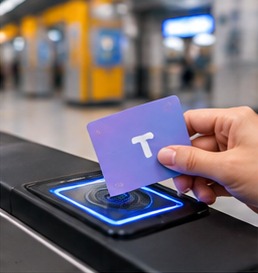
Single subway tickets are slower to buy and cost more. A rechargeable card such as T-money works on subways, buses and many taxis, and gives free or cheap transfers between them within a time limit. Buy and top it up with cash at any convenience store. Our transit card guide explains the options, including cards you can top up by credit card.
6. Forgetting to tap out on the bus
On city buses you tap your card when you get on and again when you get off. If you skip the second tap, the system cannot give you the transfer discount on your next ride, and on some routes you pay the maximum fare. Get off at the middle or rear door and tap the reader beside it.
7. Trying to see too much in one day
Seoul is huge, and crossing it by subway can take an hour. Group sights by area, as in our 3-day Seoul itinerary: palaces and Bukchon in one morning, Myeongdong and Namsan in one evening. You will see more and spend less time underground.
8. Sitting in the priority seats
Seats at the ends of each subway carriage are for older people, disabled passengers and pregnant women, and the pink seats in the middle are kept for pregnant women. Locals usually leave them empty even when the train is packed, so do the same.
9. Missing the last train
The subway stops running around midnight, earlier on some lines and at weekends. After that, taxis in Hongdae, Gangnam and Itaewon are in high demand. Check the last train on your map app before a late night out, and have a taxi app ready; see our taxi app guide.
Sightseeing
10. Turning up at a closed palace
Gyeongbokgung Palace closes on Tuesdays, while Changdeokgung, Changgyeonggung and Deoksugung close on Mondays. Many museums also close one day a week. Closing days and hours can change, so check the official site or Naver Map the day before. Wearing a hanbok gets you into the main palaces free, which is a pleasant bonus rather than a reason to rent one.
11. Expecting to walk into everything
The Changdeokgung Secret Garden tour, temple stays, popular cooking classes and well-known restaurants can sell out, sometimes weeks ahead in spring and autumn. Book the two or three things that matter most to you, and leave the rest of the day loose.
Eating and shopping
12. Arriving in the afternoon break
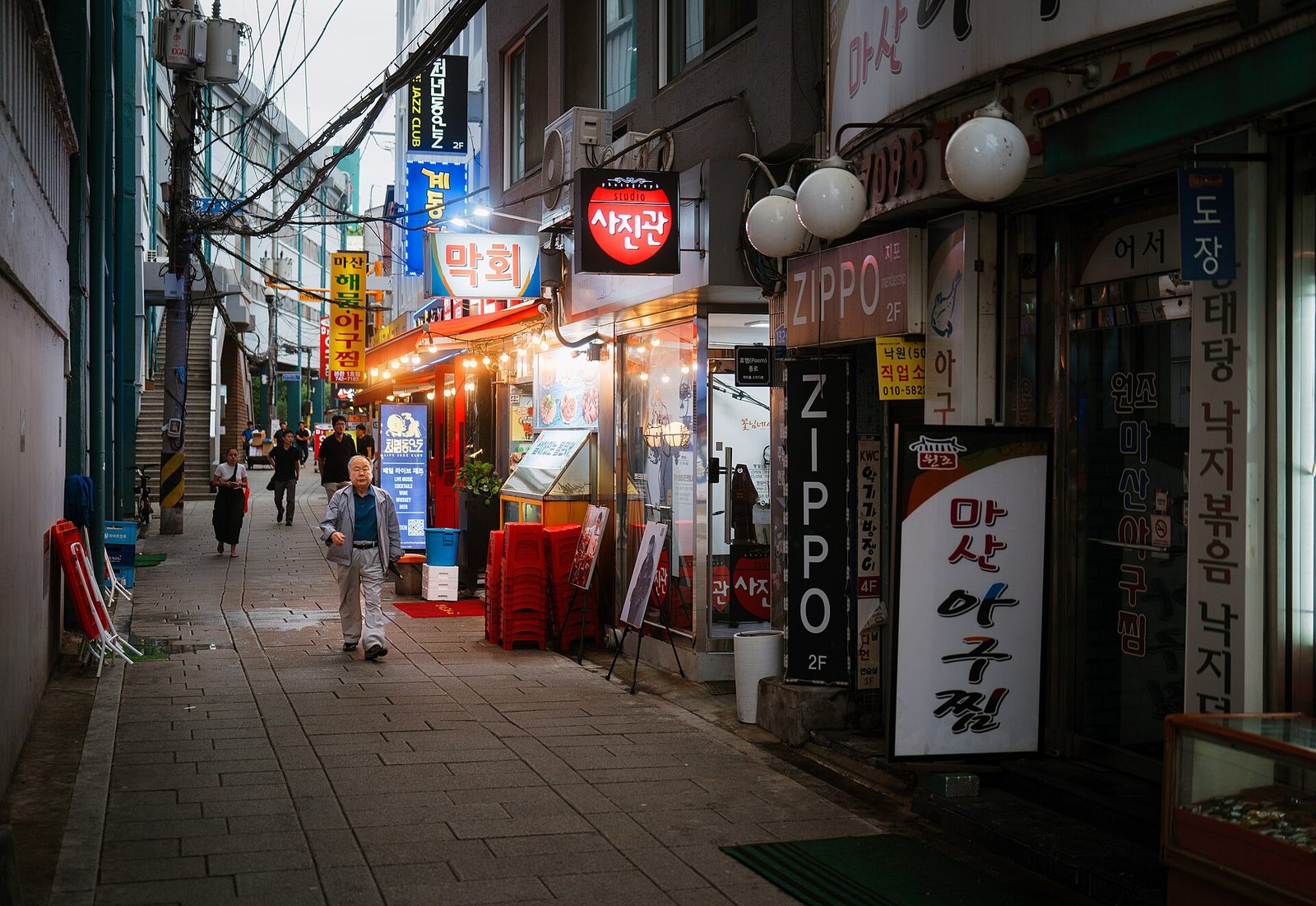
Many restaurants close between lunch and dinner for "break time", often somewhere between 3pm and 5pm. Others shut on one weekday. Eat lunch a little earlier, or check the place on a map app before you walk across town for it.
13. Waiting at the table for the bill
In most Korean restaurants you pay at the counter by the door on your way out; staff will not bring the bill unless you ask. Many places now have a tablet on the table for ordering, and some ask you to order at a kiosk first. See how to order Korean food.
14. Carrying no cash at all
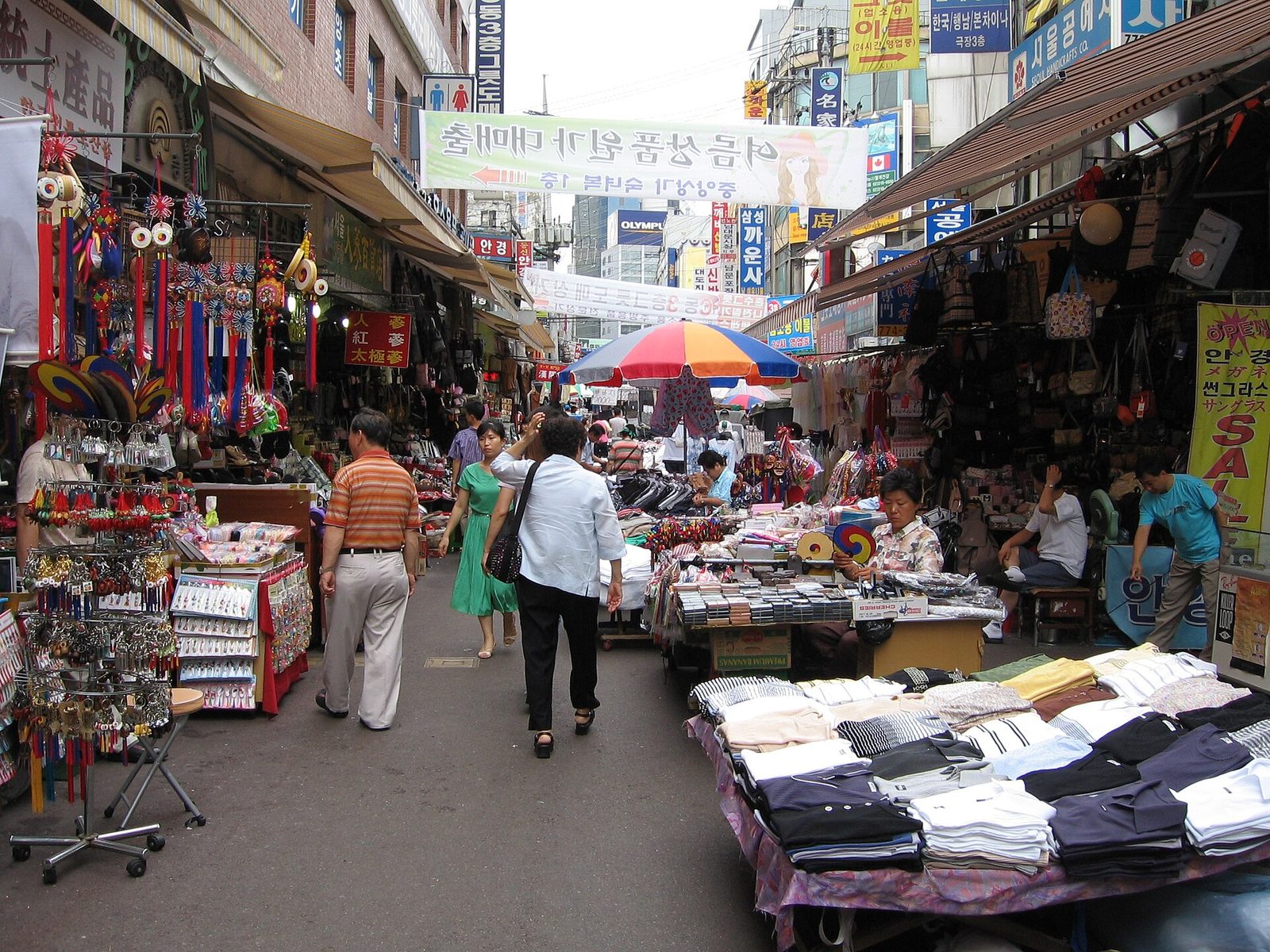
Cards work almost everywhere, including taxis and convenience stores, but traditional markets, street food stalls and some small shops prefer cash. Keep a small amount in notes, and use a global ATM at a convenience store or bank if you need more. See cash, cards and payments.
15. Forgetting about tax refunds
Visitors can claim back tax on qualifying purchases at shops showing a Tax Free sign, as long as you spend over a minimum amount in one shop. Many shops take the refund off at the till. Carry your actual passport, not a photo of it, whenever you plan to shop; our tax refund guide has the details.
Everyday etiquette
16. Ignoring the rubbish rules, or tipping
Public bins are scarce, and what bins there are sort rubbish into general waste, plastics, cans and paper. Carry a small bag and empty it at your hotel or a convenience store. Tipping, on the other hand, is not expected in restaurants, cafes or taxis, and can cause confusion; a simple "gamsahamnida" (thank you) is enough. See our recycling guide.
A quick checklist for your first day
- Naver Map or KakaoMap installed, with your hotel saved.
- Mobile data working, and a translation app such as Papago ready.
- A T-money or similar transit card, topped up.
- Some cash in small notes, plus a card that works abroad.
- Passport with you if you plan to shop.
- Palace and museum closing days checked for the week.
FAQ
Does Google Maps work in Korea?
Partly. Place search and public transport routes work, but walking and driving directions have been limited for years. Google received conditional approval in 2026 to improve this, but until full directions are live, use Naver Map or KakaoMap alongside it.
What is the most useful South Korea travel tip for first-timers?
Set up your phone before you arrive: data, a Korean map app and a translation app. With those three, the subway, buses, menus and taxis become easy, and most other mistakes on this list are simple to avoid.
Do I need cash in Korea?
Only a little. Cards are accepted almost everywhere, but markets, street food stalls and topping up some transit cards often need cash. Withdraw a small amount at a convenience store ATM when you arrive.