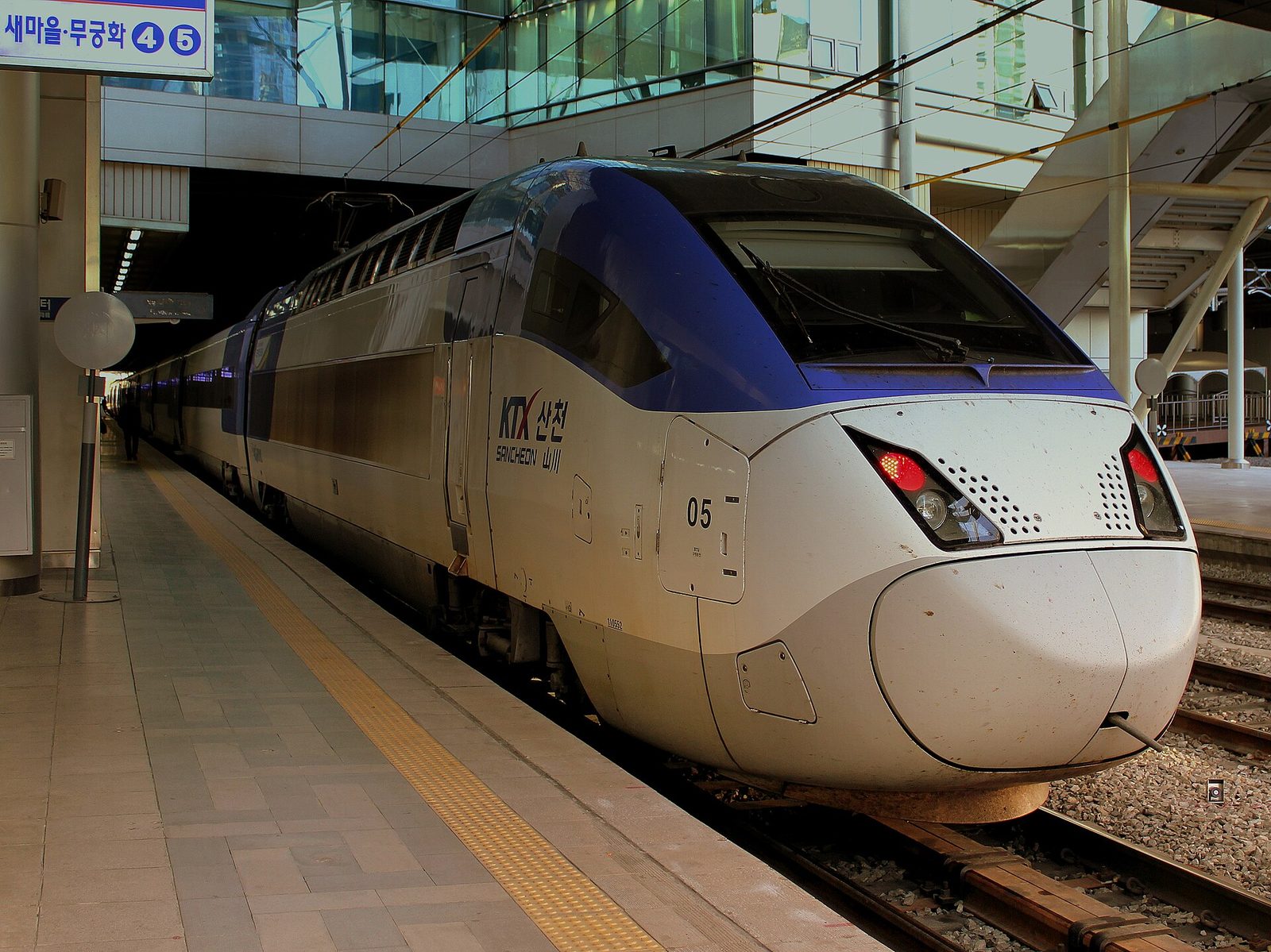
The KTX is Korea’s high-speed rail service, connecting major cities such as Seoul, Daejeon, Daegu, Busan and Gwangju. It is a convenient option for longer journeys, but a smooth trip depends on booking the right train and going to the right station. Use this guide to plan your journey, keep your ticket ready and find your seat.
Choose your route and station
Start by checking the full station names for both ends of your trip. Seoul has more than one station served by KTX trains. Many trains to Busan leave from Seoul Station, while some routes or services use other stations, such as Yongsan. Your ticket will show the departure station, so do not assume that every train leaves from Seoul Station.
Check the arrival station too. Some destinations have more than one rail station, and the best one depends on where you are going next. For example, a station outside a city centre may be less convenient for your hotel than a central station. Look up the station on a map and consider how you will continue by subway, bus, taxi or local train.
Make sure you are booking a KTX service, not a different high-speed train. SRT is a separate service with its own tickets and stations. Search for the exact route and departure time you need rather than relying on a general search for “high-speed train.”
Where to book
For KTX, use Korail’s official website or the KorailTalk app. Check that you are using the official service, and select an English-language option if available. You can also ask at a station ticket counter or use a ticket machine. Machines may have an English-language setting, but buying online in advance can make the process easier, particularly when you have a fixed schedule.
Enter your departure station, destination, date and number of passengers. Review the results carefully: trains may leave at similar times, and the journey length can differ. Select a train that fits your plans, then follow the payment and ticket instructions on the booking service. Booking availability and the date on which tickets go on sale can vary, so check the official schedule for your travel date. Popular travel periods can be busy; book as early as the booking system allows if you need a particular departure.
Before paying, check the date, time, stations, passenger count and fare details. If you are travelling with children or need a particular type of seat, read the options shown during booking. Seat choices can depend on availability. If the train you want is full, look at nearby departure times or check again later for changes.
Keep your ticket easy to find
After booking, save the ticket or reservation details somewhere you can access without searching through email at the station. Follow the instructions in the app or confirmation message about what to show when travelling. Ticket formats can differ, so do not assume that every booking uses the same kind of QR code or paper ticket. If you are unsure, ask Korail staff before boarding.
If you buy at a station, keep the printed ticket with you. Check that the printed departure time and stations match your plans before leaving the counter or machine. If you need to change or cancel a booking, use the service where you purchased it and check its current rules and any applicable fees. Conditions can depend on the ticket and how close you are to departure.
At the station
Arrive with time to find the correct station entrance, check the departure boards and locate your platform. As a practical buffer, aim to be at the station around 20 to 30 minutes before departure, especially if you have luggage or have not visited before. Large stations can be busy, and the station name on a map may refer to a large complex rather than a particular platform.
Look for your train on the electronic departure boards. Match the destination and departure time to your ticket, then check the platform information. Platform numbers can change, so check the boards again rather than relying only on a screenshot taken earlier. Follow signs to the platform and check the train’s destination display before you board.
At the platform, find the car number and seat number printed on your ticket. Board the matching car and place your bags where they will not block the aisle or doors. Larger bags may need to go in a luggage area or another suitable space; keep valuables and essential items with you. If your seat is occupied, first check that you are in the right car and seat, then politely show the other passenger your ticket or ask staff for help.
During the journey
Keep your ticket or booking information available in case it is checked. Listen for announcements and watch the station displays as your stop approaches. If you are unsure which stop is yours, use the route shown in your booking or ask a staff member. Do not get off just because the train pauses at a station; check the station name against your destination.
For a more relaxed trip, use the restroom before boarding if you prefer, keep water and any needed medication in your bag, and have your onward directions ready. Mobile signal or access to your booking may not be convenient at every moment, so saving key details in advance is useful.
Quick checklist
- Confirm the exact departure and arrival stations.
- Book through Korail’s official website, app or a station ticket service.
- Check the date, time, passenger details and seat information before paying.
- Save your ticket instructions and arrive early enough to find the platform.
- Match the train, car and seat to your ticket before boarding.
Frequently Asked Questions
Should I book my KTX ticket in advance?
Booking ahead is a good idea if you need a particular departure time or are traveling on a busy date. KTX tickets are for specific trains, and popular departures may have limited seats available. If your plans are flexible, check other departure times before choosing.
How do I know where to sit on the train?
Check your ticket for the train number, car number, and seat number. KTX tickets generally have assigned seats, so follow the signs on the platform to find your car and board at the matching location. If anything is unclear, ask station staff for help.
What should I do if I miss my KTX?
Do not assume your ticket can be used on another train. Check the ticket conditions and speak with station staff or the ticket office as soon as possible; they can explain the options for your booking. Keep your ticket details handy when asking for help.