Korea is a very card-friendly country, so you need less cash than you might think. Still, a little Korean won is handy for street food, markets, topping up a transit card and the odd small shop. Here is where to change money, how to avoid a poor rate and what to do with what is left at the end.
The short answer
- Change only a small amount at the airport if you want cash on arrival.
- For better rates, use a licensed money changer in the city, especially in Myeongdong, or a bank.
- Bring US dollars, euros, Japanese yen or Chinese yuan in clean, larger notes if you plan to exchange cash.
- Or skip exchange altogether and use a global ATM with a card that has low foreign fees.
Your options compared
Airport banks
The bank counters at Incheon and Gimpo are open long hours and are safe and simple, but their rates are usually worse than in the city. Change just enough for your first day or two: your transit card, a snack and a taxi if you need one. See our Incheon Airport to Seoul guide.
Banks in the city
Any major bank branch can exchange money on weekdays during office hours. Rates are fair, though not always the best, and you may need to take a ticket and wait. Bring your passport.
Licensed money changers
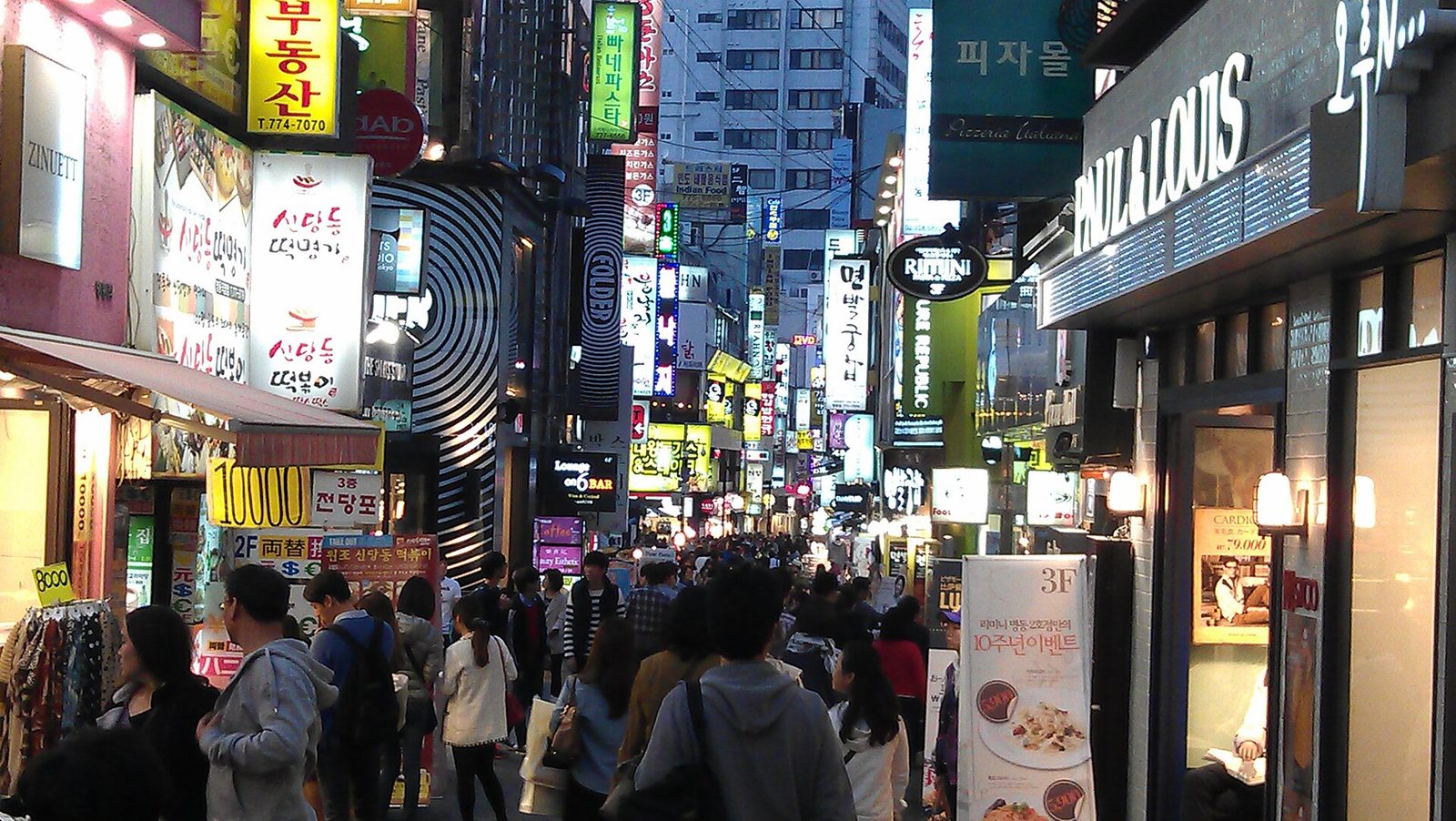
Private, licensed exchange offices in tourist areas, above all Myeongdong in Seoul, often give the best rates for major currencies. They display their buy and sell rates on boards outside, so you can compare a few on the same street. Count your money at the counter and keep the receipt. Only use shops that look official and show their rates; avoid anyone offering to exchange money on the street.
Exchange kiosks and travel cards
Some travel cards aimed at visitors, such as WOWPASS, combine a prepaid payment card with a transit card. You load them by exchanging foreign cash at their kiosks in the airport, central stations and tourist areas, then pay by card in shops. Check the current fees and where you can withdraw leftover won before you rely on one. See our transit card guide.
ATMs
Instead of carrying cash from home, you can withdraw won from ATMs marked "Global" or "Foreign card", found in convenience stores, subway stations and banks. Your bank and the ATM may both charge a fee, so take out larger amounts less often. Our Korean ATM guide explains how.
Getting a good rate
- Bring a major currency. US dollars, euros, yen and yuan get the best rates; less common currencies get poor rates or may not be accepted.
- Bring larger, undamaged notes. Small notes and torn or marked notes often get a worse rate or are refused.
- Compare the "we buy" rate, the one that applies when you sell your currency, and ask if there is any fee.
- When paying by card, choose won. If a card machine asks whether to pay in your home currency, say no; the conversion rate is usually poor. Our cash and cards guide explains this.
How much cash do you need?
Less than most people expect. Cards work in nearly all shops, restaurants, taxis and hotels. Keep cash for market stalls, street food, some small restaurants, transit card top-ups (which usually need cash) and emergencies. Many travellers find a small amount per day is plenty; our budget guide gives a feel for daily costs.
Leftover won
- Spend it at the airport on snacks, gifts or duty-free, or use it to pay part of a bill.
- Change it back at an airport bank before you fly. Keep your exchange receipts, as they can make changing money back easier.
- Coins usually cannot be changed back abroad, so spend them first.
Shopping a lot? Don't forget to claim back VAT; see our tax refund guide.
FAQ
Where is the best place to exchange money in Seoul?
Licensed money changers in Myeongdong usually offer the best rates for major currencies. Compare the boards outside a few shops and keep your receipt.
Is it better to exchange money in Korea or at home?
Usually in Korea, at a city money changer or bank, for major currencies like US dollars, euros and yen. Airport rates are weaker, so change only a little there.
Do I need cash in Korea?
Only a little. Cards are accepted almost everywhere, but cash helps at markets, street stalls and for topping up transit cards.