Seoul and Busan are Korea's two biggest cities, and most first trips include one or both. They are less than three hours apart by fast train, but they feel very different. Seoul is the huge, busy capital, full of palaces, shopping streets and neighbourhoods to explore. Busan is a port city on the sea, with beaches, hillside villages and seafood markets, and a more relaxed pace. Here is how to decide where to spend your time.
The short answer
- Only a few days? Stay in Seoul. You land at Incheon, it has the most to see, and you will not lose time travelling.
- A week? Do both: about four or five days in Seoul and two or three in Busan.
- Ten days or more? Add Gyeongju, the old royal capital, which sits neatly between the two.
- Love the sea, seafood and a slower pace? Give Busan more time than most people do.
Seoul at a glance
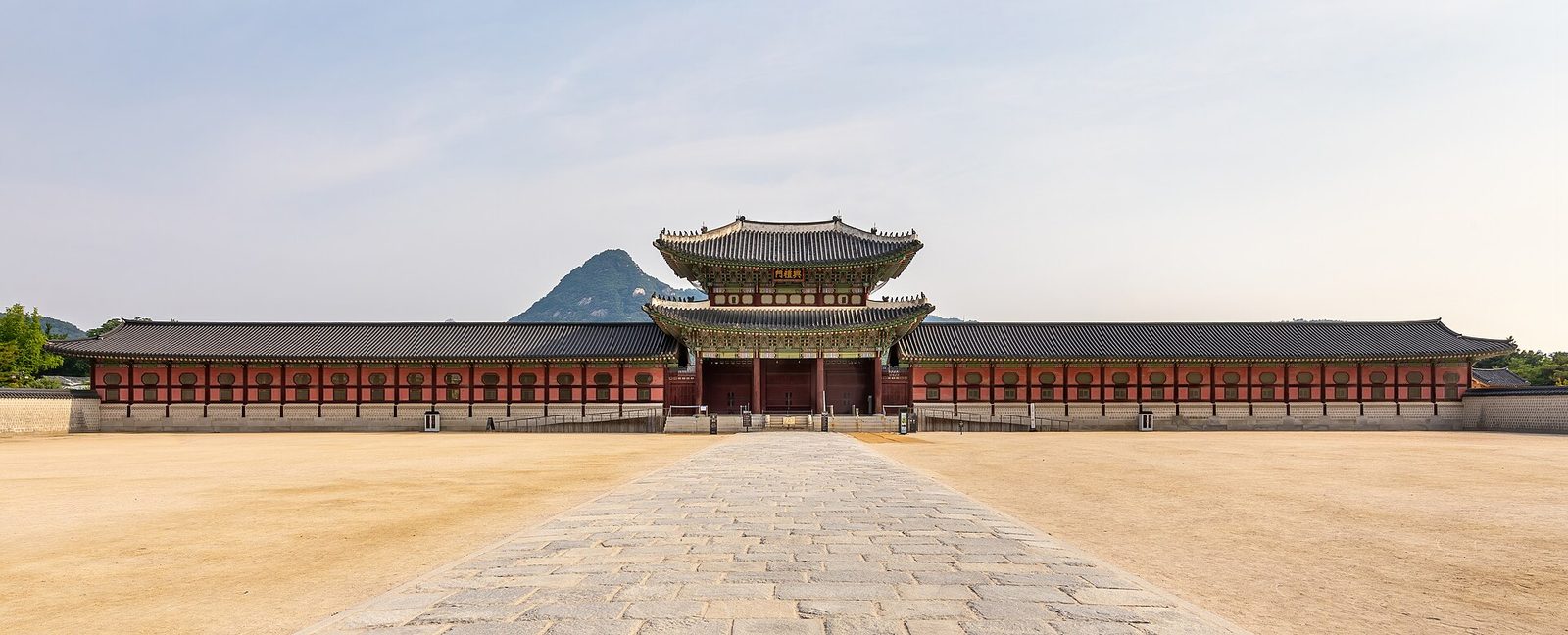
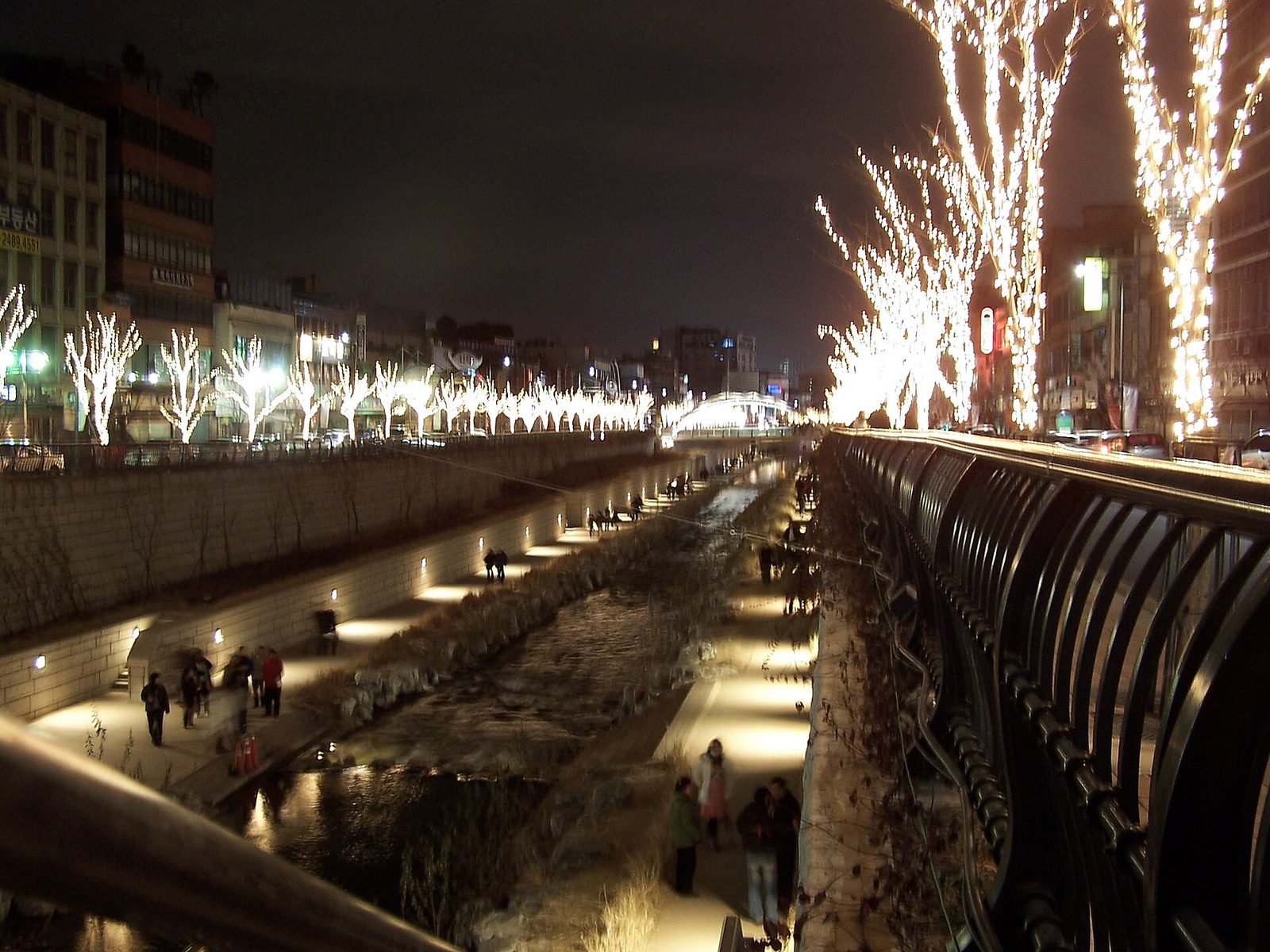
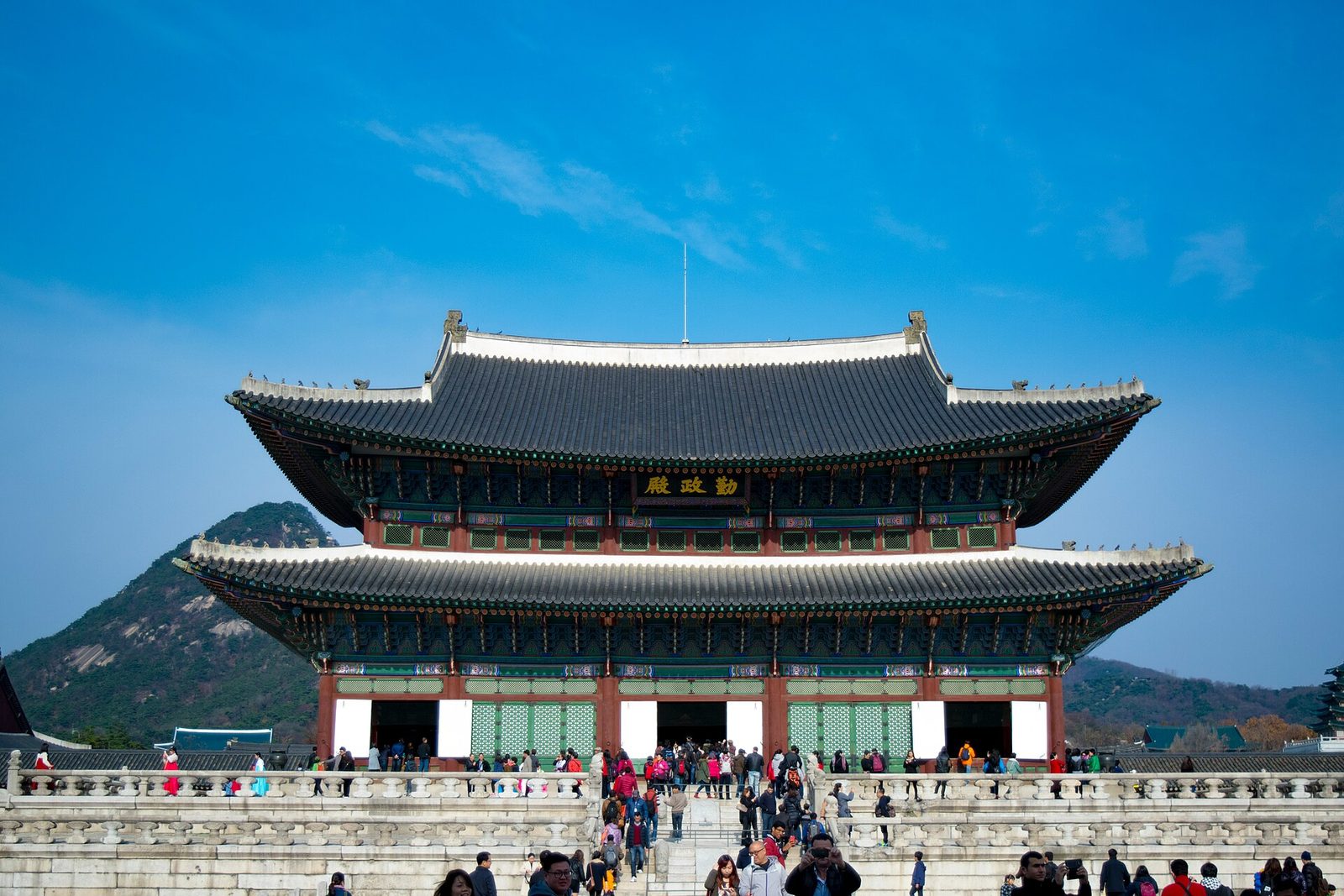
Seoul is where Korea's history, pop culture and city life meet. You can walk through Joseon-era palaces in the morning, browse a traditional market at lunch and spend the evening in a lively student area. It has the widest choice of food, cafés, shopping and day trips, including the DMZ and the hanok villages. The subway reaches almost everywhere. The downside is scale: it is a city of millions, sights are spread out, and the busiest areas are crowded. Our first-time Seoul guide and 3-day Seoul itinerary are good starting points.
Busan at a glance
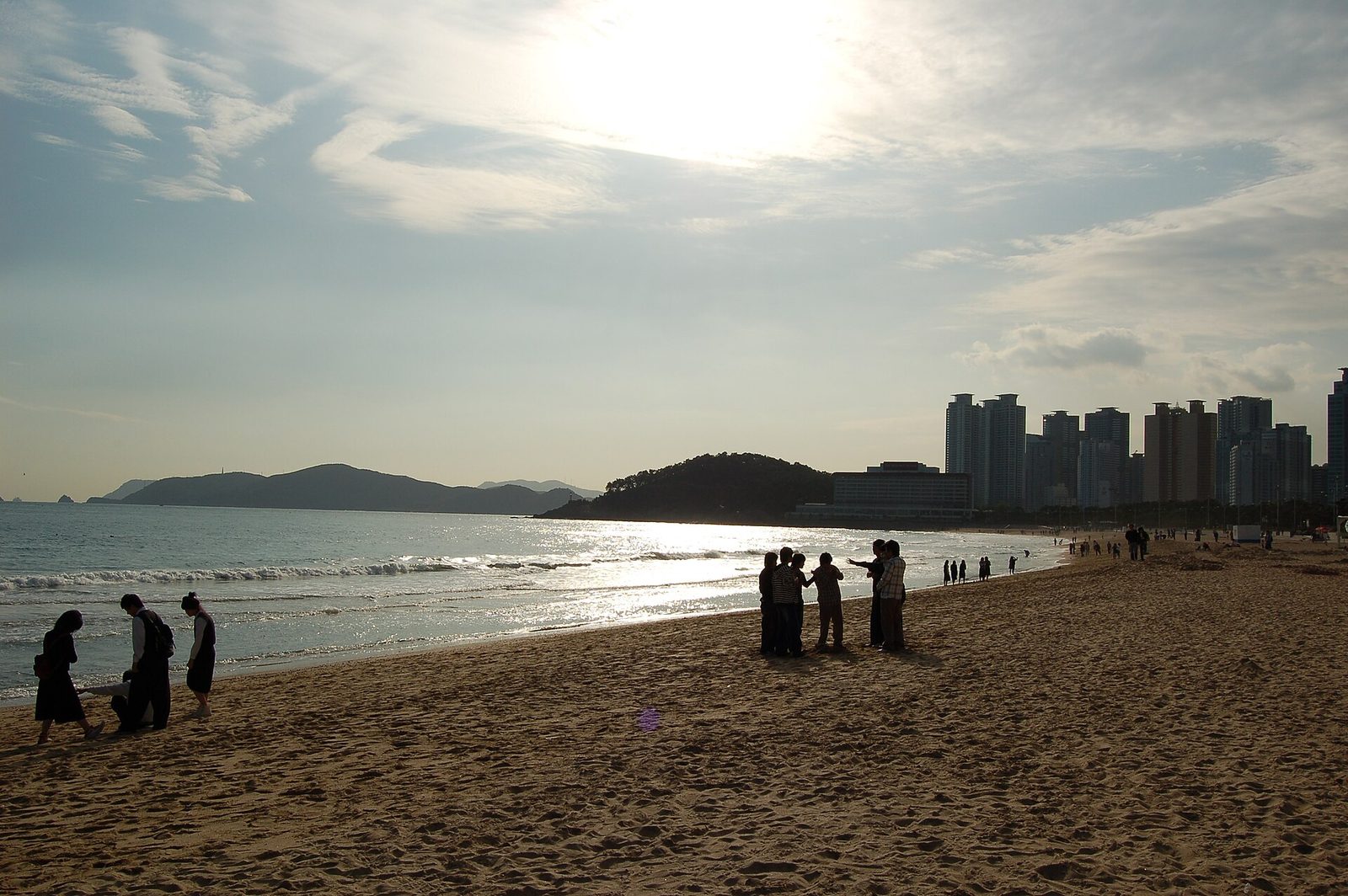
Busan stretches along the coast between mountains and the sea. Its highlights are beaches like Haeundae and Gwangalli, the seaside temple of Haedong Yonggungsa, the colourful Gamcheon Culture Village on a hillside, and Jagalchi fish market. Evenings by the water, with the lit-up Gwangan Bridge, are a big part of the appeal. It is smaller and calmer than Seoul, a little milder in winter, and great for seafood. Sights are spread along the coast, so you will use the subway, buses and the odd taxi. See our Busan guide and Busan one-day itinerary.
Side by side
- Sights: Seoul has palaces, museums and the most variety; Busan has the coast, temples by the sea and viewpoints.
- Food: Seoul has everything; Busan is known for fresh seafood, pork soup (dwaeji gukbap) and wheat noodles (milmyeon).
- Pace: Seoul is fast and crowded; Busan is more laid-back.
- Weather: both have four seasons, but Busan is usually a few degrees milder in winter. Summer is the beach season there, and the busiest.
- Costs: similar overall. Busan hotels by the beach cost more in summer; Seoul hotels in central areas cost more all year. Our budget guide has rough daily costs.
- Getting around: both have good subways, and the same transit card works in both cities. See our transit card guide.
Travelling between them
The KTX fast train runs from Seoul Station to Busan Station in roughly two and a half to three hours, many times a day. Book ahead for weekends and holidays; see our KTX guide. Domestic flights from Gimpo are quick in the air but take about as long door to door. Express buses are cheaper but slower.
A simple plan is to fly into Incheon, start in Seoul, take the KTX to Busan and fly home from Gimhae airport in Busan if your airline allows it, so you never backtrack. Check open-jaw tickets when you book.
Sample splits
- 5 days: 4 days Seoul, or 3 days Seoul and 2 days Busan if you are happy to move once.
- 7 days: 4 days Seoul, 3 days Busan. See our 7-day Korea itinerary.
- 10 days: 4 days Seoul, 2 days Gyeongju, 3 days Busan, plus a buffer day. See our 10-day itinerary.
Still not sure which city suits you? Try our which Korean city quiz.
FAQ
Is Seoul or Busan better for a first trip to Korea?
Seoul, if you can only pick one: it has the most to see and is where most international flights arrive. Add Busan if you have a week or more.
How long does it take to get from Seoul to Busan?
About two and a half to three hours by KTX train from Seoul Station to Busan Station.
How many days do I need in Busan?
Two or three days covers the main beaches, Gamcheon Culture Village, Haedong Yonggungsa and the markets without rushing.