Seoul shopping is not all in one place. Some areas are best for skincare and cosmetics, while others are known for independent fashion, traditional crafts or late-night market browsing. On a first trip, choose districts that match what you want to buy, then group nearby stops to avoid spending the day crossing the city. Here is what to expect, how to get there and what to look for.
Myeongdong: skincare, cosmetics and easy souvenirs
Myeongdong is a convenient first stop if you want Korean beauty products, street snacks and familiar international brands in one walkable area. Take Line 4 to Myeong-dong Station, or Line 2 to Euljiro 1-ga Station. The busy shopping streets sit between the two. Olive Young has several branches here, and the area is useful for comparing sheet masks, sunscreen and travel-size products. Check ingredients and packaging if you have allergies, and ask staff whether a product is suitable for your skin type.
Food stalls sell snacks such as hotteok, a sweet filled pancake, and tteokbokki, spicy rice cakes. Prices and stall offerings can change, so carry some cash as well as a card. Myeongdong is busy, especially around the main shopping streets, so keep your bag zipped and step aside before checking your map. Look for a “Tax Refund” sign at participating shops and ask at checkout whether they offer an immediate refund or provide a receipt for an airport refund.
Hongdae: young fashion, accessories and music
Hongdae suits shoppers looking for affordable clothes, phone accessories, cosmetics and small gifts. Take Line 2, the Airport Railroad Express (AREX) or the Gyeongui-Jungang Line to Hongik University Station. The main shopping streets are close to the station, while the lanes toward Yeonnam-dong have cafés and smaller design shops. AK Plaza Hongdae is a useful landmark for finding fashion, character goods and food under one roof.
Independent stores often have a different selection from the big chains, so browse before buying if you are comparing prices or sizes. Korean clothing sizes may not match the labels you use at home; trying things on is the safest approach, and some shops may have fitting-room rules. In the evening, you may see performers near the station and along the busy streets. Keep shopping separate from your café stop: Yeonnam-dong’s quieter lanes are better for sitting down after the crowds.
Seongsu: pop-up stores, design and cafés
Seongsu is a good choice for visitors interested in fashion labels, beauty launches and Korean design rather than bargain hunting. Ride Line 2 to Seongsu Station. The surrounding former industrial area has brick warehouses converted into cafés, showrooms and shops, and temporary pop-up stores are a major draw. A store may be open for a limited campaign, so check its current listing before making a special trip.
Some pop-ups use numbered entry or an online waiting list, particularly when a popular brand is involved. If you see a queue, ask staff whether you need to register before joining it. This area is easy to explore on foot, but the shop you want may be several blocks from the station. Wear comfortable shoes, and leave room in your schedule for a coffee stop; Seongsu is as much about browsing and atmosphere as completing a shopping list.
Dongdaemun: malls, fashion and the DDP
Dongdaemun works well if you want several large shopping buildings close together. Use Line 2, 4 or 5 to reach Dongdaemun History & Culture Park Station, beside the curved Dongdaemun Design Plaza (DDP). The DDP is a helpful landmark and often hosts exhibitions or design events. Nearby malls such as Doota offer clothes, accessories and food, though each building has its own mix of shops.
Do not assume every Dongdaemun store is a wholesale outlet or that every building follows the same schedule. Some businesses cater to retailers, and shopping arrangements vary. For a relaxed first visit, browse the public-facing malls and the DDP rather than planning around wholesale markets. If you are buying clothing, check whether the price includes alterations or whether an item is sold as a set. The area can be a good evening stop, but confirm the details for the particular shop you want to visit.
Namdaemun Market: practical goods and market snacks
For a traditional market atmosphere, go to Namdaemun Market near Hoehyeon Station on Line 4. Its many lanes include shops selling clothing, kitchenware, bags, children’s goods and souvenirs. It is a useful place to look for everyday items and gifts rather than high-end fashion. Sungnyemun Gate, one of Seoul’s historic gates, is a short walk away and makes a clear landmark if you want to pair shopping with a little sightseeing.
Market stalls are close together, so take a photo of the lane or shop sign if you want to return later. Food is part of the visit: try a bowl from the market’s kalguksu area, known for knife-cut noodle soup. A few basic words help: “eolmayeyo?” means “How much is it?” and “gamsahamnida” means “Thank you.” Keep small bills handy for modest purchases, and ask before photographing a seller or their goods.
Insadong: crafts, tea and Korean-style gifts
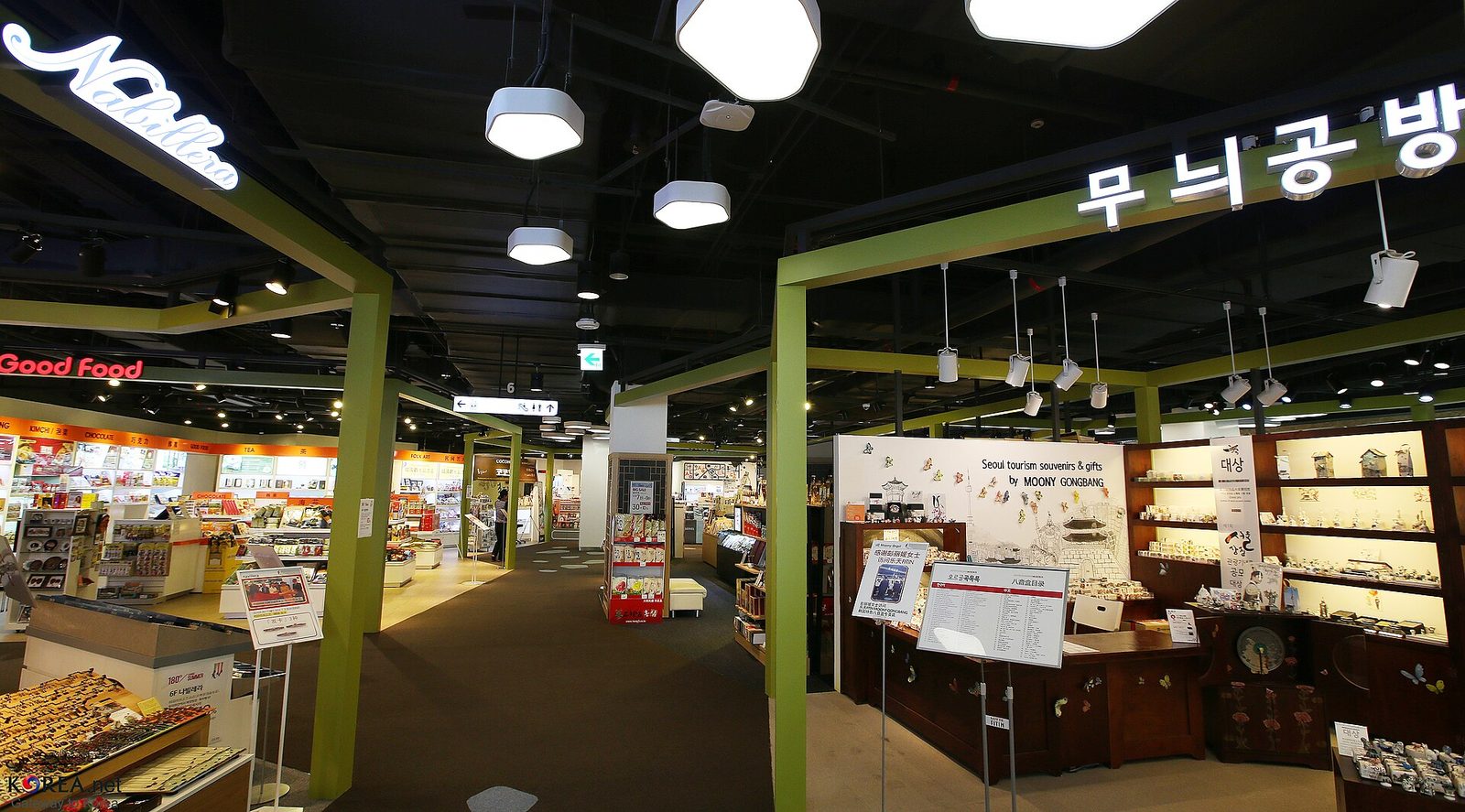
Insadong is a calmer choice for traditional-inspired gifts, stationery, ceramics and tea. Anguk Station on Line 3 is a convenient starting point. Walk along Insadong-gil and explore Ssamziegil, a multi-level complex with small shops selling handmade and design-led items. You will find more distinctive souvenirs here than in a standard department store, but compare materials and labels if you want an item made in Korea rather than simply Korean-themed.
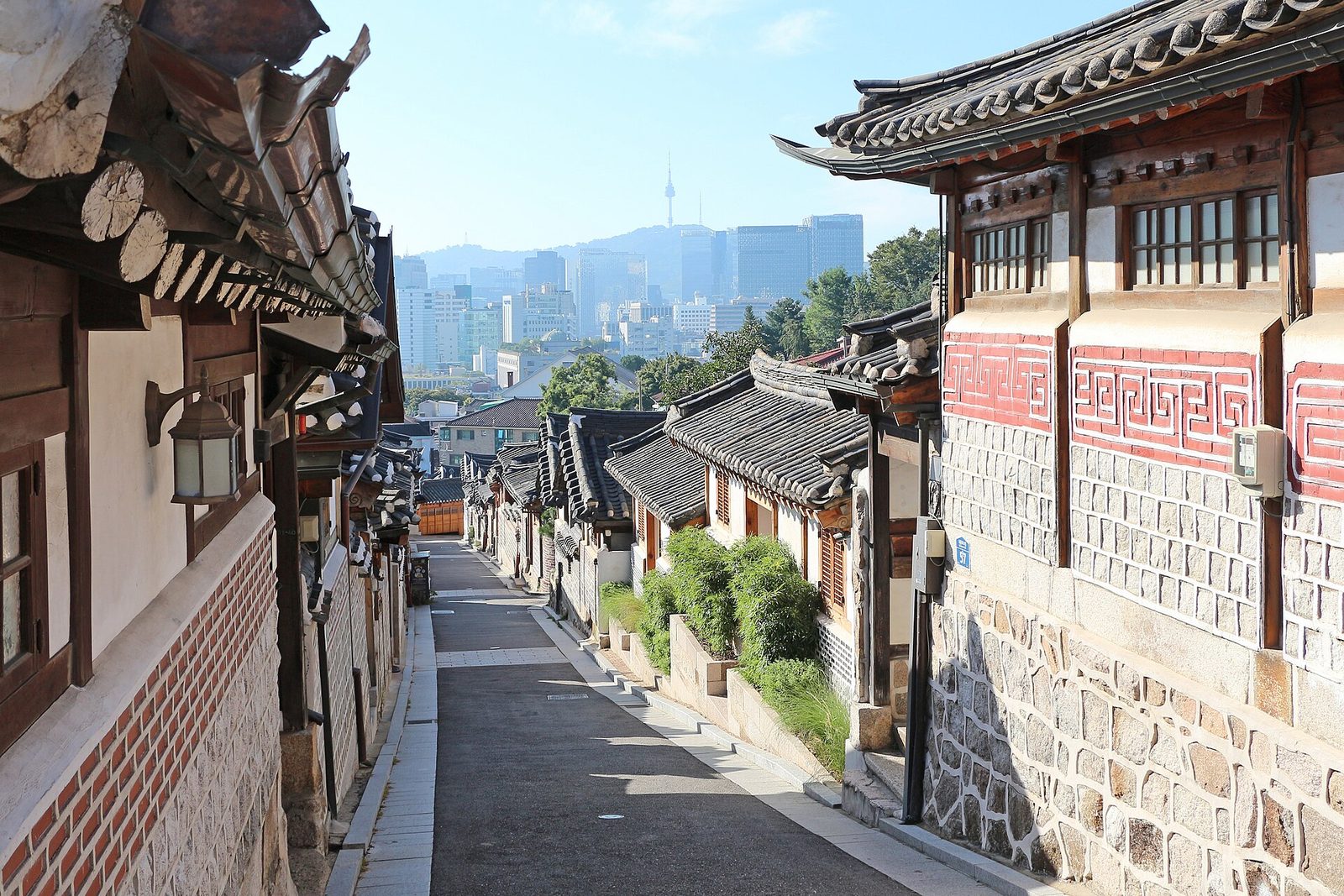
For a break, look for a tea house and try yujacha, citron tea, or sujeonggwa, a cinnamon and ginger drink. These are also good places to sit after walking through the market lanes. Insadong pairs easily with nearby Bukchon or Gyeongbokgung, but keep your shopping bags manageable if you plan to continue sightseeing on foot.
A simple plan for your first shopping day
Pick one or two areas rather than trying to cover all of Seoul. Myeongdong and Namdaemun work well together for cosmetics, souvenirs and market food. Hongdae and Yeonnam-dong make a good half-day for fashion and cafés, while Seongsu is best when you are interested in pop-ups and design. Dongdaemun is an easy choice for malls and the DDP, and Insadong suits traditional gifts.
Use a transit card for the subway and buses, and check routes in Naver Map or KakaoMap; both are widely used for navigating Seoul. Keep receipts for returns or tax-refund questions, and take a reusable bag if you expect to shop. For current pop-ups, store details and transport routes, check Naver Map or the official Visit Seoul website before you set out.
Frequently Asked Questions
How should I choose which shopping district to visit first?
Pick an area that matches what you want to browse: fashion and beauty, independent shops, traditional crafts, or larger department stores. If you have limited time, focus on one or two nearby areas rather than trying to cover the whole city. Check a map before you set out.
Is it easy to visit more than one shopping district in a day?
Usually, you can travel between districts by subway, taxi, or bus, but allow time for the journey and for walking around each area. Group nearby destinations together when planning your route. A navigation app can help you compare routes and find the nearest station.
Should I bring cash when shopping in Seoul?
Many shops accept cards, but payment options can vary, especially at smaller businesses or market stalls. Carrying a little cash can be useful for purchases where cards are not accepted. Before you shop, check whether your card works overseas and let your bank know about your travel plans if needed.