A public holiday in Korea can mean a quiet Seoul neighborhood, a packed train station, or both on the same day. The biggest difference for visitors is often whether people are travelling to see family. Plan around the major holidays, and you can avoid long waits while still enjoying special cultural events.
Know the main holiday dates
Seollal, the Lunar New Year, and Chuseok, the autumn harvest holiday, are the two biggest family travel periods. Their dates follow the lunar calendar, so they move each year. Each usually includes a three-day holiday: the day before, the holiday itself, and the day after. Many people leave Seoul for their hometowns, and transport between major cities gets busy.
Other public holidays include Independence Movement Day on March 1, Children’s Day on May 5, Liberation Day on August 15, National Foundation Day on October 3, and Hangul Day on October 9. Buddha’s Birthday also follows the lunar calendar. If a holiday falls on a weekend, a substitute holiday may apply, depending on the holiday and current rules. Check the year’s calendar before booking flights or long-distance travel.
Expect crowds on trains and roads
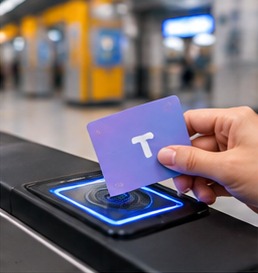
Seoul’s subway and city buses continue to serve visitors on public holidays, but routes and timetables may differ. Use Naver Map or KakaoMap for city directions, and allow extra time if you need to connect to a train. T-money cards work on public transport in Seoul and many other cities.
For trips to Busan, Gyeongju, or Jeonju, book KTX or other intercity rail as soon as tickets become available. KorailTalk is the official Korail booking app; SRT trains have a separate SRT app. Express buses are another option, with routes searchable through Kobus or TmoneyGO. During Seollal and Chuseok, popular departures can sell out, while highways out of Seoul can be very slow. Avoid planning a tight connection between an intercity bus and an international flight.
Plan for closures, especially at family-run businesses
Small restaurants, cafés, and shops may close for part or all of Seollal or Chuseok. In Seoul, you are more likely to find places open around Myeongdong, Hongdae, and inside large hotels than on a quiet residential street. Convenience stores and many chain cafés are useful backups, but individual branches set their own schedules.
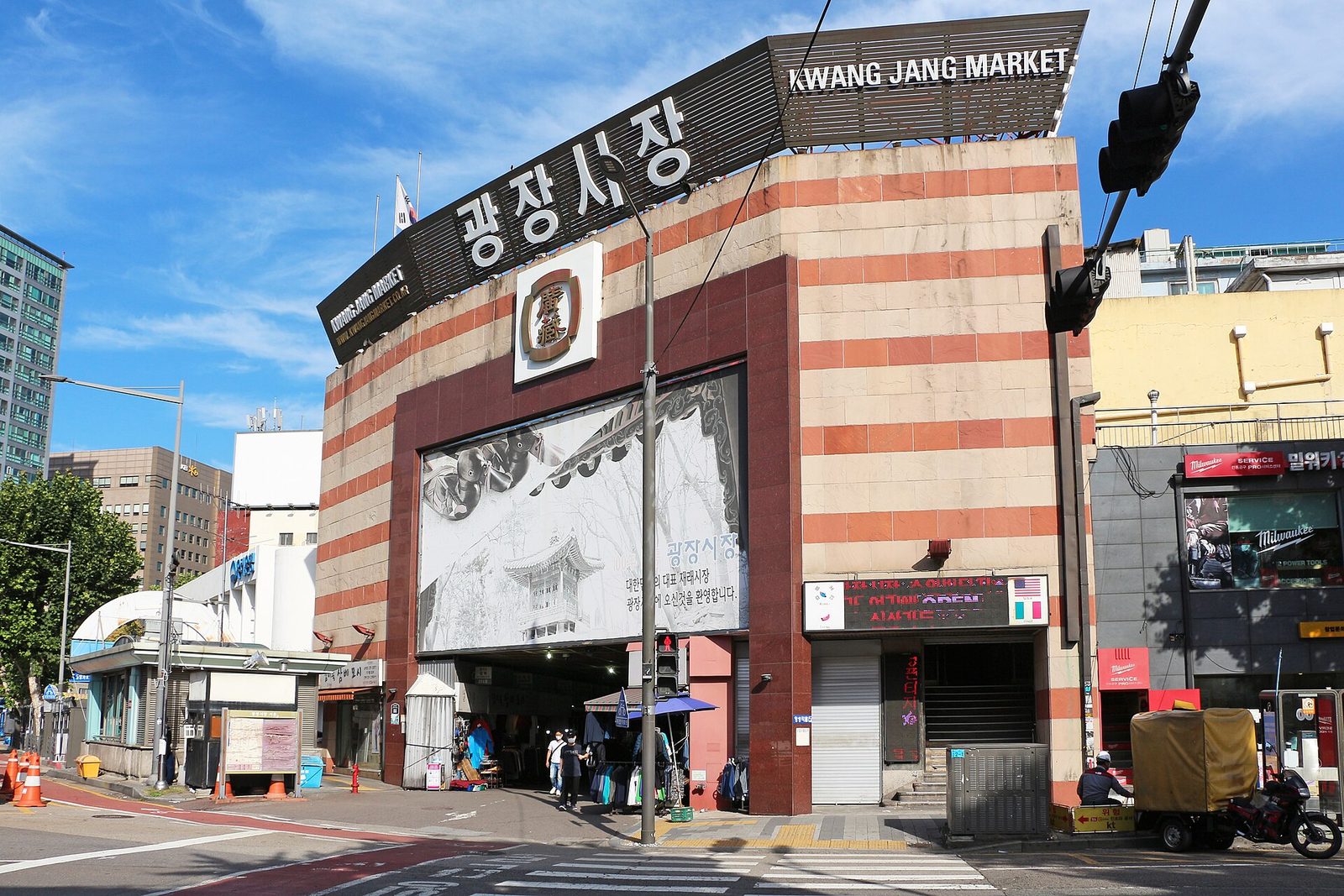
Department stores and traditional markets may also change their opening days. Namdaemun Market, near Hoehyeon Station on Line 4, is worth visiting on an ordinary day, but some stalls may take a holiday break. Look for signs such as 휴무 (closed) or 임시휴무 (temporarily closed). Naver Map listings and a business’s own notice can help you check a particular place before setting out.
Use the quieter city for culture
Some museums and cultural sites run holiday programs, while others close or adjust their schedules. The National Folk Museum of Korea, beside Gyeongbokgung Palace, is a good place to look for seasonal activities. Namsangol Hanok Village in central Seoul has also hosted traditional holiday events. Programs change each year, so check the venue’s official notice for the dates you plan to visit.
Palaces such as Gyeongbokgung and Changdeokgung can be appealing during a holiday, but do not assume every site follows the same schedule. Check the official palace or museum website before travelling across town. For a quieter walk, try the lanes of Bukchon Hanok Village early in the day, and remember that it is a lived-in neighborhood, not just a photo spot.
Enjoy holiday food and local customs
Seollal is associated with 떡국 (tteokguk), a soup of sliced rice cakes. Chuseok tables often feature 송편 (songpyeon), small half-moon rice cakes. Restaurants may offer holiday dishes, but many families eat at home, so do not count on finding a traditional set meal without checking first.
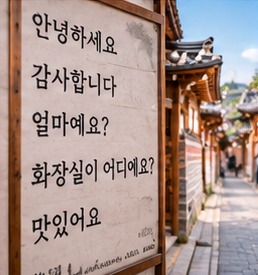
You may hear 새해 복 많이 받으세요, meaning “Wishing you lots of luck in the new year,” around Seollal. For Chuseok, 즐거운 추석 보내세요 means “Have a happy Chuseok.” You do not need to use these phrases, but recognizing them can make a greeting from a shopkeeper or hotel host easier to understand.
A simple holiday strategy
- Book intercity trains and buses early if your dates overlap with Seollal or Chuseok.
- Keep meals flexible: choose a busy shopping district or a hotel restaurant if your first choice is closed.
- Save a palace, museum, or neighborhood walk as a backup, and confirm its holiday schedule.
- For up-to-date holiday dates and visitor information, use the VisitKorea website and the relevant transport operator’s app.
With a little planning, a Korean holiday does not have to disrupt your trip. It can also give you a chance to see family traditions, try seasonal food, and experience Seoul at a different pace.
Frequently Asked Questions
How can I find out when Korean public holidays fall during my trip?
Check a current Korean holiday calendar before booking flights or accommodation, since dates can change from year to year. Seollal and Chuseok follow the lunar calendar, so their dates vary annually. It is also helpful to check whether a holiday period includes adjacent days off, as travel demand may rise around those dates.
Will shops, restaurants, and attractions be open on public holidays?
Opening arrangements vary by business and attraction. Some places may close, while others—especially visitor-oriented venues—may stay open or adjust their schedules. Banks and government offices are more likely to be affected. Check the official website or contact a place directly before making a special trip, particularly during Seollal or Chuseok.
Should I change my transport plans for a Korean holiday?
Allow extra planning time, especially if you expect to travel between cities around Seollal or Chuseok, when many people visit family. Tickets for popular routes may be in high demand, so check availability and book ahead when possible. Local transport arrangements can differ, so confirm current schedules for your route before setting out.