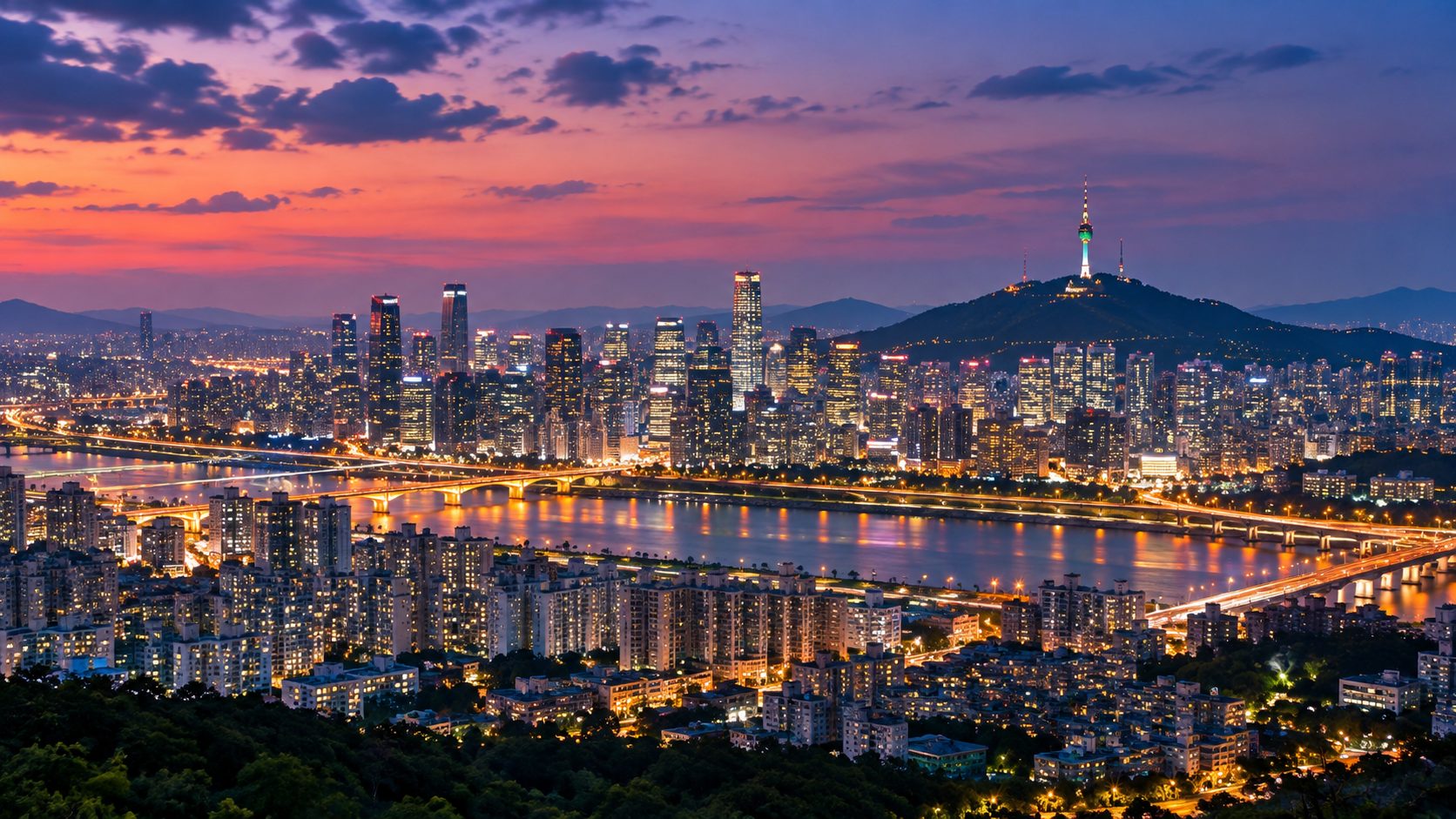
The best time to visit a Seoul attraction depends on what you want from the experience. A palace is often more peaceful early in the day, while a market can feel livelier around mealtimes. The weather also matters: spring and autumn are comfortable for walking, while summer heat and winter cold can make an indoor plan more appealing.
With a little planning, you can see popular places without rushing. Check each attraction’s current opening days and visitor information before setting out, especially around public holidays and special events. Schedules can change, and some places close on particular days.
Choose the right time of day
Go early for popular sights. Arriving near opening time can mean a calmer visit to well-known palaces and scenic areas. You will also have more time to explore before the busiest part of the day. This is especially helpful if you want photos without large groups in the background.
Use midday for indoor attractions. Museums, galleries, and shopping centers make useful stops when the sun is strong, it is raining, or you need a break from walking. If you have a specific museum in mind, check its weekly schedule and any booking guidance before you go.
Save some places for the evening. Seoul’s neighborhoods and food streets can be enjoyable after dark, when people are out for dinner and shopping. For viewpoints, consider visiting around sunset, but allow extra time for the journey and expect other visitors to have the same idea.
When to visit Seoul’s main attractions
Palaces and traditional areas
Visit Gyeongbokgung, Changdeokgung, or another palace early if you prefer quieter courtyards and a slower pace. A weekday morning is often a good choice when your schedule allows. Leave time to explore rather than treating the palace as a quick photo stop. Some palace experiences and events follow specific schedules, so check official information before planning your visit around them.
Nearby traditional neighborhoods, including Bukchon, are best explored with consideration for the people who live there. Visit during the day, keep your voice low, and follow posted guidance. These areas are not simply outdoor attractions; they are residential streets. Avoid blocking doorways or taking photos of residents without permission.
Markets and shopping streets
Markets are most useful when you visit at a time that matches your plans. Go around a meal if you want to sample prepared food, and arrive earlier if you would rather browse before the busiest period. Individual stalls may keep different schedules, so do not assume every vendor will be open at the same time.
For shopping streets and popular districts, daytime is convenient for browsing shops, while evenings can bring more energy and more people. If crowds are tiring, visit on a weekday and take breaks in a café. Keep a note of the nearest subway station so you can leave easily when you are ready.
Museums and indoor attractions
Museums are a reliable option on rainy days or during very hot and cold weather. They can also balance a trip that includes several long walks. Check whether a museum requires timed entry or advance reservations, and confirm its closing day. If you are visiting a large collection, choose a few sections in advance rather than trying to see everything at once.
Views, parks, and the Han River
For an outdoor viewpoint such as N Seoul Tower, clear weather is more important than a particular month. Haze, clouds, or rain can limit the view, so check the forecast and stay flexible. Late afternoon can offer changing light, but sunset periods may be popular. If the sky is unclear, consider visiting another day or choosing an indoor attraction instead.
Seoul’s parks and Han River areas are pleasant for a walk or picnic when the weather is mild. Spring and autumn are often comfortable seasons for spending time outside. In summer, plan outdoor activities for the cooler parts of the day, carry water, and take breaks in the shade. In winter, dress warmly and keep outdoor visits shorter if it is windy.
How the seasons affect your plans
Spring brings milder walking weather and seasonal flowers, which can make parks and palace grounds especially appealing. Popular viewing spots can be busy when flowers are at their best, and the timing varies from year to year. Check local updates rather than planning around a fixed date.
Summer can be hot, humid, and rainy. Keep your schedule flexible, bring suitable rain protection, and combine outdoor stops with indoor breaks. A short walk in the morning or evening may be more comfortable than spending the hottest part of the day outside.
Autumn is a good season for walking between neighborhoods and enjoying fall colors. Scenic areas may attract more visitors during peak foliage, so consider a weekday or an early start. The best color period changes with the weather.
Winter can bring cold conditions, but indoor sights, cafés, and shopping areas make it easy to adjust your day. Wear layers and check the forecast before planning a long outdoor route. Snow or ice can affect walking conditions, so allow extra time.
Simple planning tips
- Group nearby sights together to reduce time spent crossing the city.
- Use weekdays for popular attractions when possible, and expect more visitors on weekends and holidays.
- Check current opening information, reservation requirements, and event schedules on official attraction websites.
- Keep one flexible stop in your plan so you can adapt to rain, heat, or fatigue.
- Wear comfortable shoes. Many visits involve stairs, uneven paths, or more walking than expected.
A balanced Seoul day might begin at a palace, continue with lunch in a nearby area, include a museum or café during the warmest part of the afternoon, and end with a market or neighborhood walk. Adjust the order to the weather and your energy. The best schedule is not the one that fits in the most stops, but the one that gives you time to enjoy them.