Korean food is full of vegetables, but eating vegetarian, vegan or halal here takes a little more care than you might expect. Meat, fish and seafood hide in broths, sauces and kimchi, and many cooks do not think of anchovy stock as "meat". The good news: with a few phrases and the right apps, it is very manageable, especially in Seoul.
Where meat and fish hide
- Stock: most soups and stews use anchovy, beef or pork bone stock, even when they look like vegetable dishes.
- Kimchi: most kimchi contains fish sauce or salted shrimp.
- Side dishes (banchan): many include fish sauce, dried anchovies or small amounts of meat.
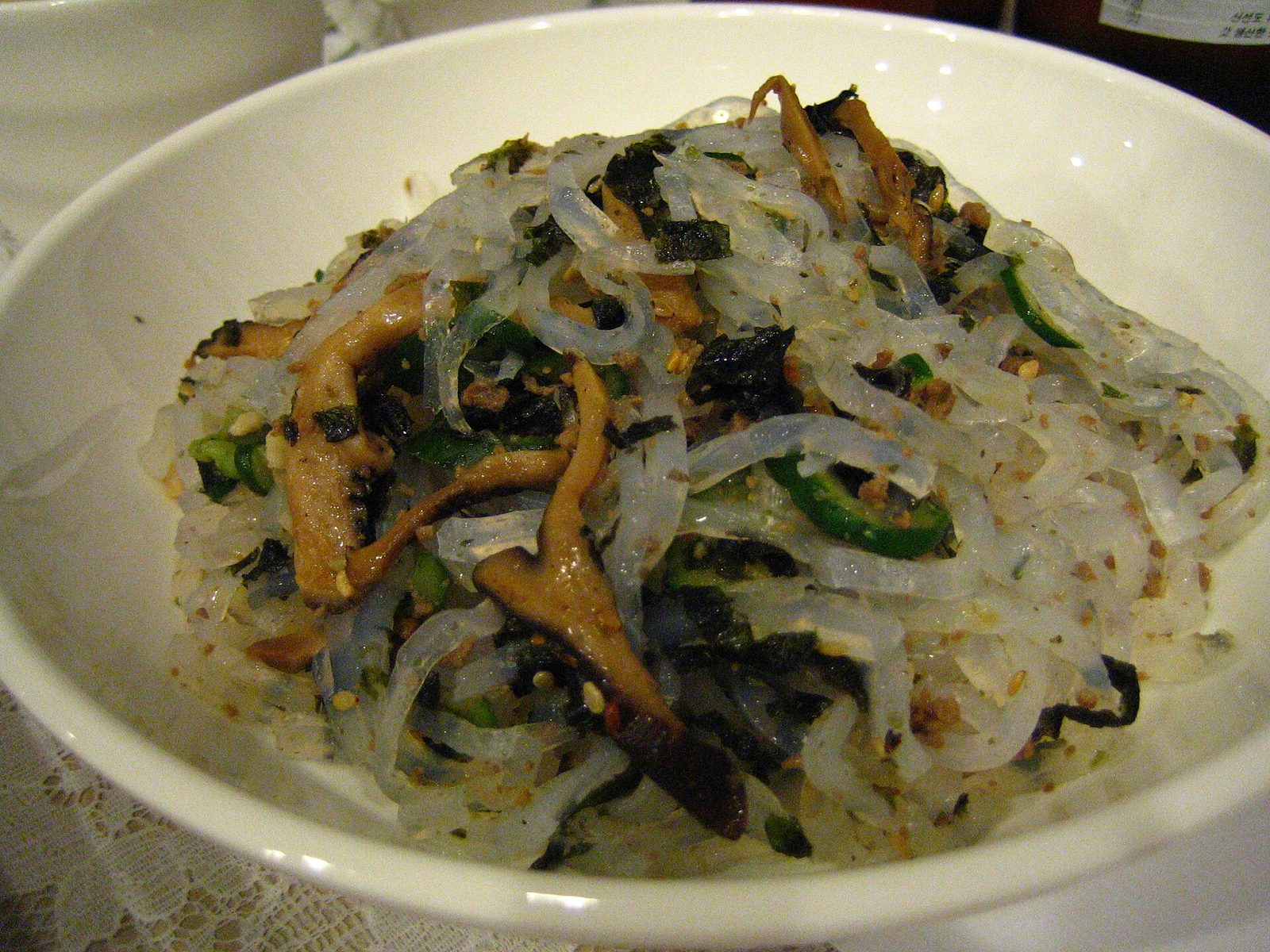
- Japchae and pancakes: glass-noodle japchae often has beef; pajeon and some mung bean pancakes may contain seafood or pork.
- Instant noodles: most ramyeon flavour packets contain animal products.
Asking "no meat" may still get you a dish with anchovy stock, so be specific about fish and stock too.
Phrases to show staff
Save these as a screenshot and show them when you order:
- 저는 채식주의자예요. (jeo-neun chae-sik-ju-ui-ja-ye-yo) I am vegetarian.
- 저는 비건이에요. (jeo-neun bi-geon-i-e-yo) I am vegan.
- 고기, 생선, 해산물 빼 주세요. (go-gi, saeng-seon, hae-san-mul ppae ju-se-yo) No meat, fish or seafood, please.
- 멸치 육수 들어가요? (myeol-chi yuk-su deu-reo-ga-yo?) Is there anchovy stock in it?
- 돼지고기 들어가요? (dwae-ji-go-gi deu-reo-ga-yo?) Is there pork in it?
For more, see our Korean phrases cheat sheet and how to read a Korean menu.
Safer choices
- Bibimbap ordered without meat (and egg, for vegans). Ask whether the sauce or any toppings contain meat.
- Vegetable gimbap (야채김밥), asking for no ham, fish cake or egg.
- Tofu dishes, though check the stock in any tofu stew.
- Street snacks such as hotteok (sweet filled pancakes) and roasted sweet potatoes. See our street food guide.
- Convenience stores for fruit, nuts, plain rice, some vegan-labelled snacks and plant-based ready meals. Our convenience store meals guide has more.
Temple food and vegan restaurants
Korean Buddhist temple food is a cuisine of its own: no meat, fish, dairy or eggs, and traditionally none of the five pungent vegetables such as garlic and onion. Several restaurants in Seoul serve temple-style set meals, including some near Jogyesa Temple in Insadong, and a temple stay includes it at every meal.
Seoul now has many vegan cafés, bakeries and restaurants, mostly in Itaewon, Hongdae, Seongsu and Gangnam. The HappyCow app lists them, and searching 비건 (vegan) or 채식 (vegetarian) on Naver Map or KakaoMap finds local places and recent reviews. Outside Seoul and the big cities, choice is thinner, so plan ahead.
Halal food
Most Korean restaurants are not halal: pork is common, and alcohol is used in some marinades and sold almost everywhere. The Korea Tourism Organization classifies Muslim-friendly restaurants into levels, which are worth knowing:
- Halal certified: certified by the Korea Muslim Federation. There are only a small number.
- Self-certified: run by a Muslim owner who serves halal food, without outside certification.
- Muslim friendly: offers halal menu items but may serve alcohol.
- Pork free: no pork, but the meat is not halal.
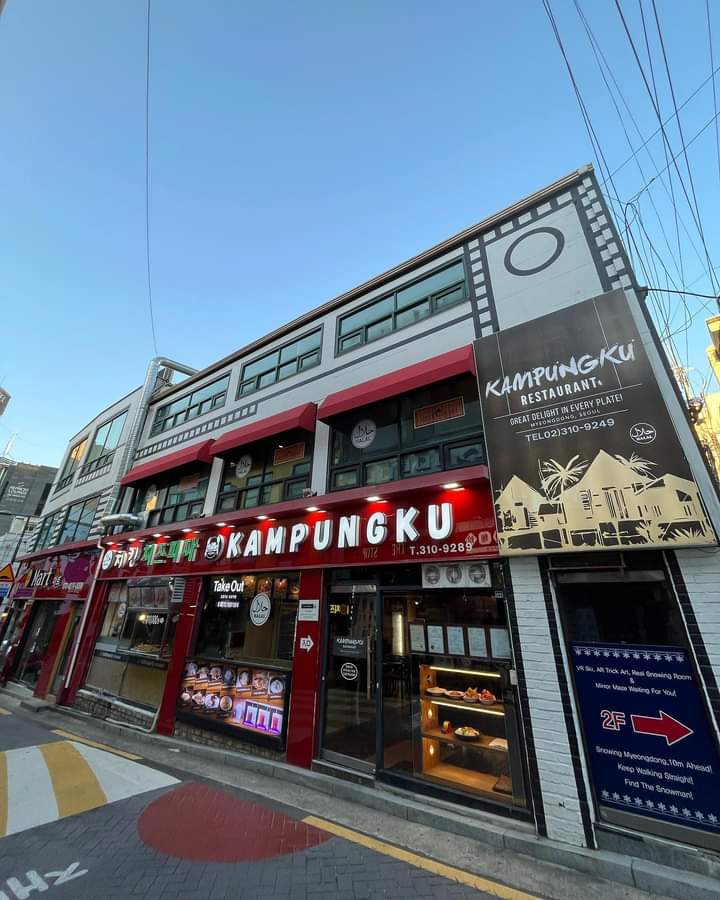
The biggest choice is in Itaewon, around the Seoul Central Mosque, with Turkish, Middle Eastern, South Asian and Malaysian restaurants as well as Korean dishes made with halal meat. Our Kampungku Restaurant guide covers one halal option near Myeongdong. Seafood and vegetable dishes elsewhere can work if you ask about pork, stock and alcohol.
Prayer rooms are found at Incheon Airport, some big shopping malls such as COEX, a few tourist information centres and some universities and hospitals. Ask at a tourist information centre or call the 1330 travel helpline for the nearest one.
FAQ
Is kimchi vegetarian?
Usually not. Most kimchi is made with fish sauce or salted shrimp. Some restaurants and shops sell vegan kimchi, often labelled 비건.
Is it hard to be vegan in Korea?
It takes some care at traditional restaurants because of fish stock and sauces, but Seoul has many vegan places, and temple food is fully plant-based.
Where can I find halal food in Seoul?
Itaewon, around the Seoul Central Mosque, has the most halal and Muslim-friendly restaurants. Check each restaurant's level: certified, self-certified, Muslim friendly or pork free.