Incheon · Local Guide
Incheon Chinatown: A Food-and-History Guide to Korea’s Open-Port District
Published
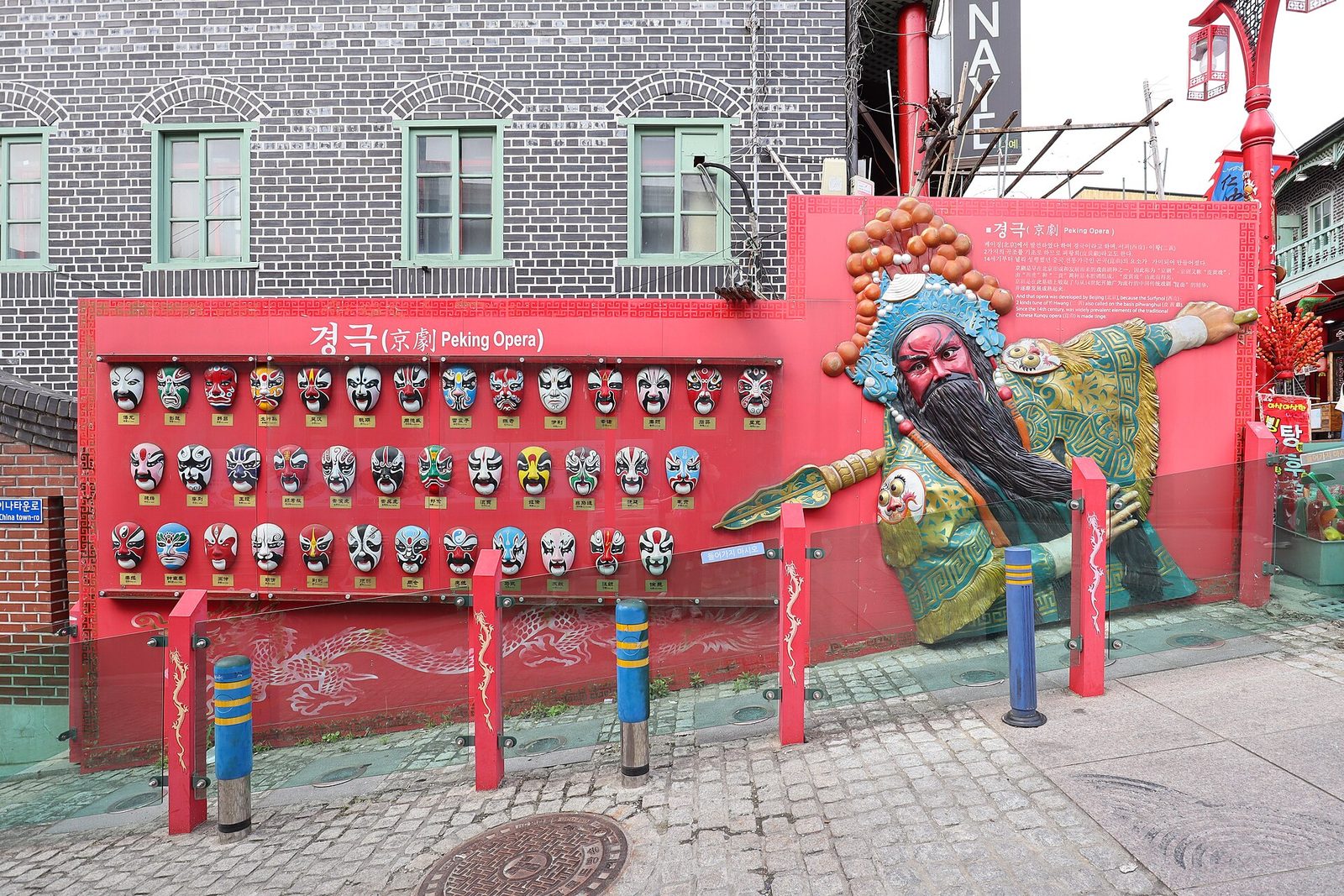
Photo: Mobius6, CC BY-SA 4.0, via Wikimedia Commons
At a glance
- Where: 12-17 Chinatown-ro 26beon-gil, Jung-gu, Incheon
- Best for: Chinese-Korean food, historic streets, and an easy pairing with Incheon’s old port district
- Google rating: 4.0/5 from 13,385 reviews
- Plan for: A leisurely walk, a meal, and time to explore the surrounding streets
Visiting Incheon Chinatown
- Region
- Incheon
- Address
- 12-17 Chinatown-ro 26beon-gil, Jung-gu, Incheon
- Google rating
- 4/5 from 13,385 reviews (October 2026)
Opening hours, prices and closures change. Check the map before you go.
Incheon Chinatown is a lively neighborhood of restaurants, shops, decorative gates, and steep side streets near the city’s historic port. It is one of the most straightforward cultural day trips from Seoul: arrive by train, cross the street from Incheon Station, and you are at the district’s main entrance. Come hungry, but leave room for more than lunch—the surrounding Open Port area and nearby park make it easy to turn a meal into a fuller afternoon.
What to expect
This is an active neighborhood, not a preserved set where every building is a museum. Its main streets are made for browsing, with Chinese-Korean restaurants, snack stalls, souvenir shops, and visual details such as red lanterns and Chinese-style decorations. The large entrance gate gives the area a clear starting point, while smaller lanes lead uphill toward murals, viewpoints, and quieter corners.
Incheon’s port opened in 1883, and the Chinatown area developed alongside the city’s early international trade and Chinese community. That history is part of the district’s appeal, though today many visitors come primarily to eat and stroll. For a more historical angle, combine the neighborhood with the nearby Open Port district, where buildings and streets reflect Incheon’s modern history.
What to eat
Chinatown is closely associated with jjajangmyeon—noodles covered in a savory black-bean sauce—and it is a natural dish to try here. Many restaurants also serve other Chinese-Korean favorites, including spicy seafood noodle soup, known as jjamppong, and sweet-and-sour pork, or tangsuyuk. Menus and styles vary by restaurant, so look at posted menus before choosing if you have dietary needs or prefer a milder meal.
Street snacks are another reason to browse rather than settle immediately at the first restaurant. The selection and availability can vary, so treat food stalls as an opportunity, not a guarantee. On busy days, popular dining spots may have queues; visiting outside the main lunch rush can make the experience more relaxed, though individual wait times are unpredictable.
How to explore the neighborhood
Start at the main gate, then follow the central street at an unhurried pace. Take side lanes when something catches your eye: some climb toward mural-covered walls and quieter viewpoints, while others bring you back toward the restaurants. The slopes and uneven sections mean comfortable shoes are a better choice than footwear intended only for flat streets.
After eating, consider walking toward Jayu Park or continuing through the Open Port area. These nearby places add green space and historical context to a visit that might otherwise revolve around food. You do not need to follow a fixed route; allow extra time if you like taking photos, reading signs, or pausing at small shops. If mobility is a concern, note that the uphill lanes may be more demanding than the main commercial street.
Getting there and planning your visit
The most direct public-transport landmark is Incheon Station. The Chinatown entrance is just across from the station, making the area easy to find once you arrive. Check a current map or transit app before setting out for route details, service changes, and the best connection from your starting point.
There is no single ideal visit length: a quick meal and a look along the main street can be brief, while lunch, side streets, and nearby historic sights can fill a more leisurely outing. Weekends and meal periods tend to feel busier than a quiet weekday stroll. Check individual businesses for their current opening times, since hours can differ from one shop or restaurant to another.
Good to know
- Bring comfortable shoes: Exploring beyond the main street can involve slopes and uneven ground.
- Check menus before ordering: Restaurant offerings and dietary accommodations vary; ask staff about ingredients if needed.
- Expect crowds at popular times: Keep some flexibility in your meal plans, especially on weekends.
- Use the station as your landmark: Incheon Station is directly opposite the main Chinatown entrance.
- Verify details on the day: Shop hours, events, and local conditions can change.
FAQ
Is Incheon Chinatown worth visiting from Seoul?
It can make a rewarding day trip if you are interested in Chinese-Korean food and Incheon’s port history. The station is close to the entrance, and the nearby Open Port area gives you more to explore beyond the restaurants.
What should I eat in Incheon Chinatown?
Jjajangmyeon is the best-known choice to look for, alongside dishes such as jjamppong and tangsuyuk. Menus differ by restaurant, so check what is available before ordering.
Is the neighborhood easy to explore on foot?
The main street is straightforward to browse, but some side streets climb uphill and may have uneven surfaces. Wear comfortable shoes and allow extra time if you plan to explore beyond the central stretch.