Korea has excellent healthcare, and getting help is easier than many visitors expect. Pharmacies are everywhere, clinics see walk-in patients quickly, and free interpretation is a phone call away. This guide explains who to call, where to go and roughly what to expect to pay.
Emergency numbers
- 119: ambulance and fire. Public ambulances are free. Interpretation is available in English and other languages; say "English" and stay on the line.
- 112: police.
- 1330: the Korea Travel Hotline, a 24-hour helpline in English, Japanese and Chinese and other languages. They can explain what to do, find a hospital or pharmacy and interpret for you on a three-way call.
- 120: the Dasan call centre in Seoul (other cities have their own), which can help with city information in English.
Save these numbers in your phone before you need them. If you can, buy a Korean SIM or eSIM so you have a local number; see our SIM and eSIM guide.
Pharmacies
Look for the sign 약 or 약국 (yakguk, pharmacy). Pharmacists can recommend over-the-counter medicine for colds, stomach upsets, pain, allergies, insect bites and small cuts, and many speak some English. Point to your symptoms or show a translation app if not.
- Hours: most pharmacies open from morning to around 8 to 10 p.m. Some cities run public late-night pharmacies that stay open until about 1 a.m.; Naver Map or KakaoMap shows which are open now.
- Weekends and holidays: many are closed on Sundays and public holidays, so stock up on basics before a long weekend.
- Convenience stores: 24-hour stores sell a short list of basic medicines, such as paracetamol (Tylenol), cold and digestive medicine and pain-relief patches, for when pharmacies are shut. See our convenience store guide.
- Prescriptions: stronger medicines need a Korean prescription from a clinic. Bring your own regular medication from home with its original packaging and a note from your doctor.
Clinics and hospitals
For anything a pharmacist cannot handle, go to a local clinic (의원, uiwon). Clinics specialise: 내과 for general and internal medicine, 이비인후과 for ear, nose and throat (sore throats and colds), 정형외과 for sprains and injuries, 피부과 for skin and 치과 for dentists. You can usually walk in without an appointment; bring your passport. A clinic gives you a prescription that you take to the pharmacy next door.
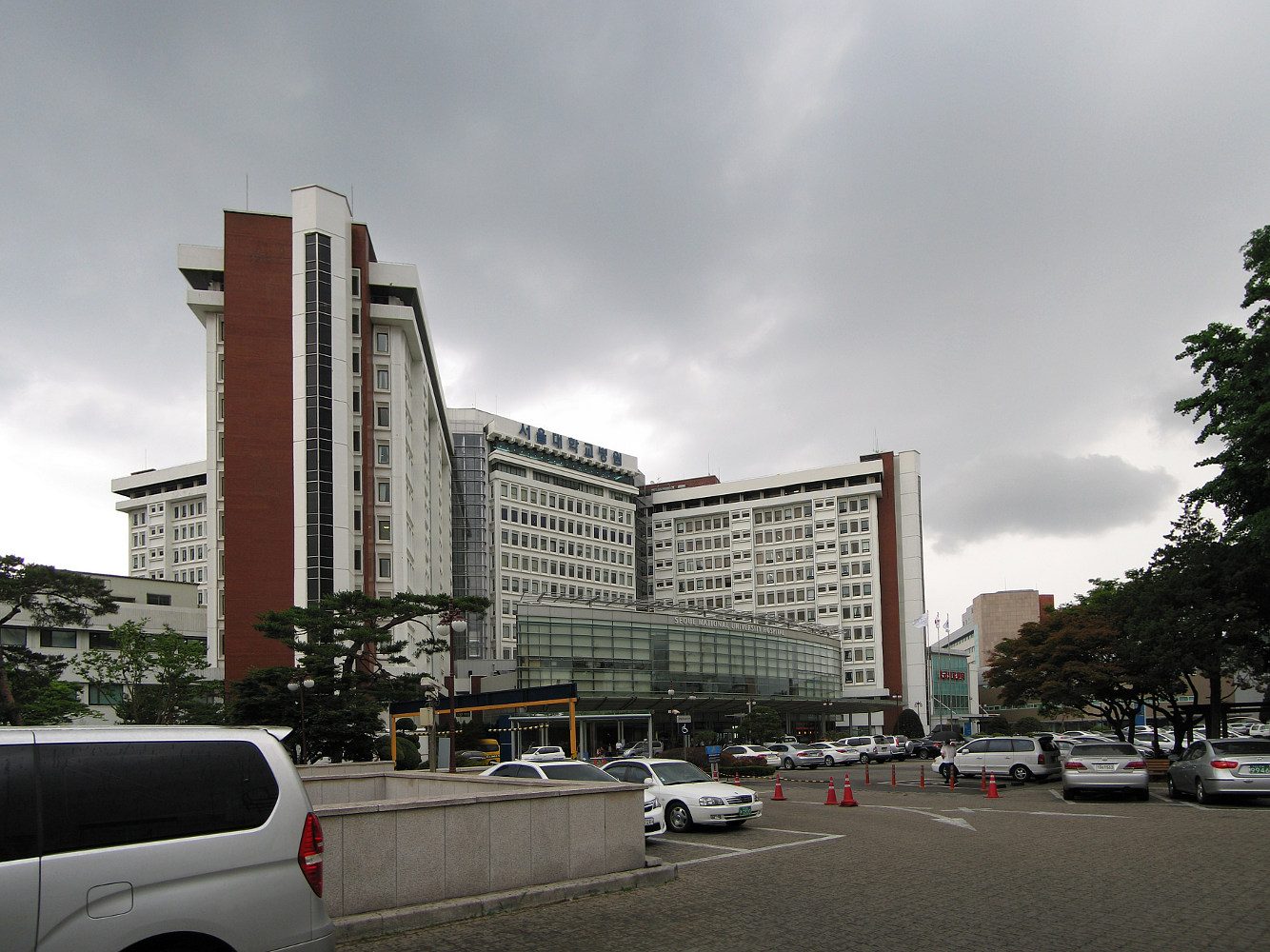
Several large hospitals in Seoul and other big cities have international healthcare centres with English-speaking staff and coordinators, which help with appointments and paperwork. They are more expensive than a local clinic, so they suit more serious problems.
In an emergency
If someone is badly hurt, has chest pain, trouble breathing or loses consciousness, call 119. For an injury where you can still walk, a taxi to a hospital emergency room (응급실, eunggeupsil) is often quicker; 119 or 1330 can tell you which hospital to go to.
Big hospital emergency rooms in Korea are for real emergencies. People with minor problems pay much more there than at a clinic and may wait a long time, so for a fever, a cold or a small cut, choose a clinic, a smaller hospital or a pharmacy instead.
Costs and insurance
Visitors are not covered by Korean national health insurance, so you pay the full price, usually by card at the end of the visit. A simple clinic visit plus medicine is usually affordable, but emergency-room care, scans and hospital stays can be expensive. Buy travel insurance that covers medical treatment before you leave home.
Before you leave the clinic or hospital, ask for an itemised receipt, a medical certificate (진단서) in English if possible and a copy of the prescription, as your insurer will want them.
FAQ
What is the emergency number in Korea?
119 for an ambulance or fire and 112 for the police. The 1330 travel hotline helps visitors in several languages around the clock.
Can I buy medicine without a prescription in Korea?
Yes. Pharmacies sell common over-the-counter medicines, and convenience stores sell a few basics such as paracetamol and cold medicine when pharmacies are closed.
Do foreigners pay for an ambulance in Korea?
Public 119 ambulances are free. Private hospital ambulances charge a fee, and you pay for treatment at the hospital.