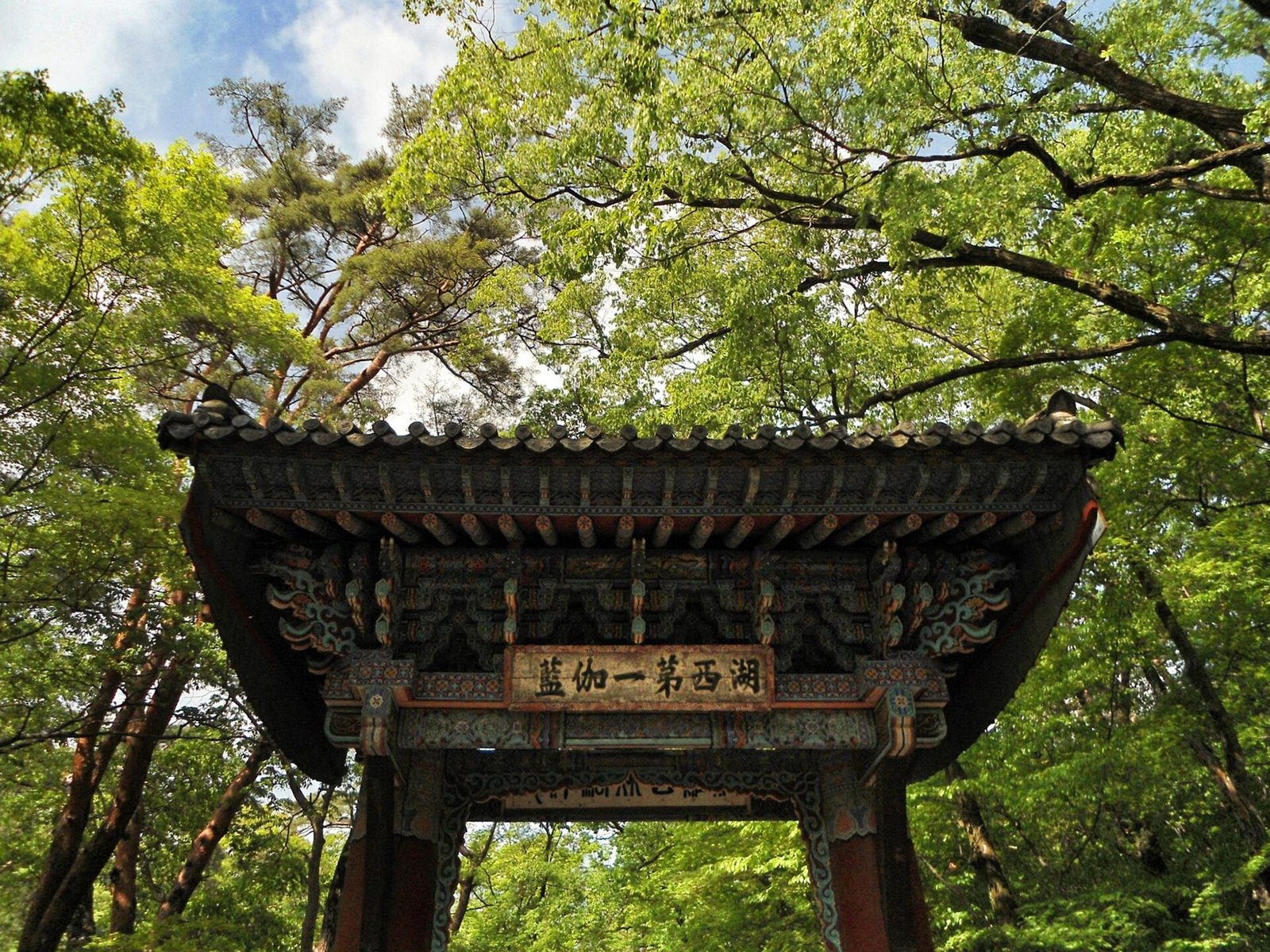
A temple stay is a chance to spend time at a Buddhist temple in Korea and experience parts of monastic life. You do not need to be Buddhist, know how to meditate, or follow a particular belief. Programs are designed for visitors, and many include explanations in English. The schedule, activities, and level of participation differ from temple to temple, so check the details before booking.
What happens during a temple stay?
Many programs begin with an introduction to the temple and its customs. A staff member or monk may show you the main buildings and explain how they are used. You may also receive a simple outfit to wear during the stay, but clothing arrangements vary. Follow the instructions you are given, especially when entering a prayer hall or other sacred space.
A typical overnight program may include a temple tour, a meal, meditation, a Buddhist service, and time for quiet reflection. Some stays include a tea conversation, a walk, or a hands-on activity. You might also be invited to try 108 bows, a sequence of full-body bows used as a Buddhist practice. This can be physically demanding; ask whether it is optional and take a break if you need one. Not every temple offers the same activities, and a short program may include only a selection.
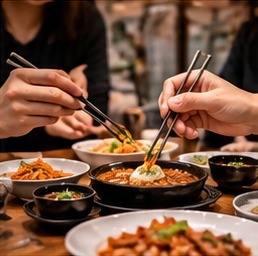
Temple meals are often plant-based and are eaten with care and attention. You may be asked to take only what you can finish and to keep conversation quiet. The meal itself is part of the experience, rather than simply a break in the schedule. If you have allergies or dietary needs, contact the temple before booking. Do not assume that every request can be accommodated.
On an overnight stay, you may sleep in a simple room, often on the floor, and share facilities or sleeping space with other visitors. Wake-up times can be early, and lights-out may be earlier than you are used to. Some schedules include an early morning service or meditation. Bring comfortable clothes, toiletries, and any personal medication you need. Check the program information for bedding, towels, room arrangements, and what to pack.
Program styles and levels of participation
Some programs are more structured, with set activities from arrival to departure. Others allow more free time for walking, resting, or sitting quietly. There are also day programs for visitors who want an introduction without staying overnight. The names used for program types can vary, so read the activity list and schedule rather than choosing by label alone.
Before you reserve, look for the program language, meeting point, length, accommodation details, and cancellation terms. Check how to reach the temple and whether transport from a nearby station is provided or arranged separately. Temples may be outside city centers, and the last part of the journey may take planning. If anything important is unclear, contact the temple or the booking service before you travel.
Who might enjoy a temple stay?
A temple stay can suit visitors who want a quieter, more reflective experience alongside sightseeing. It may appeal to people interested in Korean Buddhism, architecture, food, or daily customs, as well as travelers who simply want time away from busy streets. You can take part without treating the stay as a religious commitment. Listening respectfully and trying the activities at your own pace is enough.
It can also be a good choice for travelers who enjoy simple routines and are comfortable with shared spaces, limited privacy, and a schedule set by someone else. Families may find a program that works for them, but should check age guidance and activity requirements in advance. A long meditation session, early start, or floor sleeping may not suit every child or adult.
A temple stay may be less suitable if you need a highly flexible schedule, private hotel-style facilities, late nights, or a lot of personal space. It is also worth checking accessibility information directly if you have mobility needs or difficulty sitting on the floor. Temples are historic places, and the layout may include steps, uneven paths, or other physical challenges.
Etiquette and practical advice
- Arrive on time. The group may begin together, and late arrival can interrupt an activity. Plan extra time for the journey.
- Keep a calm presence. Speak quietly, silence your phone, and follow signs or staff instructions. Ask before taking photographs, especially during services or in areas where visitors are not permitted.
- Dress comfortably and modestly. Choose clothing that allows movement and covers your shoulders and legs. Follow any clothing guidance from the temple.
- Join with respect, not pressure. You can ask how to take part in a ritual, and you can explain politely if you cannot do an activity. Do not imitate a ceremony without understanding what is expected.
- Pack lightly. Bring layers, comfortable walking shoes, toiletries, and essential medication. Check what the temple supplies instead of assuming every item will be provided.
The best temple stay is one that matches your expectations. Read the schedule, prepare for basic accommodation, and arrive open to a slower pace. You do not have to understand every ritual to appreciate the setting. A little consideration for the temple community and fellow visitors will help make the experience comfortable for everyone.
Where to book, and which temples suit first-timers
Most temples that host visitors are listed on the official Templestay website run by the Cultural Corps of Korean Buddhism (eng.templestay.com). You can filter by region, programme type and date, see which temples offer English, and book and pay online. Booking a week or two ahead is usually enough, but weekends in spring and autumn fill up sooner. The Templestay information centre opposite Jogyesa in central Seoul can also help in person.
- In Seoul, for a short taste: Jogyesa, the head temple of the Jogye Order in Insadong, runs short programmes, and Bongeunsa, across from COEX in Gangnam, is known for its regular English-language programmes. Geumsunsa, in the hills of Bukhansan, and Myogaksa, near Dongmyo, are quieter options that still need only the subway or a short taxi ride.
- For the mountain experience: large temples such as Woljeongsa in Pyeongchang, Beopjusa in Songnisan, Haeinsa near Daegu and Naesosa in Byeonsan-bando offer overnight stays in forest settings, with a dawn service and walks in the hills.
- Something different: Golgulsa near Gyeongju teaches Seonmudo, a Buddhist martial art, as part of its stays.
Cost and how long to go for
A short programme of two or three hours costs much less than an overnight stay, and a one-night programme typically costs somewhere around ₩50,000 to ₩100,000 per person (2026), including meals and a simple room. The Jogye Order has run discounted temple stays for foreign visitors in recent years, so look for current offers on the Templestay site before you book. Most overnight programmes start in the early afternoon, around 2 or 3 pm, and finish after lunch the next day, so one night is the right length for most travellers.
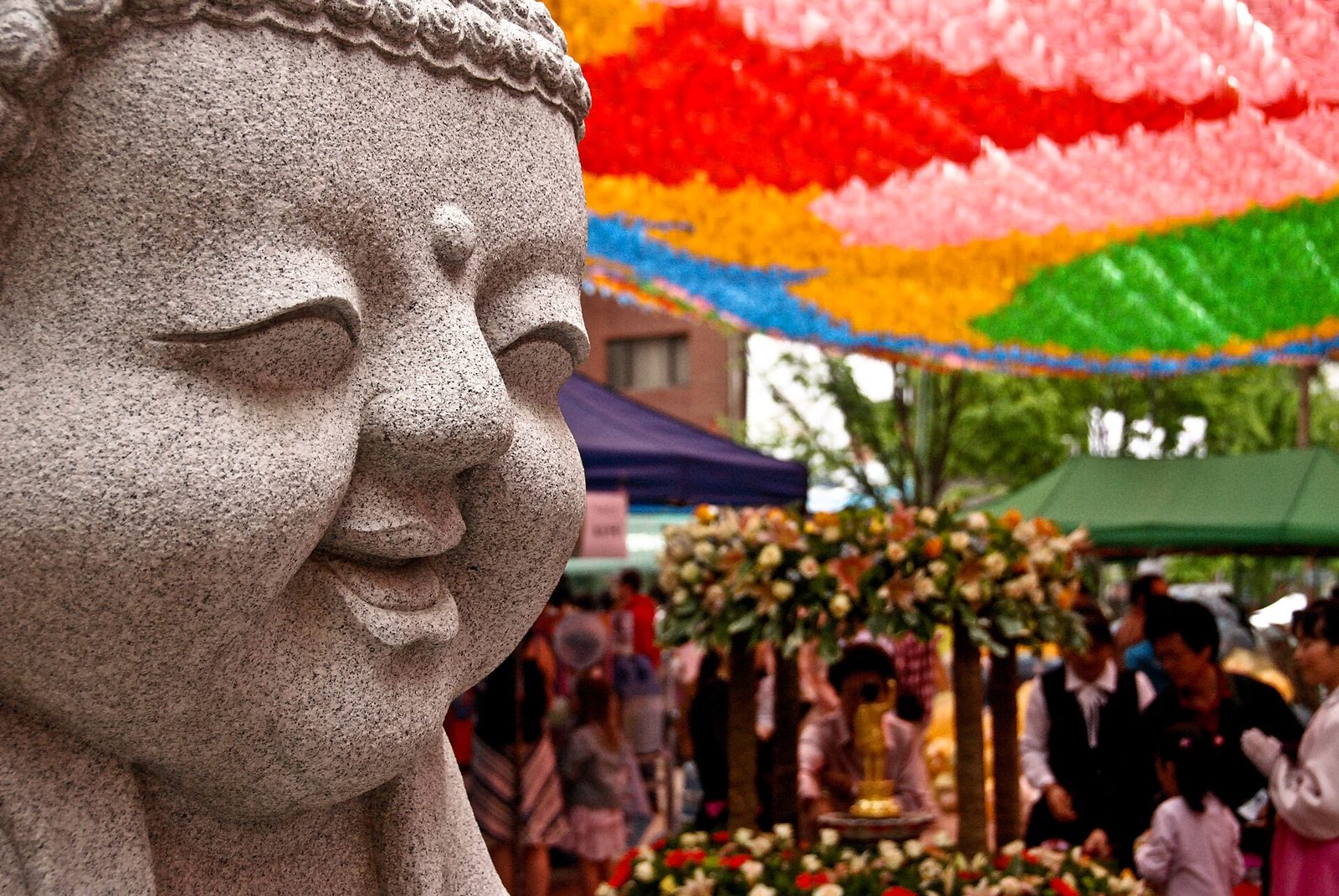
Spring, with its lanterns before Buddha's Birthday, and autumn, with the leaves turning in the mountains, are the loveliest seasons. Winter stays are quiet and cold; rooms have heated floors, but bring warm layers for the dawn service.
Frequently Asked Questions
What should I wear and bring to a temple stay?
Choose modest, comfortable clothing that is easy to move in, and bring layers because temperatures can vary. Pack personal toiletries, any needed medication, and comfortable shoes. Check the program information before you go, since the temple may provide some items and the activities or facilities can differ.
Do I need experience with meditation or Buddhism to take part?
Usually, no special experience is needed. Temple stays are designed to introduce visitors to aspects of temple life, and activities may include meditation, chanting, or quiet reflection. Follow the guidance given by the temple, and ask in advance if you are unsure whether a particular program suits you.
Can I ask about language support or dietary needs before booking?
Yes. Contact the temple or program organizer before booking to ask what language guidance is available and whether they can accommodate your dietary needs. Food arrangements and communication support can vary by program, so it is better to explain your requirements in advance rather than assume they can be met.