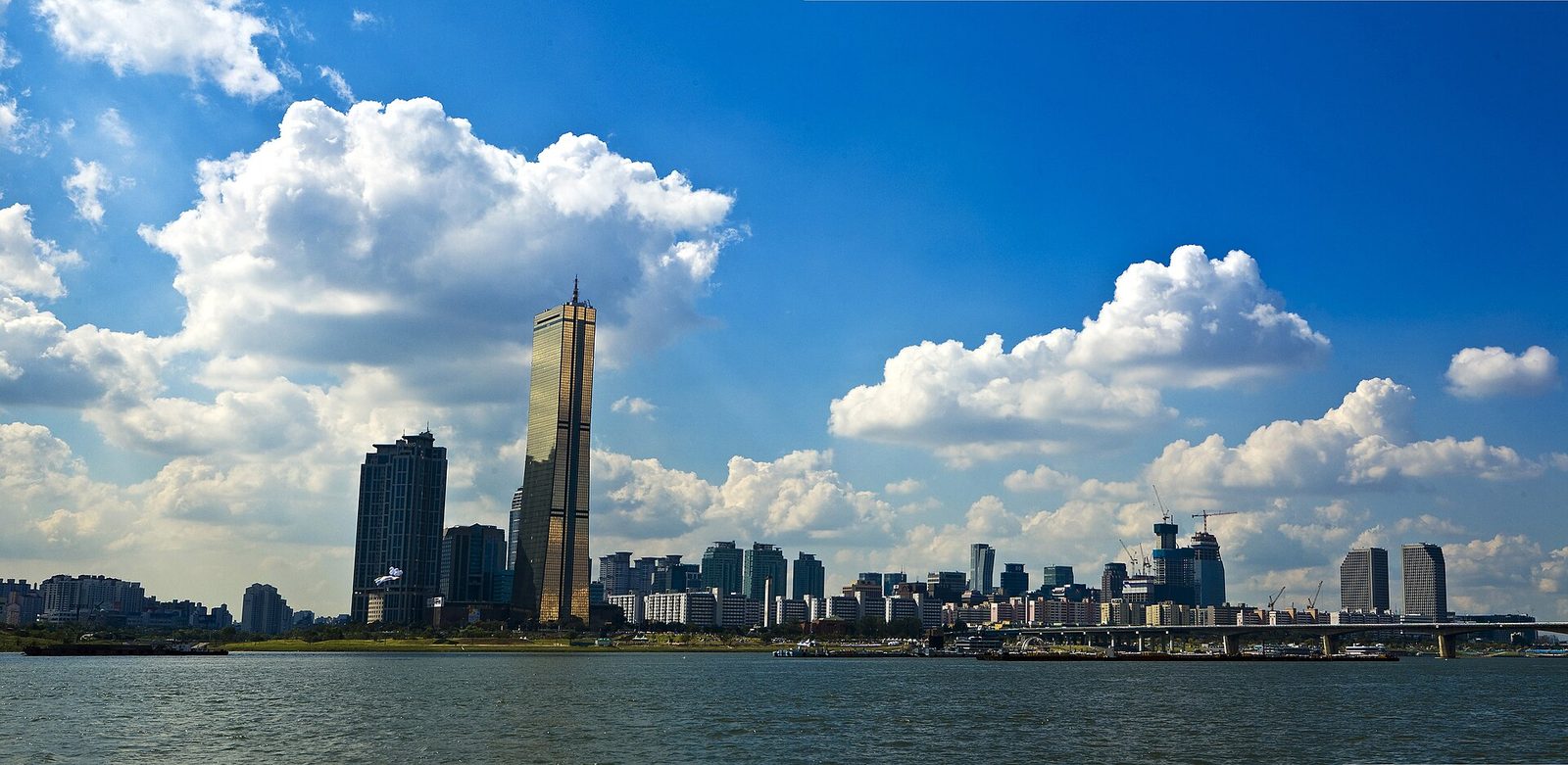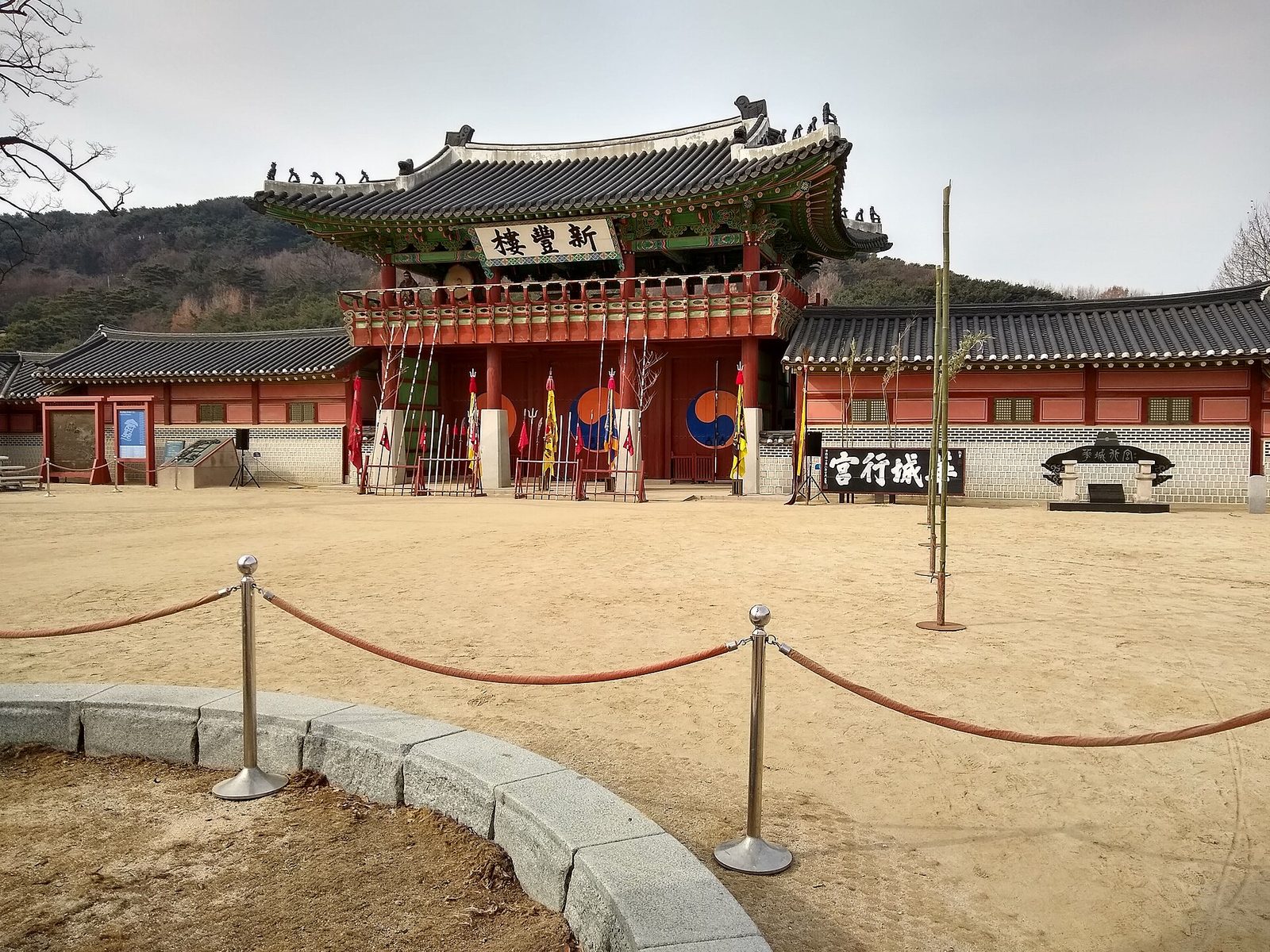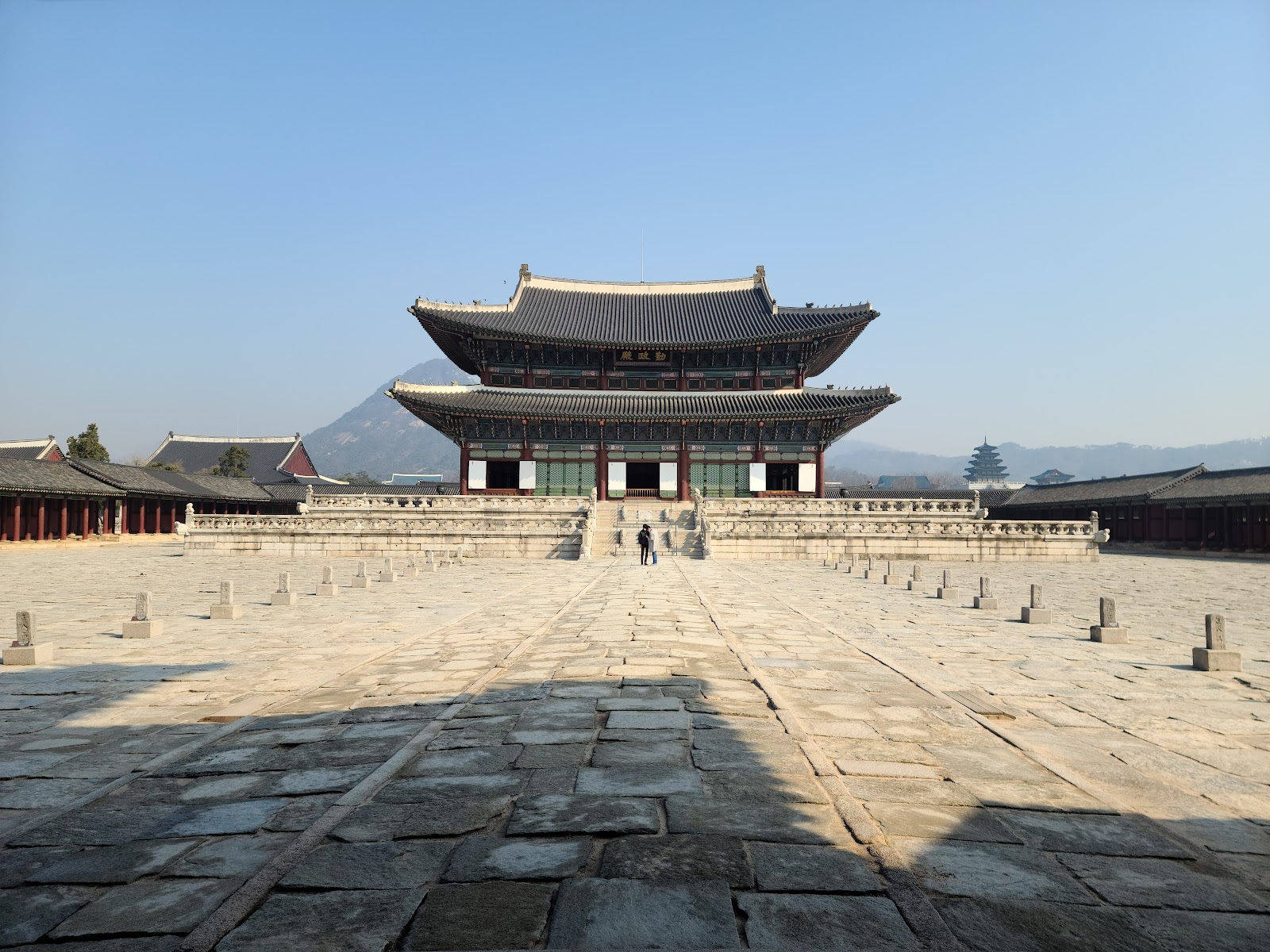
Seoul has plenty to keep children busy, from large parks and hands-on museums to indoor attractions for rainy days. The city is also busy and spread out, so it helps to choose one main area for each day rather than trying to see everything at once. These ideas can suit different ages, energy levels, and weather.
Enjoy a green day outdoors
Seoul Children’s Grand Park
This is a good choice when children want space to run around as well as things to see. The grounds include gardens and play areas, and the park has animal exhibits and amusement attractions. You can make a short visit or spend much of the day there, depending on what is open and what your family enjoys. The park is served by Children’s Grand Park Station on subway Line 7.
Bring comfortable shoes and snacks, and check the park’s official information before travelling if a particular attraction is important to your plans. It is a large site, so agree on a meeting point in case anyone gets separated. On warm days, plan breaks in shaded areas and carry water.
Seoul Forest
Seoul Forest is a relaxed option for a picnic, an easy walk, or a break from busy streets. Families can use the paths and open spaces at their own pace. It works especially well if children need time to move around between more structured sightseeing stops. Pack a picnic or pick up food nearby, and leave room in the schedule for unplanned play.
A Han River park
The parks along the Han River offer open views and room for children to run, cycle, or play. Conditions and facilities vary from park to park, so choose one that fits your route and check local information before you go. Bring a ball or other small outdoor toy if you have space. The river can feel exposed in strong sun or wind, so dress for the weather and plan a snack or indoor stop afterward.
Choose a museum children can enjoy
Seoul Children’s Museum
Located in Seoul Children’s Grand Park, the Seoul Children’s Museum offers interactive activities designed for young visitors. It can be a good change of pace from outdoor sightseeing, particularly for preschool and primary-school-age children. Check the museum’s current visitor information before your trip, including whether you need to reserve a visit. If you are combining it with the park, decide in advance how much time to spend indoors so the day does not feel rushed.
National Museum of Korea
The National Museum of Korea is a useful option for families who want a cultural stop with room to take breaks. Its Children’s Museum has exhibits created for younger visitors. Check the museum’s website for current access and reservation details before setting out. The main museum is large, so choose a few areas rather than expecting children to see everything. The museum is near Ichon Station, served by subway Line 4 and the Gyeongui-Jungang Line.
For any museum visit, bring a small snack for before or after, and check the rules on food inside. A short visit with one or two clear goals often works better than a long tour, especially with younger children.
Keep an indoor attraction in reserve
Lotte World
Lotte World combines indoor attractions with an outdoor section, making it a possible choice when the weather is uncertain. It has rides and entertainment for a range of ages, but the experience can be busy. Look at the attraction information in advance and decide which rides or areas matter most to your family. Check height or age guidance for individual rides rather than assuming every attraction suits every child.
COEX Aquarium
COEX Aquarium is another indoor option for a hot, cold, or rainy day. It can fit well into a day around the COEX area, where families can also find places to eat and take a break. Check current visitor information before going, and allow time for the journey through the large complex. If visiting with a stroller, follow signs and ask staff for directions to lifts when needed.
Make getting around easier
Seoul’s subway is useful for family travel, but stations can involve long corridors, stairs, and busy platforms. Use a map app to check routes and look for stations with lifts if you are travelling with a stroller. Naver Map and KakaoMap are commonly used in Korea; it is sensible to save important addresses and station names before leaving your accommodation. Google Maps may not provide the same level of route detail for local travel.
Carry a light stroller if your child still needs one, but be ready to fold it in crowded places. A child carrier can be easier on older station stairways or uneven paths. Keep a note of your hotel address in Korean, and agree on a simple plan for what to do if someone gets separated.
Plan around your family’s pace
For a smoother day, pair one main attraction with one nearby, low-pressure activity. For example, visit a museum and then spend time in a park, rather than crossing the city for several separate stops. Build in meal and rest breaks, and keep a backup indoor idea for bad weather. Before visiting, check official websites for current schedules, booking information, and any temporary closures. With a flexible plan, Seoul can be an enjoyable city for children as well as adults.
Frequently Asked Questions
How many activities should we plan for one day in Seoul with kids?
Keep the schedule flexible and choose one or two main activities rather than trying to see everything. Travel time, meals, and breaks can take longer with children. Leave room to rest or change plans if someone gets tired, and check each attraction’s current details before setting out.
Can we get around Seoul with a stroller?
A stroller can be useful, especially for younger children, but routes may involve stairs, crowds, or long walks. A lightweight, foldable stroller may be easier to manage. Before traveling, check whether your planned subway stations and attractions have step-free access, and consider a carrier as a backup.
What should we do if our children are tired or the weather changes?
Build indoor stops and downtime into your plans so you have alternatives if the weather turns or the children need a break. Choose activities near each other when possible, and avoid making every stop a must-do. Check current conditions and venue information before heading out.