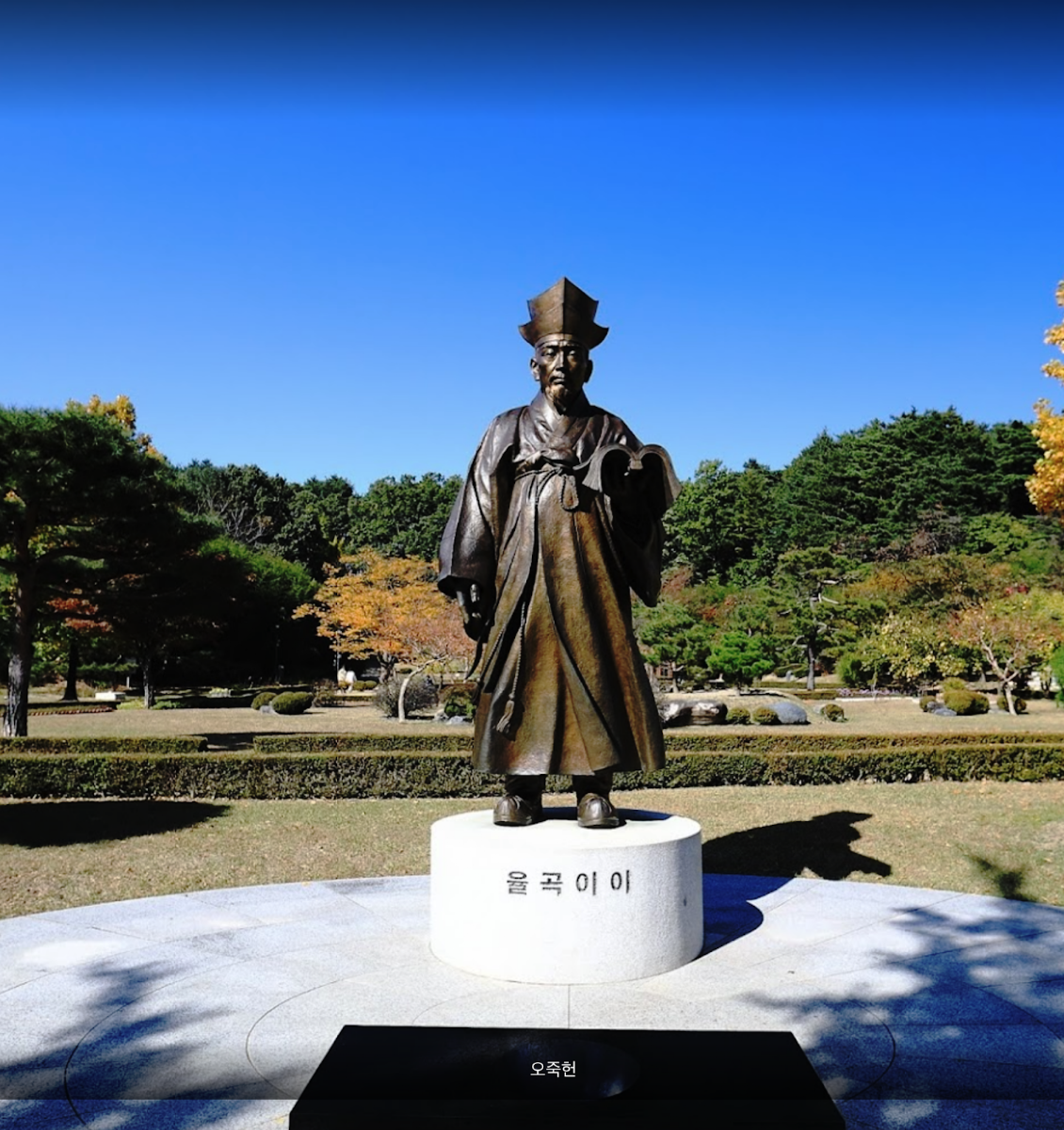
Ojukheon, Gangneung: A Thoughtful Visit to Korea’s Historic Home of Shin Saimdang and Yi I
At a glance
- What it is: A historic house and cultural site associated with artist Shin Saimdang and scholar Yi I.
- Address: 24 Yulgok-ro 3139beon-gil, Gangneung, Gangwon-do, South Korea.
- Why visit: See traditional architecture, a small grove of black bamboo, and places connected with two prominent figures in Korean history.
- Google listing: 4.4/5 from 10,768 reviews. Ratings and review counts can change.
- Before you go: Check the official website for current admission, opening information, and visitor notices.
Why Ojukheon matters
Ojukheon is more than a historic house. It is a place closely linked to Shin Saimdang, celebrated for her art and calligraphy, and her son Yi I, a leading Joseon-era scholar and statesman. Their names may already be familiar to visitors: Shin Saimdang appears on the 50,000-won banknote, while Yi I appears on the 5,000-won note.
The name Ojukheon refers to the black bamboo associated with the site. Look for the dark stems in the garden as you explore; they offer a quieter, visual connection to the place’s name and setting. The historic rooms and grounds give a sense of how a traditional Korean residence is arranged, while the exhibits help explain why the family’s story remains important in Korea.
For travelers, the appeal is its combination of architecture, landscape, and cultural context. You do not need to be an expert in Korean history to enjoy the visit, but a little background makes the buildings and memorial spaces more meaningful.
What to see during your visit
Begin with the historic house and take time to notice its wooden structure, tiled roof, and relationship to the surrounding courtyard. Rather than rushing from one building to another, pause to observe the details: the proportions of the rooms, the lines of the roof, and the way the residence sits within its grounds.
One notable room is Mongnyongsil, traditionally associated with Yi I’s birth. The site also includes Munseongsa, a shrine dedicated to him. These places are best understood as part of a broader memorial and heritage complex, rather than as isolated photo stops. Follow the visitor route and read the signs where available; interpretation may vary by area and language.
Allow time for the museum displays as well as the outdoor spaces. Exhibits can add useful context to the people and objects connected with Ojukheon, while the garden offers a change of pace after looking at indoor displays. If you are visiting with children, the mix of open grounds and historic rooms can make the site easier to explore than a museum made up entirely of galleries.
How to make the most of the visit
Plan your visit around your interests. If you enjoy architecture, look closely at the house and its layout. If you are more interested in Korean history, give extra time to the interpretive displays and memorial areas. A visit of around one to two hours is a reasonable planning estimate, but your pace and the exhibitions available on the day will affect how long you stay.
Ojukheon can work well as part of a wider Gangneung itinerary, especially for travelers who want a cultural stop alongside the city’s coastal scenery and cafés. Check the map before setting out and use the official site for the latest visitor information. Do not assume that fees, hours, or services are unchanged from an older guide or blog post.
Good to know
- Address: 24 Yulgok-ro 3139beon-gil, Gangneung, Gangwon-do. Enter the address into your preferred map app before travel.
- Admission and opening information: These details can change. Confirm current information on Ojukheon’s official website before you go.
- What to wear: Comfortable shoes are useful for walking around the grounds. Be mindful that this is a heritage site with memorial spaces.
- Photography: Follow any signs or staff guidance about photography, especially inside exhibition areas and near memorial displays.
- Language: If you do not read Korean, consider looking up Shin Saimdang and Yi I before arriving so the exhibits have more context.
- Review information: The Google listing provided for this guide shows 4.4/5 from 10,768 reviews. Treat this as a snapshot, not a guarantee of your own experience.
Is Ojukheon worth visiting?
Ojukheon is a strong choice for visitors who want to understand a little more about Gangneung beyond its beaches and food scene. Its historical significance is the main draw, but the traditional house, bamboo, and garden setting make the visit appealing even if you are new to Korean history. Go with time to read, look closely, and move at an unhurried pace, and the site becomes more than a quick stop for photographs.
FAQ
Who are Shin Saimdang and Yi I?
Shin Saimdang was a respected artist and calligrapher, and Yi I was her son, a prominent Joseon-era scholar and statesman. Ojukheon is associated with both.
How long should I allow for Ojukheon?
About one to two hours is a useful planning estimate. Your visit may be shorter or longer depending on how much time you spend with the exhibits and grounds.
Where can I check current opening and admission details?
Check Ojukheon’s official website before traveling, as visitor information can change.