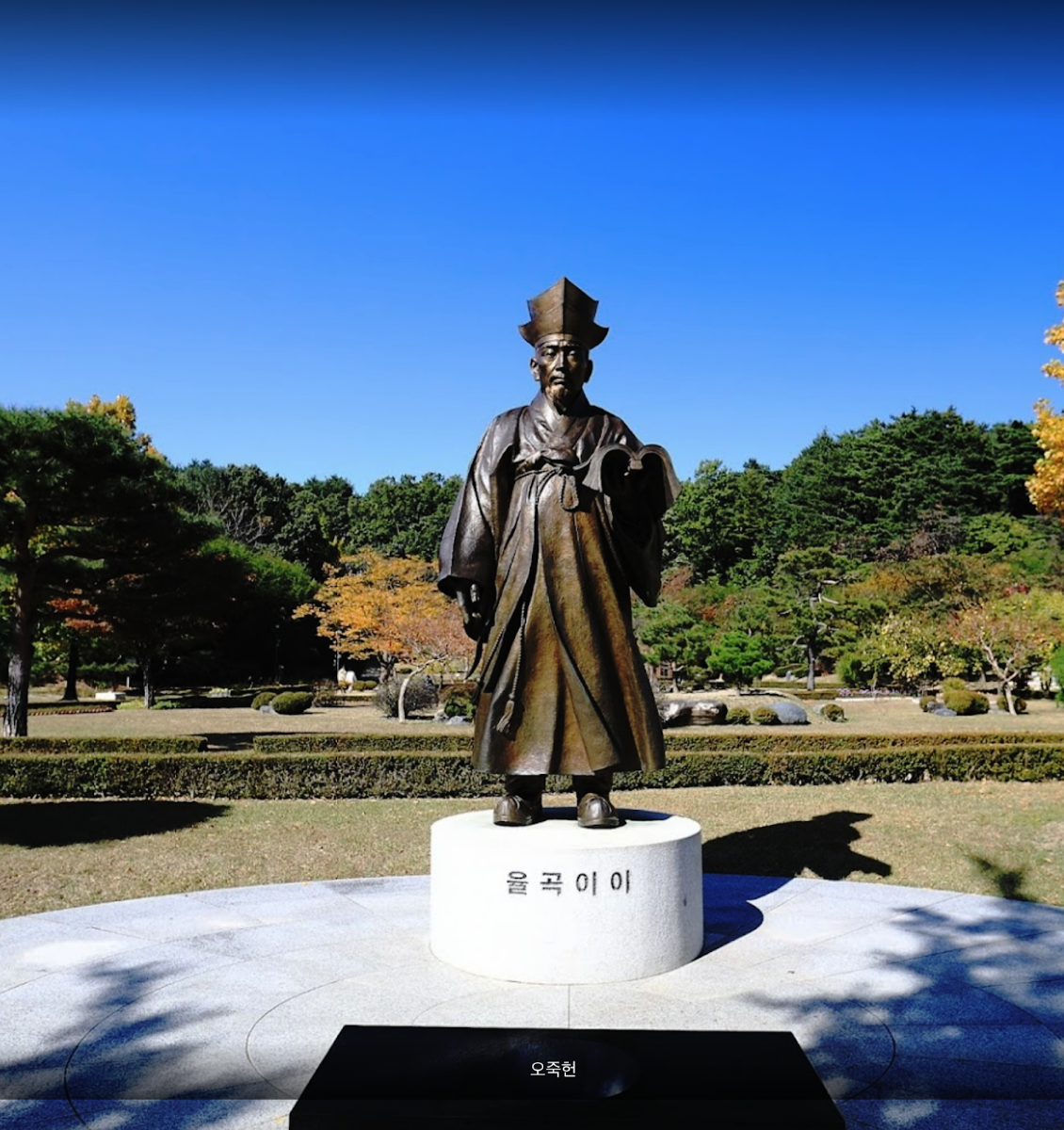
Ojukheon, Gangneung: A Thoughtful Visit to the Home of Shin Saimdang and Yi I
In brief: Ojukheon is a historic house and cultural site associated with Shin Saimdang, a celebrated artist and writer, and her son Yi I, one of Korea’s best-known Confucian scholars. Its traditional buildings, black bamboo and museum displays make it a rewarding stop for visitors interested in Korean history and culture.
Location: 24 Yulgok-ro 3139beon-gil, Gangneung, Gangwon-do, South Korea
Google rating: 4.4/5 from 10,768 reviews at the time of checking.
Why visit Ojukheon?
Ojukheon offers a personal way into Korea’s history. Rather than encountering Shin Saimdang and Yi I only as names in a textbook, visitors can explore a historic residence connected with their family story. Shin Saimdang is remembered for her work as an artist and writer; Yi I, also known by the pen name Yulgok, became a prominent scholar and thinker during the Joseon period.
The name Ojukheon refers to the black bamboo associated with the grounds: “ojuk” means black bamboo, while “heon” is used in the name of a house or hall. The bamboo gives the site a distinctive atmosphere and provides a natural counterpoint to the wood, stone and tiled roofs of the traditional architecture. Even a short walk through the grounds can feel like a welcome change of pace from the busier parts of the city.
For international visitors, the site is especially useful as an introduction to the way Korean cultural history connects family, learning, art and public memory. You do not need specialist knowledge to enjoy the setting, but a little context makes the buildings and memorial spaces more meaningful.
What to see on the grounds
Take time to look closely at the traditional house and its surrounding courtyards. Notice the proportions of the buildings, the tiled rooflines and how the structures sit within the garden. The black bamboo is part of the site’s identity, but the broader experience is also about the relationship between a historic home and the people whose lives are remembered there.
Ojukheon is more than a single building. The wider cultural complex includes museum and memorial spaces that help explain the people and history connected with the house. Use the displays to put what you see outdoors into context, and allow time to pause at the memorial areas rather than treating the visit as a quick photo stop. The official site is the best place to check which facilities and exhibitions are available on your visit.
If you are visiting with children or someone who prefers a slower pace, the combination of indoor displays and outdoor grounds can make the stop easier to vary. Allow extra time if you like reading exhibition text or photographing architectural details. If you have limited time, focus first on the historic house and the areas that explain Shin Saimdang and Yi I.
How to make the most of your visit
Start with a map or a quick look at the official website so you can orient yourself before entering. At the site, follow the visitor route and read the introductory information before exploring the buildings. This gives you a clearer sense of why the residence matters and helps you distinguish the historic house from later interpretive or memorial spaces.
English interpretation may vary by display, so consider reading a short introduction to Shin Saimdang and Yi I beforehand if you want a deeper historical visit. Keep your expectations focused on cultural heritage rather than a large, immersive museum experience: Ojukheon’s appeal lies in seeing the setting and understanding its associations.
Be considerate around the historic structures and memorial spaces. Follow posted guidance, avoid touching delicate surfaces, and keep voices low where visitors are paying their respects. Photography rules can differ between outdoor areas and indoor displays, so check signs before taking pictures.
Good to know
- Address: 24 Yulgok-ro 3139beon-gil, Gangneung, Gangwon-do. Open the Google Maps link below to confirm the location and plan your route.
- Hours and admission: These can change. Check the official website before travelling rather than relying on older listings or visitor posts.
- What to wear: Comfortable walking shoes are useful for moving between buildings and around the grounds. Conditions outdoors can vary with the weather.
- How long to allow: Your visit will depend on how much time you spend in the displays and on the grounds. Leave a little flexibility if you enjoy reading exhibit information.
- Language: English information may not be available for every detail. A translation app can help with signs and background information.
- Accessibility and facilities: Check with the official site for current details if you have specific mobility or visitor-service needs.
Useful links
FAQ
Who are Shin Saimdang and Yi I?
Shin Saimdang was a respected artist and writer, and Yi I—also known as Yulgok—was her son and a prominent Joseon-era scholar. Ojukheon is closely associated with both.
Is Ojukheon worth visiting if I know little about Korean history?
Yes. The traditional house, gardens and museum spaces offer an approachable introduction. Reading a little about the two figures beforehand can add context, but it is not essential.
Should I check details before going?
Yes. Confirm current opening information, admission details, facilities and any visitor notices on the official website before setting out.